
Why Most Outdoor Heaters Die Early (And How We Fix It)
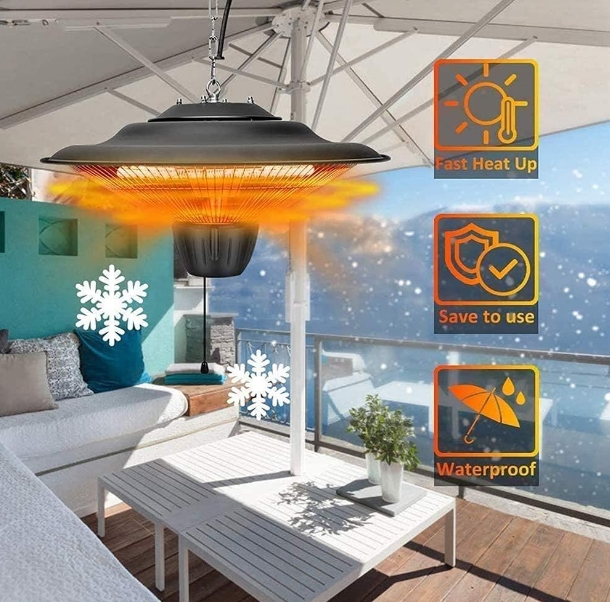
If you’ve ever owned an outdoor heater, you know the drill. You buy one, it works great for a few months, and then—boom. A little rain or some heavy morning mist gets inside, and suddenly the thing is a giant paperweight. It usually comes down to two things: water getting where it shouldn’t and condensation fogging up the works. Keeping the rain out Let’s be honest: water and high-voltage electricity are a terrible match. We don’t just slap a plastic cover on our units and call it a day. We use actual gaskets and sealed connection points to keep the rain and wind-driven mist out of the electrical guts. There’s another hidden danger, too. If a cold raindrop hits a scorching hot quartz tube, that glass can crack in a heartbeat. That’s why we designed the housing to shepherd water away from the emitter. It keeps the glass safe and your toes warm. The battle against the fog Ever notice how your glasses fog up when you walk inside on a cold day? The same thing happens to heaters. When a heater cycles off in humid air, a layer of fog can build up on the lens or reflector. It doesn’t seem like a big deal, but that fog blocks the heat. Your heater has to work twice as hard to get the area warm, which just wears the whole system out faster. To stop this, we use specific coatings and airflow paths that keep the optics crystal clear. You get a steady, consistent heat without the unit struggling. The honest trade-off Here is the catch. All these seals and protective layers make the unit a bit bigger. It’s not a sleek, tiny indoor lamp. It’s a rugged piece of gear that can take a beating in a storm. Because of that extra armor, it’s a bit heavier. Just make sure your mounting brackets are sturdy enough to handle the weight. It’s a small price to pay. We’d rather build something a little bulkier that lasts for years than something pretty that you have to replace every single season.