
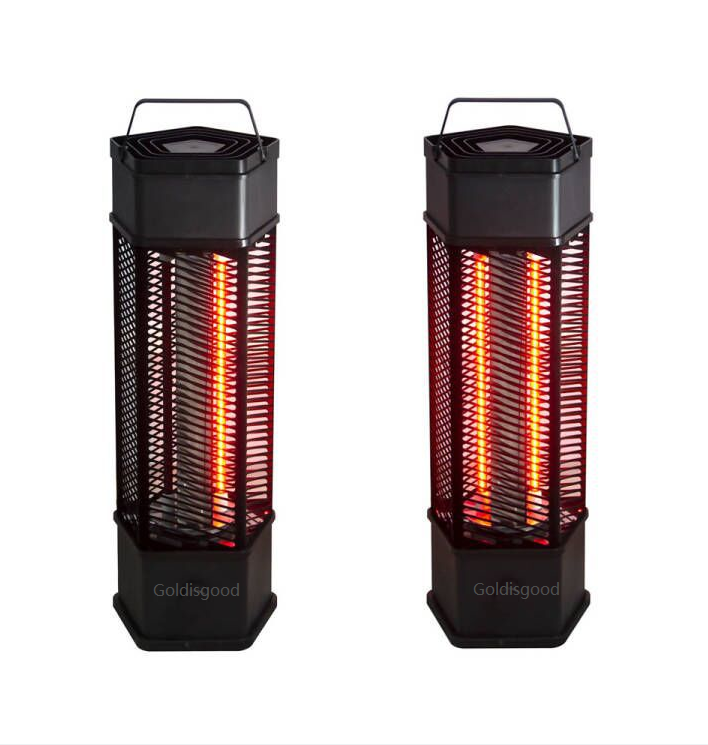
Making Infrared Heaters Actually Safe (and Comfortable)
If you’re putting a heater in a bathroom or under a pergola, a waterproof seal is the easy part. The real trick is making sure you aren’t blinding your guests—or worse, straining the eyes of a baby or a toddler. Most standard short-wave lamps are just too harsh. They’ve got this aggressive glare and UV components that feel more like an industrial warehouse than a cozy home. Dealing with the glare We handle this by shifting the light. Instead of just letting the raw radiation fly, we use special quartz coatings and filtered filaments. This knocks out the blue light and the UV stuff. The result? A “soft” glow. You still get that deep, penetrating warmth on your skin, but your eyes don’t feel like they’re staring into a welding torch. Now, there’s a catch. Because we’re filtering the light, it doesn’t heat up quite as instantly as those industrial-strength lamps. But honestly? That’s a trade-off I’ll take every time to make sure a home is safe. Water, steam, and the tough stuff Bathrooms and outdoor patios are brutal on electronics. To keep moisture out, we stick to strict IP ratings. We use high-grade quartz glass for the elements because it doesn’t crack when the temperature swings wildly, and it won’t degrade when it’s hit with constant steam. For the seals, we use silicone. It’s flexible, so it can expand and shrink as the heater warms up and cools down without letting a single drop of water inside. A quick warning on the wiring Here is where people usually mess up: the power draw. These lamps pull a lot of juice. If you’re wiring a few of these into one line across a pergola, double-check your amperage. If the voltage drops, you’ll notice it immediately—the heat dips and the light actually changes color. Also, make sure your controllers can handle that initial “inrush” of current. If they can’t, you’re just going to burn through your lamps way faster than you should.