
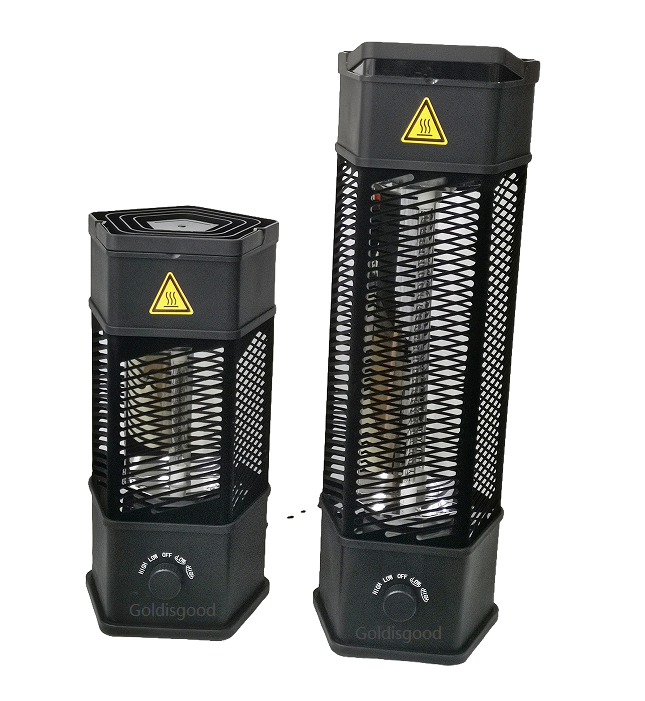
Making Your Outdoor Heaters Actually Smart
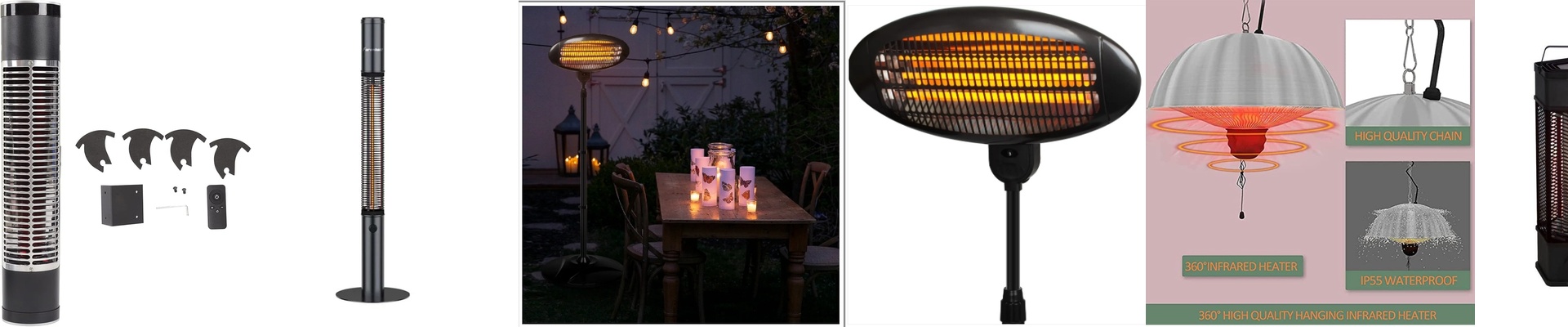
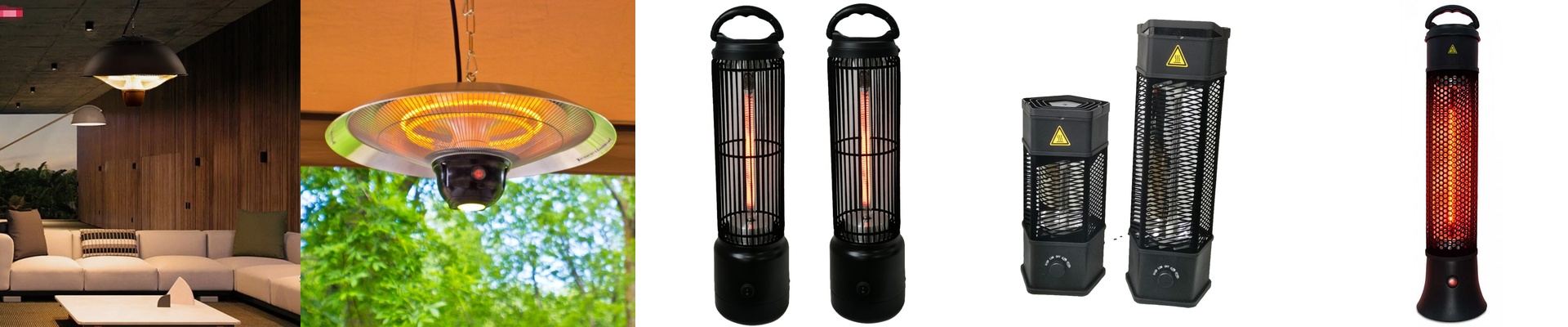
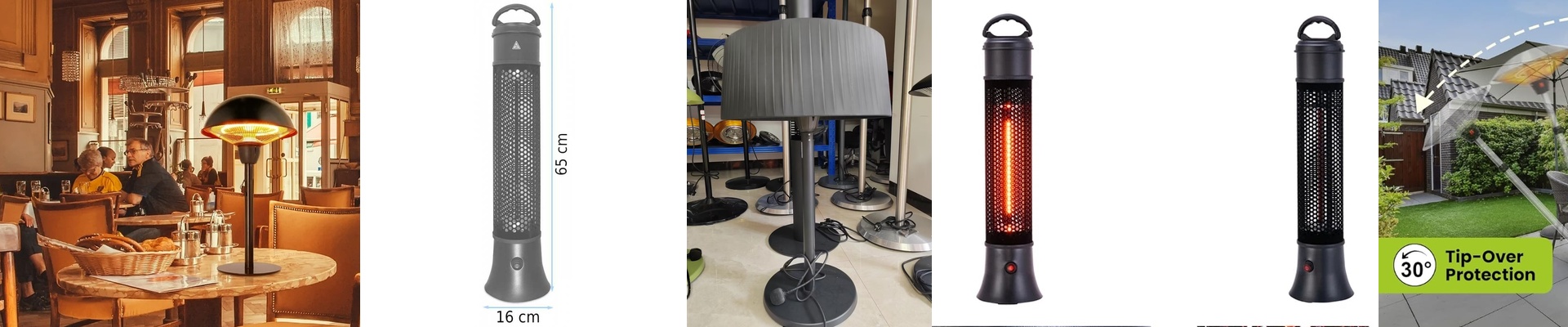
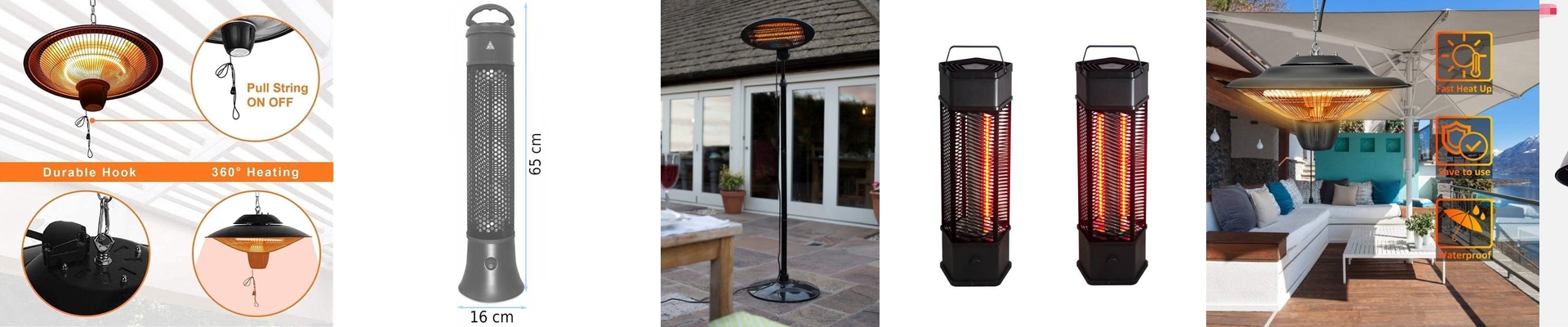
Ever notice how outdoor heaters work? They don’t bother warming up the air—which is pointless the second a breeze hits—they just beam heat straight at you. It’s that instant, cozy feeling. But let’s be honest: walking across a cold patio just to flip a manual switch is a pain. That’s why we hook these things up to smart home systems. We basically put a heavy-duty smart relay between the power and the heater. It handles the heavy lifting of all that electricity, so you can just tap your phone or shout at a voice assistant to get warm.
The Tech Side of Things
Most of these heaters use quartz or carbon fiber. They’re power-hungry. To make them “smart,” we use protocols like Zigbee or Matter to tell a high-current relay to close the circuit. It’s simple. One command, the relay clicks, and you’ve got heat in seconds. No more shivering while you hunt for the switch.
Keeping the Rain Out
The outdoors is brutal on electronics. If water gets into your circuitry, everything fries. We make sure everything is rated IPX4 or IP65—which is just a fancy way of saying it can handle the rain and splashes. We use shielded wiring and industrial gaskets to seal every gap. If those seals leak, your smart controller becomes a very expensive paperweight.
A Word of Warning on Power
Here is the tricky part: power. These infrared lamps pull a massive amount of current. If you try to cram too many heaters onto one smart circuit, you’re going to trip your breaker or, worse, melt your relay. You have to be careful. Balance how many heaters you have in one area against what your smart switch can actually handle.
Making it Feel Natural
The real magic happens when you stop thinking about the heater entirely. We can link the system to a temperature sensor or a local weather feed. Now, the heaters just… turn on. They kick in the moment the air drops, before you even realize you’re getting chilly. It stops being a piece of hardware you have to manage and just becomes a part of the house that looks after you.