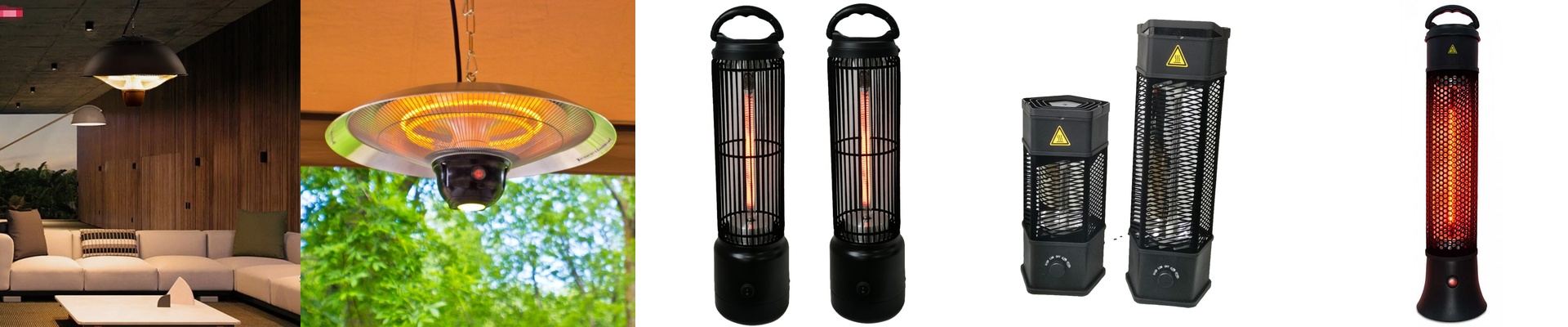


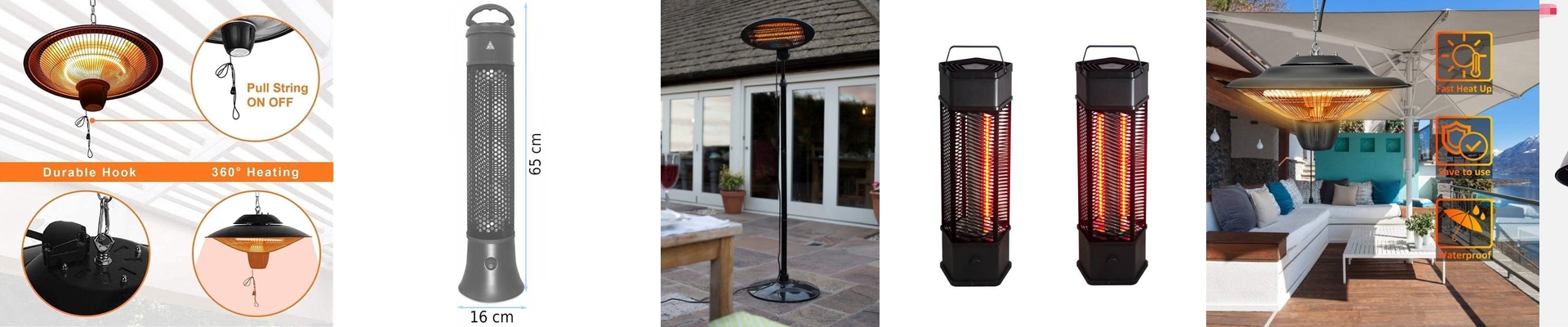
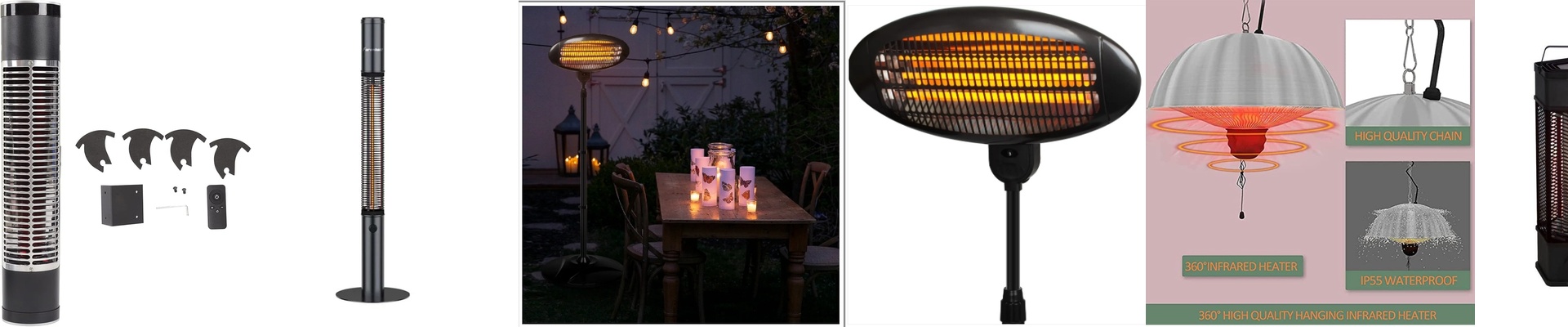
How to actually size your bathroom infrared heaters
When it comes to picking a bathroom heater, the temptation is to just go for the biggest wattage you can find. But honestly? That’s usually a mistake. You don’t need a powerhouse; you just need the right amount of heat for the size of your room and how much steam you’re dealing with. And please, make sure you’re using IP65-rated gear. Bathrooms are brutal on electronics. Between the steam and the occasional splash, a standard heater will short out faster than you can say “electrical fire.”
Finding the right power for your space
The size of your room changes everything. If you’ve got a tiny powder room (under 4m²), a 250W to 400W lamp is plenty. If you slap a 1000W unit in there, you’re just wasting electricity and risking a ceiling that gets way too hot. For those medium-sized bathrooms (5-9m²), look at 600W to 800W. That’s the sweet spot for keeping things cozy. If you’re dealing with a massive master bath (10m² or more), don’t try to do it with one giant heater. You’ll end up with one scorching spot and three freezing corners. Your best bet is a few 800W+ units spread across the ceiling. We use shortwave infrared for this. It’s great because it doesn’t bother heating up all the air in the room—it just warms you and the surfaces you’re touching. You feel the heat the second you flip the switch. No waiting around shivering.
The deal with IP65 and the trade-offs
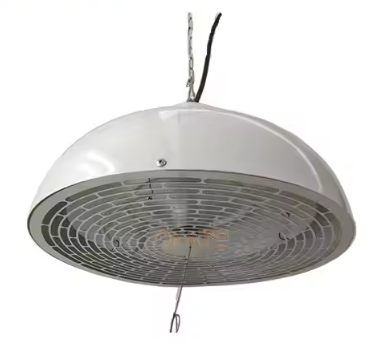
An IP65 rating basically means the unit is sealed tight against dust and water jets. We use silicone gaskets and sealed cable entries to make that happen. Don’t cut corners on the seal. If a bit of moisture hits that hot quartz tube, the glass can crack from the thermal shock. It’s a mess you really don’t want to clean up. One thing to watch out for: higher wattage means more heat. If you’re squeezing a 1200W lamp into a tight recessed ceiling, make sure there’s actual room for the heat to escape. If the housing can’t breathe, you’ll keep tripping the thermal cutoff, or worse, you’ll start damaging your ceiling materials.
A few tips for installation
Put these on their own dedicated circuit. It’s just safer. If you want to save some money on your power bill, hook them up to a motion sensor or a timer. There’s no point in burning out your lamps when the room is empty. Also, use high-temp wiring. You don’t want the insulation melting near the lamp head. It’s a small detail, but it’s the kind of thing that keeps you from having to redo the whole job in six months.