
More Than Just a Warm Bathroom
Most people think bathroom heat lamps are just there to keep you from shivering when you step out of the shower. But we looked at them differently. We wanted to solve a bigger headache: mold. Here’s the thing. Mold loves damp grout and wet tiles. If you can keep those surfaces dry, the mold simply has nowhere to live.
How it actually works
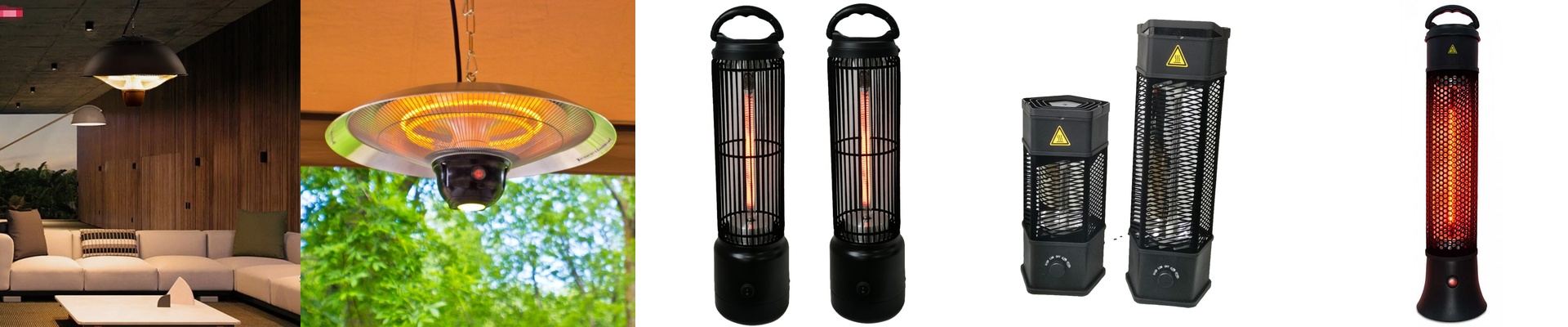
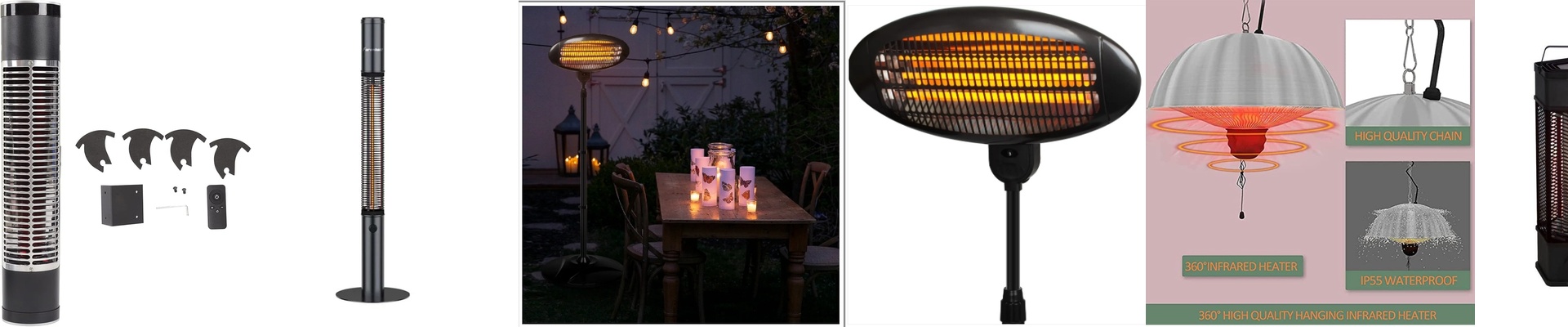
We use something called short-wave infrared. Now, don’t let the science-speak bore you. The simple version is this: most heaters just warm up the air. This stuff is different. It goes straight through the air and hits the wet tiles and grout directly. It basically shakes the water molecules until they evaporate. Instead of waiting hours for your bathroom to air-dry, the heat does the heavy lifting for you. It’s a practical way to stop a biological mess before it even starts.
The guts of the lamp
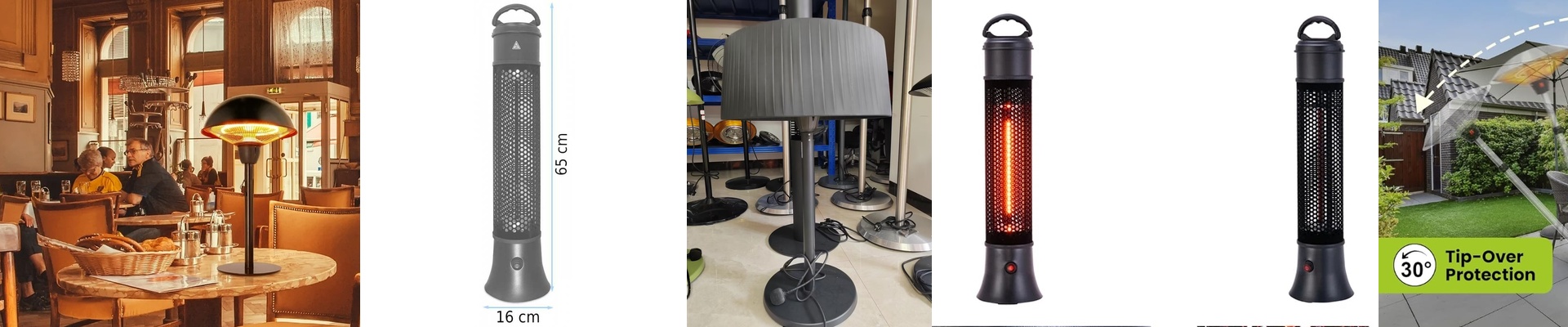
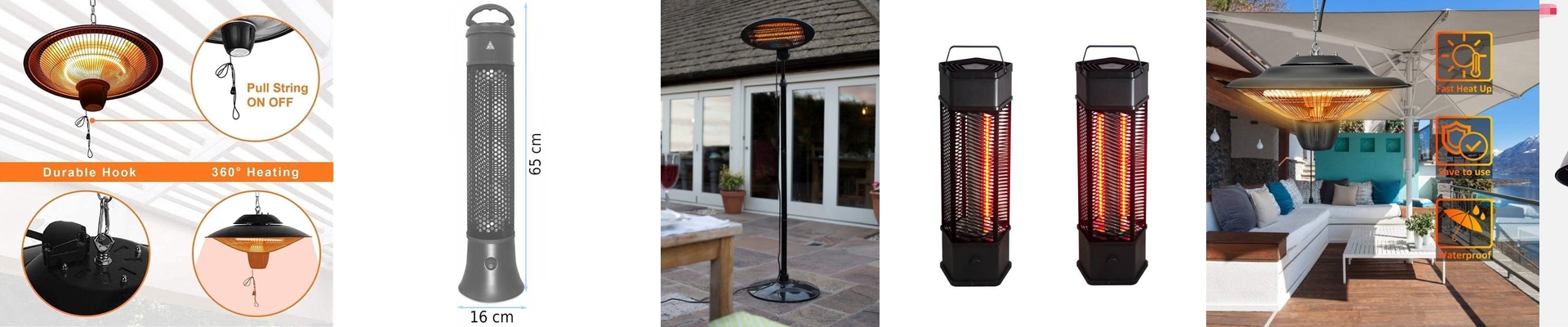
To make this happen, we use high-purity quartz glass. Why? Because it lets the heat pass through without soaking it up. If we used cheap glass, the fixture would probably melt. Depending on how big your space is, these usually run between 250W and 600W. If you want that steam gone the second you turn the light off, go for the higher wattage. It just pushes more heat, which means faster drying.
A few warnings on installation
You can’t just toss these into any old ceiling and call it a day. These lamps gethot. Like, really hot. Make sure your housing is actually rated for that kind of heat, or you’re going to end up with scorched ceiling panels. Also, a pro tip: use R7s connectors. If the fit is loose, the connection will arc, and you’ll burn out the socket in no time. It’s a great setup. You get that cozy feeling the moment you walk in, and your walls stay dry. Just keep your exhaust fan running so that all that evaporated moisture actually leaves the room.