
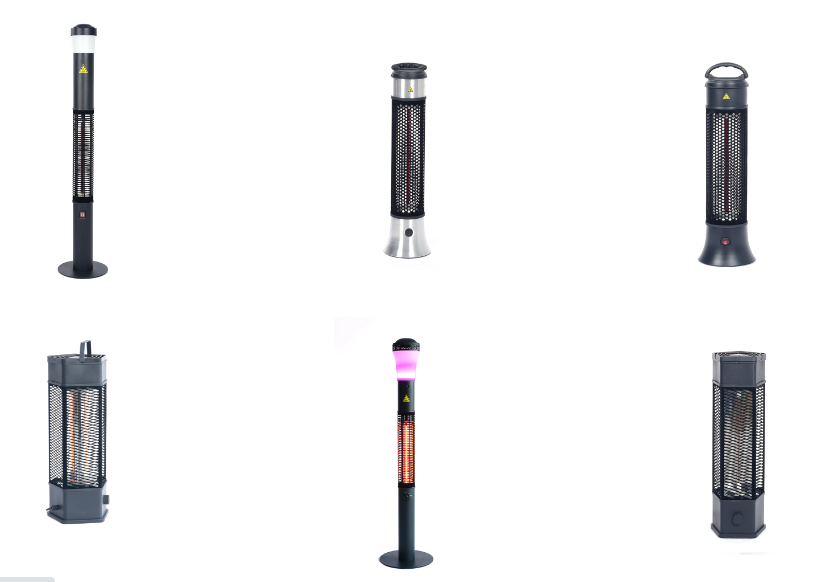
Keeping Infrared Heaters Safe in the Bathroom
Putting infrared lamps in a bathroom is a bit of a gamble if you aren’t careful. You’ve got steam everywhere and water splashing just about every surface. A standard housing just won’t cut it here. If you want to make sure everything is actually insulated, you have to look closely at where the lamp terminals meet the power supply. That’s where things usually go wrong. Dealing with damp air Here’s the thing: moisture makes air a lot more conductive. That’s a recipe for arcing. To stop that from happening, we use heaters with more space between the electrical parts. We also seal those terminal connections with high-temp silicone or epoxy resins. Think of it as a waterproof shield. It stops water vapor from jumping the gap between the live wire and the chassis. If you just leave the terminals open, the humidity will eventually find a way in and trip your power. It’s only a matter of time. The right gear for the job We stick with quartz glass tubes, but the real secret is in the end-cap. We use fluoropolymer seals because they can handle the lamp heating up and cooling down without cracking. As for the housing, you want an IPX4 or IPX5 rating at the very least. It basically means the unit can take a spray of water and keep the internal wiring bone-dry. And please, use a GFCI breaker. No exceptions. It’s the only way to sleep soundly knowing the system is safe. The heat struggle There is a catch, though. When you add thick casings or heavy potting to keep water out, you’re also trapping heat. If the lamp base gets too hot, your wiring can actually start to cook. You have to find a middle ground. Make sure your mounting bracket lets the air flow. You want the seal tight enough to block the water, but not so tight that the unit chokes on its own heat. It’s all about that balance.