
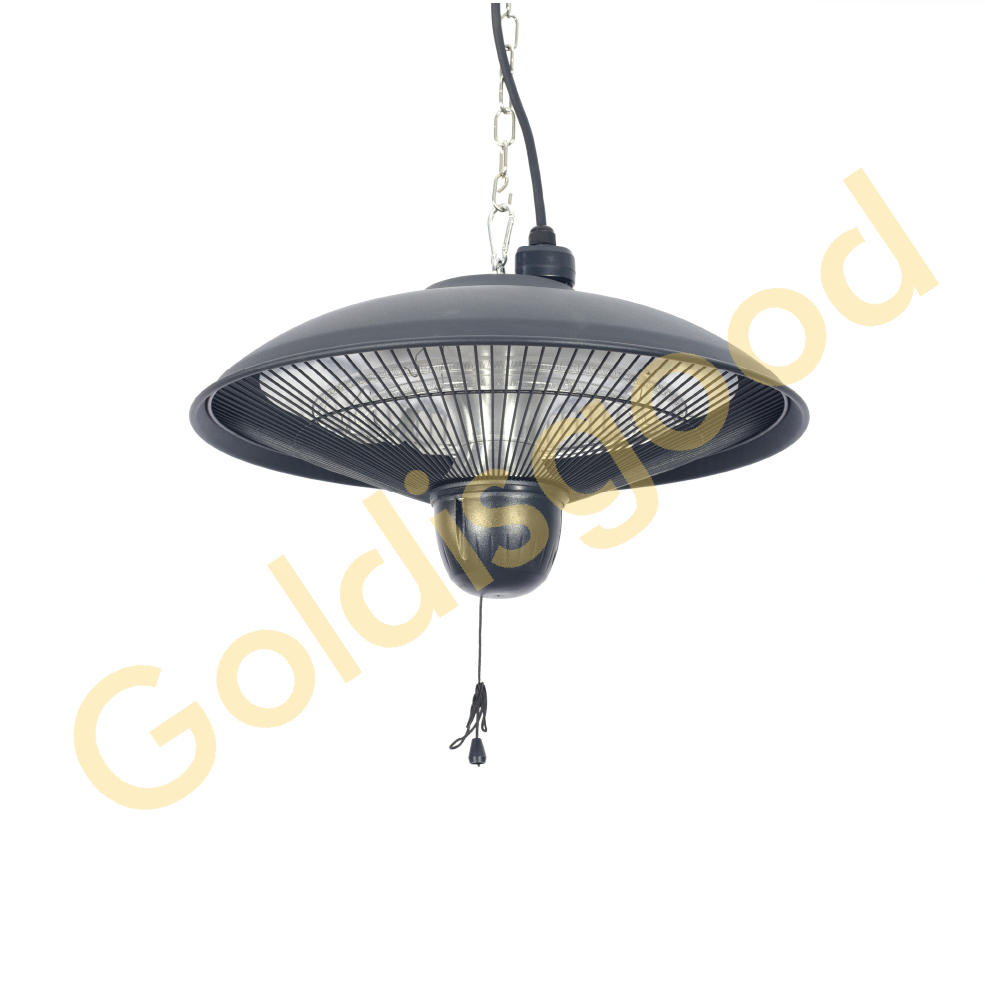
Why you should swap those old bathroom lamp heaters for IP66 Infrared
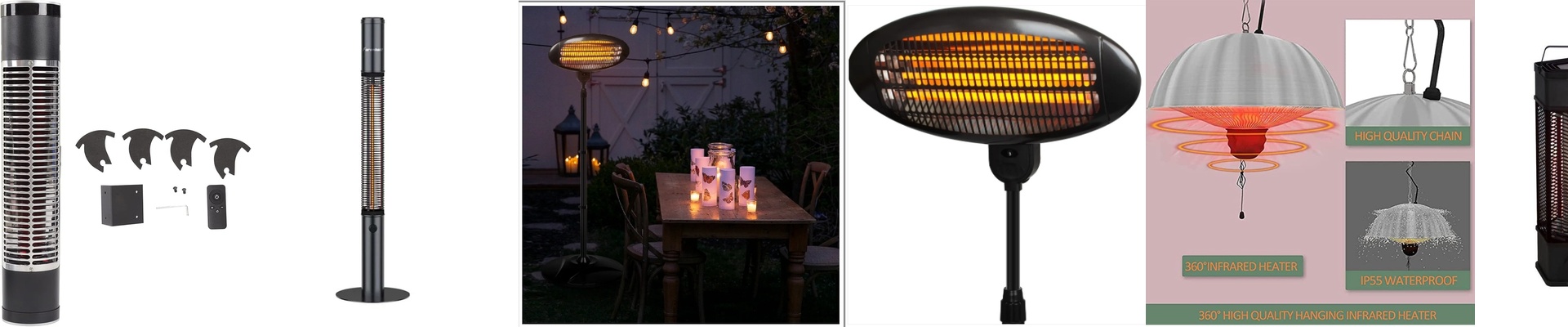
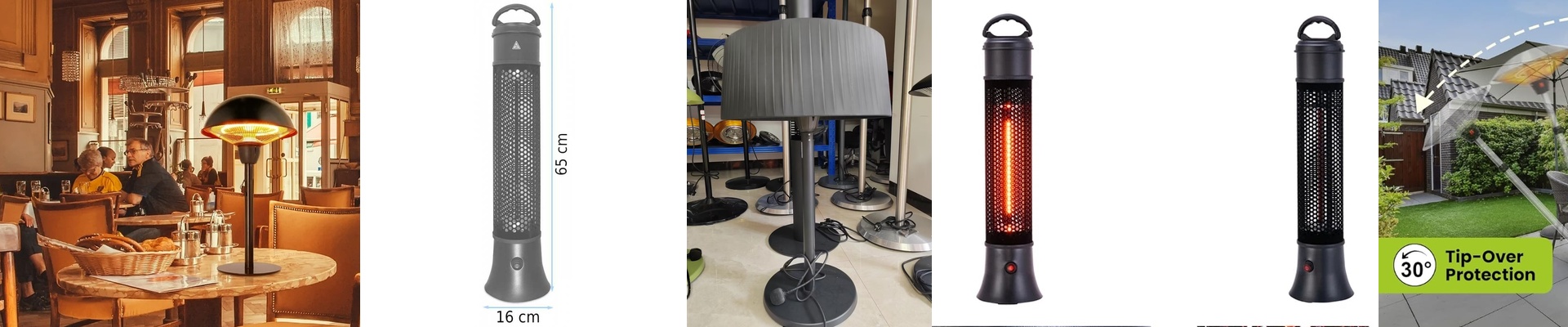
You know those old-school bathroom “lamp heaters”? The ones with the exposed quartz tubes? They’ve been around forever, but they’re honestly not built for the way we use bathrooms today—especially if you’ve got a walk-in shower or a wet-room setup. Steam is the enemy here. That’s why more people are switching to IP66-rated infrared systems. It sounds like a technical jargon term, but it basically just means the heater is built like a tank against water.
Let’s talk about that IP66 thing
In plain English, IP66 means the unit is dust-tight and can handle a direct blast of water without flinching. In a bathroom, this is a huge deal. It’s not just about stopping a short circuit (though that’s important). It’s about keeping moisture away from the electrical terminals. When steam creeps into a cheap heater, it eats away at the contacts. You’ll notice the heat starts to dip, and then one day, it just burns out. With an IP66 seal, the high-voltage guts are totally isolated from the humidity. It just lasts longer. Period.
The “Instant Warmth” factor
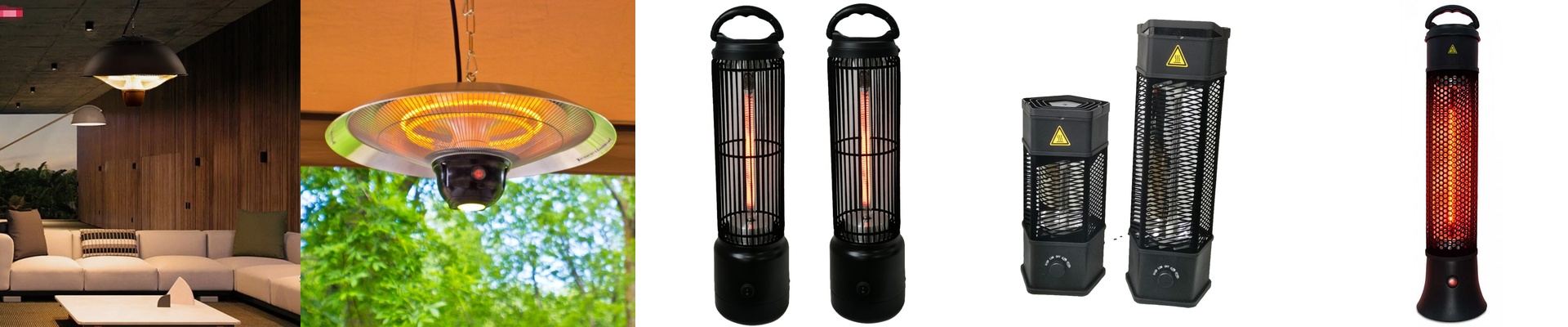
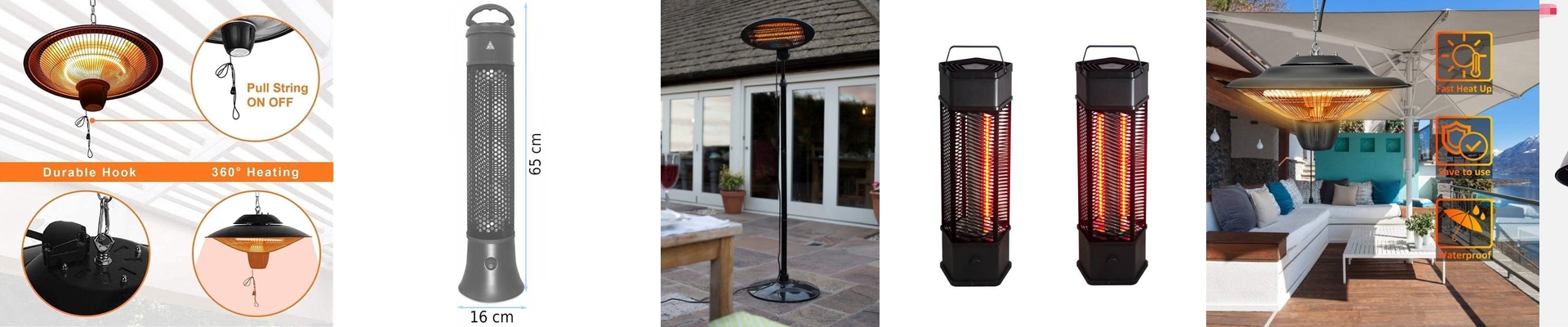
Most heaters try to warm up the air in the room. The problem? Air is stubborn. It takes forever to heat up, and as soon as you open the door, all that warmth vanishes. Infrared is different. It doesn’t care about the air; it goes straight for your skin and the surfaces around you. It feels like stepping into a patch of sunlight on a cold day. It’s immediate. We use short-wave infrared for bathrooms because it packs a lot of punch into a small package. You get a sleek, low-profile ceiling mount that actually keeps you warm, rather than some bulky eyesore that barely works.
A few things to watch out for during install
Here is the catch: you can’t just plug these into a random outlet or tie them into your lighting circuit. These units pull a lot of power to get that instant heat. If your wiring is too thin, you’ll get a voltage drop, which means your “hot” heater will actually feel lukewarm. You need a dedicated circuit. And please, don’t skimp on the cables. Use moisture-resistant wiring and make sure everything is grounded properly. Here’s the thing: you can have the fanciest IP66 heater in the world, but if the hole in the wall where the wires enter isn’t sealed, you’re wasting your money. Moisture will just sneak in through the back. Seal the entry point, and you’re golden.