

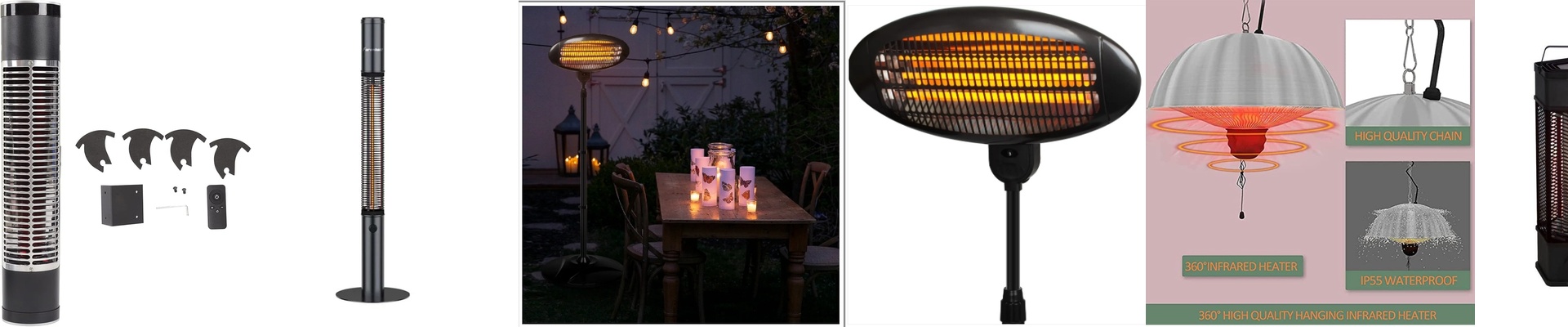
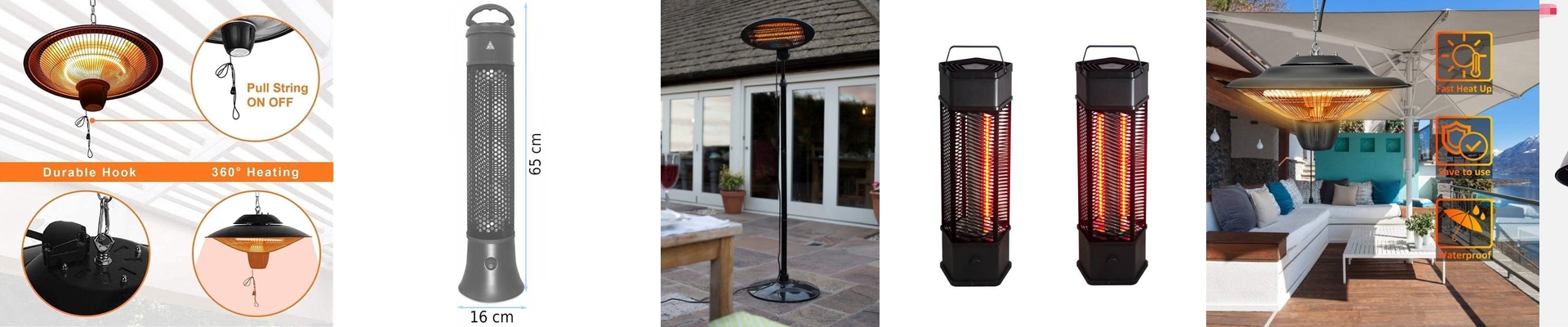


Keeping Your Bathroom Infrared Heaters Safe (and Dry)
Putting an infrared heater in a bathroom is a bit of a gamble if you aren’t careful. You’ve got steam everywhere and water splashing just inches away from high-voltage electricity. Not a great mix. To keep things from shorting out or—worse—giving someone a shock, you have to get the insulation and the IP65 rating exactly right. Dealing with the damp Here’s the thing: water loves to conduct electricity. To stop that from happening, we rely on high-grade quartz glass and ceramic insulators. These basically act as a wall, keeping the heating element totally separate from the outer frame. But the real secret is in the joints. We use silicone gaskets or epoxy resins to plug every single gap. If moisture creeps into the terminals, you’re in trouble. It’s all about making sure those connection points are airtight. The IP65 struggle An IP65 rating basically means the unit can handle dust and direct water jets without breaking a sweat. To get that, we wrap the infrared tube in a sealed enclosure. But there’s a catch. When you lock a powerful lamp in a waterproof box, the heat has nowhere to go. It gets hot. Really hot. If you use cheap materials, those seals will warp or melt. That’s why we stick to anodized aluminum or heavy-duty, heat-resistant polymers. They can take the heat soak without falling apart. Wiring it up Don’t cut corners on the connectors. We use R7s or similar vibration-resistant plugs because loose contacts lead to arcing, and arcing leads to fires. And please, for the love of everything, hard-wire the unit to a GFCI breaker. It’s your ultimate safety net. If a seal ever fails and water hits a live wire, the GFCI kills the power in a fraction of a second. One last tip: check your cable entries. Use PG-rated glands to cinch the wires down tight. Most “waterproof” heaters fail because someone left a cable gland loose, letting water trickle straight into the guts of the machine. Fix that, and you’re golden.