Making Outdoor Heat Actually Smart
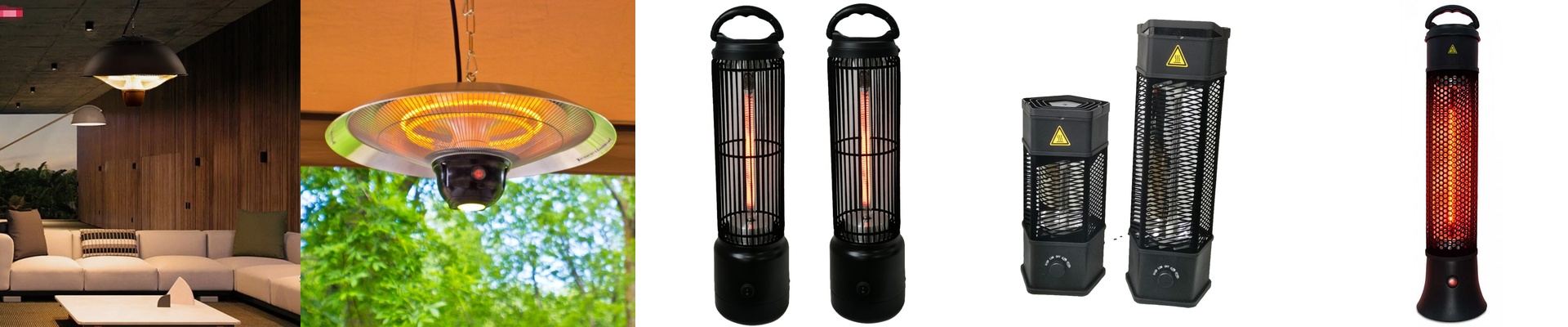
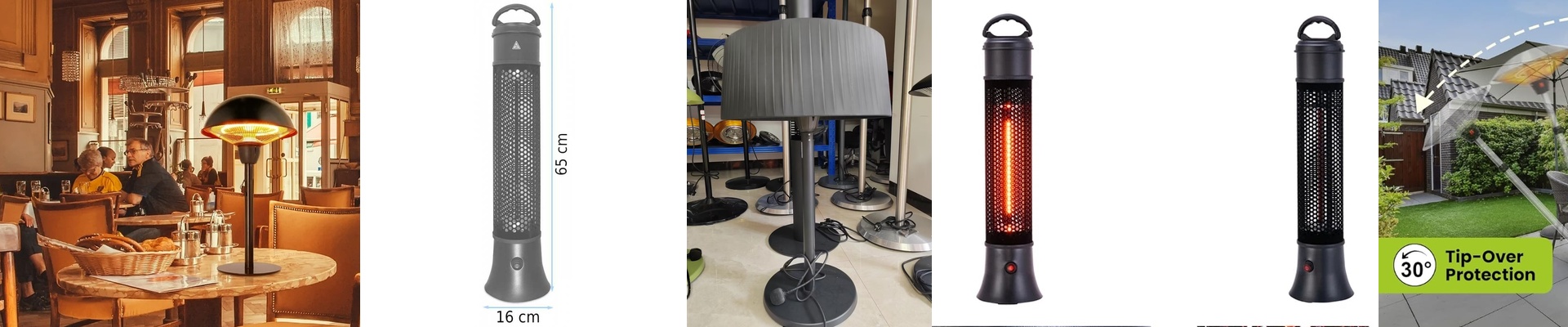
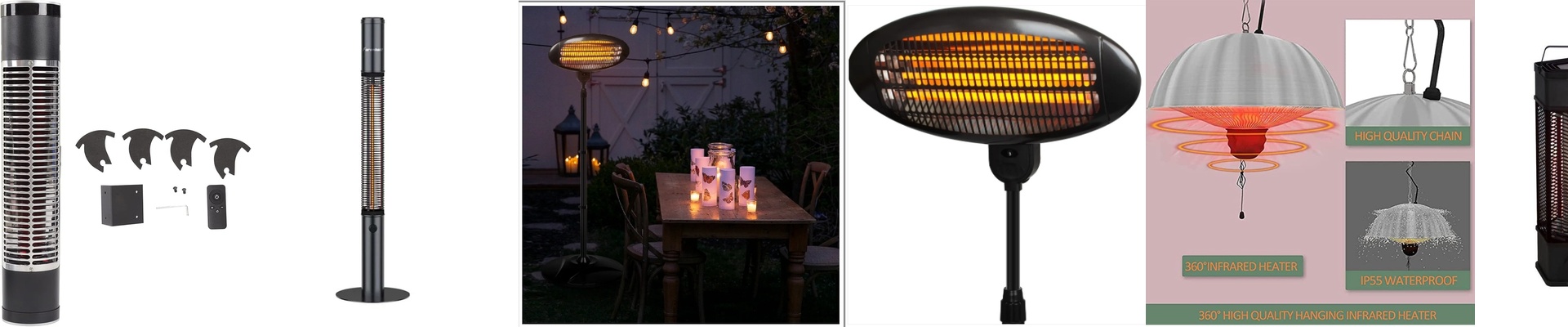
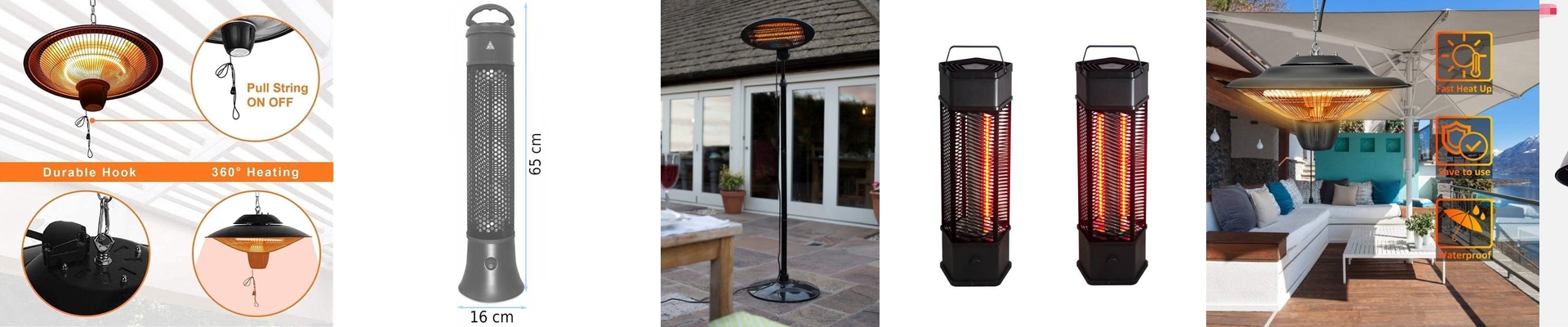
We build our infrared heaters to take a beating. Rain, dust, wind—they can handle it all thanks to that IP65 rating. But let’s be honest: nobody wants to walk outside in the cold to fiddle with a manual dial. That’s why we’ve ditched the knobs for WiFi controllers and integrated relays. Now, you can basically flip a switch on your phone and turn your patio from a freezer into a sanctuary.
Heat That Hits Instantly
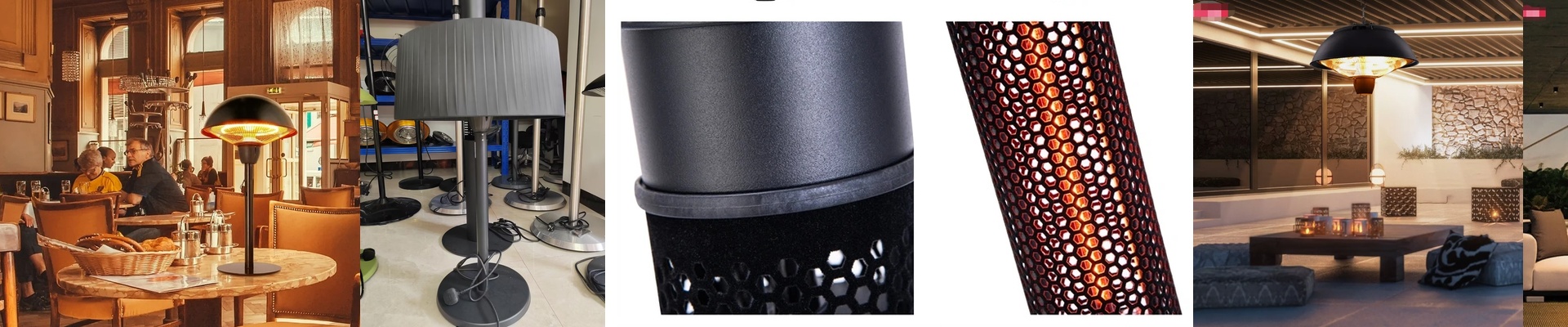
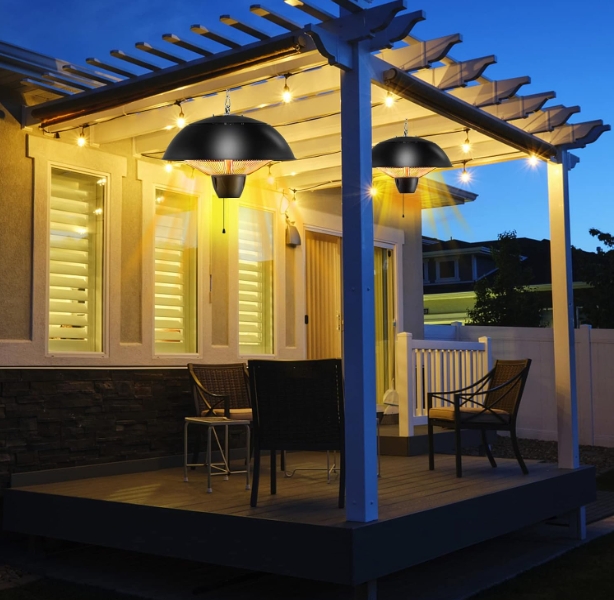
Here is the cool part: these use shortwave infrared. Most heaters try to warm up the air, which is a losing battle outdoors because the wind just blows the heat away. These are different. They beam heat directly onto you and your guests. It feels like stepping into a patch of sunlight on a crisp day. Since the elements hit peak temp in seconds, there’s no waiting around. You tap the app, and you feel the warmth almost immediately.
The Nitty-Gritty Stuff
To get these talking to your smart home, we use Zigbee or Matter-compatible controllers. The IP65 shell keeps the electronics dry, but the real challenge is the power. These units pull a lot of juice—we’re talking several kilowatts. If you use cheap relays, they’ll weld shut and fail. We use heavy-duty gear to make sure that doesn’t happen. We also use thick wiring to stop voltage drop. If the power supply is weak, the heaters won’t get hot enough. And if they aren’t hot, the “instant” magic just disappears.
A Few Honest Truths
Smart tech is great, but it isn’t perfect. If your WiFi bridge decides to take a nap, you’re locked out of your app. That’s why we always put a physical override switch right on the unit. It’s your safety net. Also, keep in mind that this heat is directional. It’s like a flashlight—if you aren’t in the beam, you’re cold. You can’t just throw one heater in a far corner and hope for the best. You’ve got to map out where people will actually be sitting, or you’ll end up with some very chilly guests regardless of how fancy your app is.