


Putting Infrared Heaters in Wet Rooms Without the Headaches
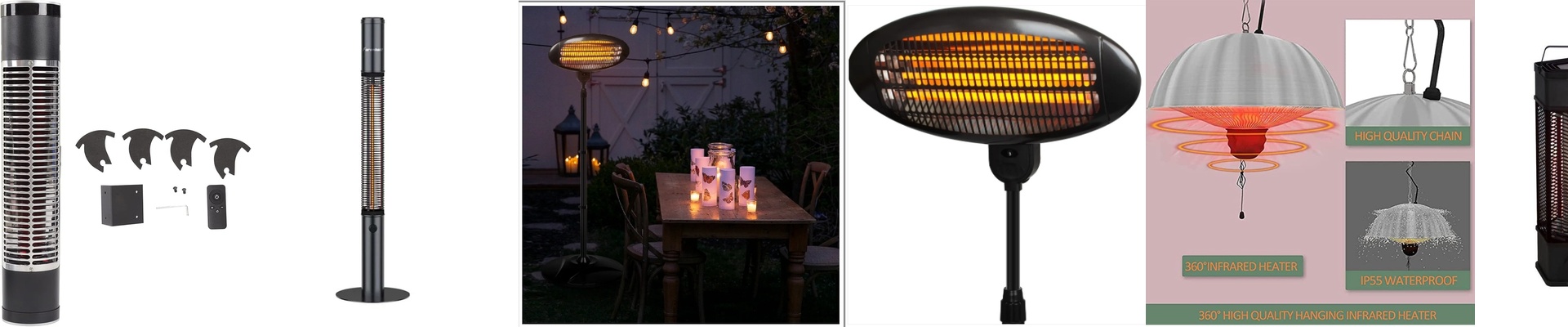
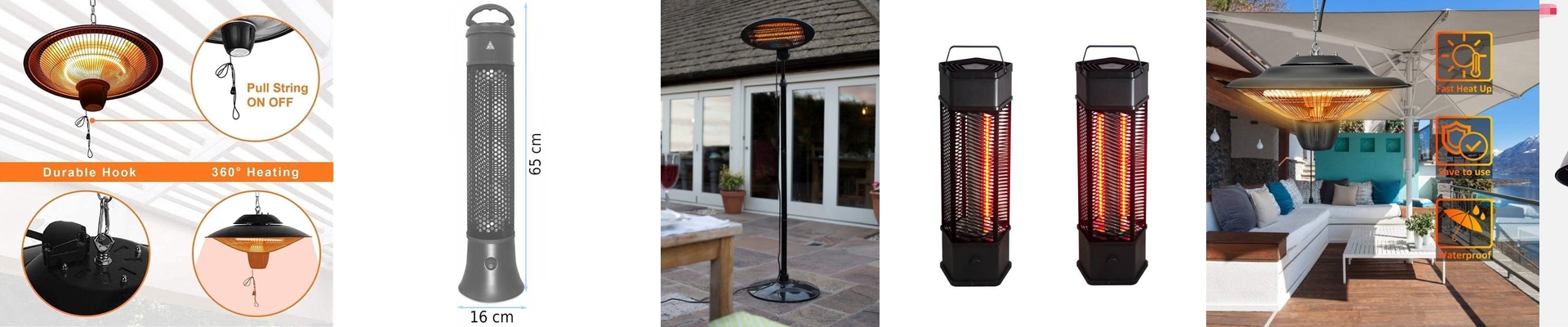
Let’s be honest: putting electric heaters in a bathroom or a steam room is a bit nerve-wracking. You’ve got steam, splashes, and constant humidity. If you just throw a standard lamp in there, you’re basically asking for a short circuit—or worse. To keep things safe, you need a setup that hits an IP55 rating. In plain English? It means the guts of the heater stay dry, and you stay safe.
How we actually keep the water out
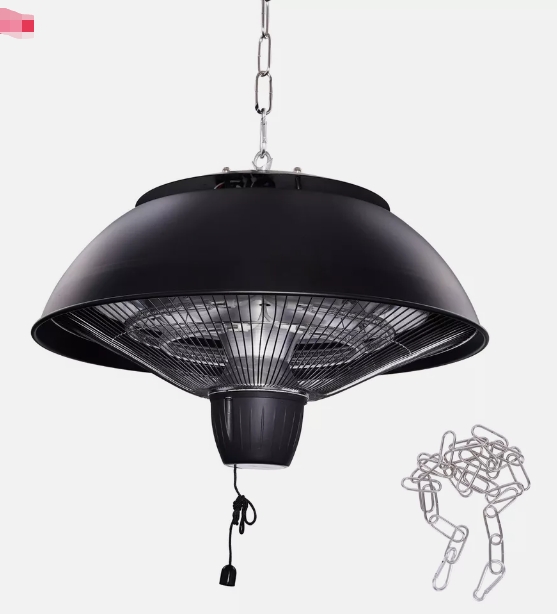
IP55 is basically a shield. It keeps dust out and stops water jets from ruining the electronics. The real danger zone is usually where the lamp connects to the power. That’s where most heaters fail. We fix this by using heavy-duty, moisture-resistant gaskets and sealing the cable entries tight. No one wants water creeping into the wiring. Inside, we don’t use cheap materials. We go with high-temp silicone or ceramics. Why? Because steam eats through normal insulators. These materials hold up, keeping the live electricity exactly where it belongs and far away from the metal frame.
The battle between heat and damp
Here is the tricky part. Infrared lamps get incredibly hot. When that heat hits a cold, damp wall, you get condensation. If you seal the unit too tight, that moisture gets trapped inside and fries the circuit board. It’s a balancing act. We design the housings with a specific kind of “smart” drainage. It lets the condensation drip out, but keeps the external splashes from getting in.
A few non-negotiables for safety
First off,**ground your outer casing.**Always. Metal expands and contracts when it heats up and cools down. Over time, even the best seals can shift. If a leak ever does happen, a grounded chassis ensures your breaker trips instantly instead of the whole heater becoming live. And please, make sure your circuit has an RCD (Residual Current Device). Infrared heaters in wet zones have a specific way of leaking current, and an RCD is your best friend for stopping a disaster before it happens.