


Getting Your Wafer Heating Right
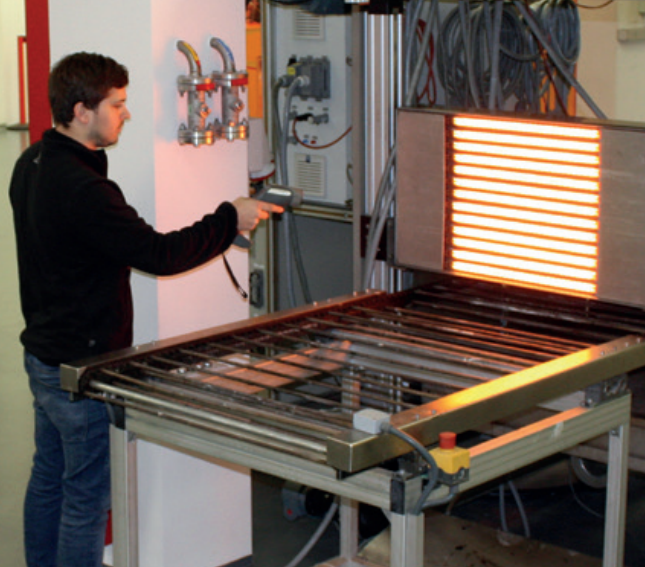
When you’re heating silicon wafers, every single watt matters. It’s not just about cranking up the heat—it’s about making sure that energy actually hits the wafer instead of just warming up your chamber walls. That’s where gold-coated reflectors come in.
Why Gold?
Here’s the thing: standard quartz lamps throw energy in every direction. In a typical setup, you’re basically wasting half your power. We fix that by adding a thin layer of high-purity gold to the reflector. It bounces back over 98% of that infrared energy. Instead of a scattered glow, you get a tight, focused beam of radiation hitting the wafer. You get way more heat where you actually need it, without having to pull more power from your lamps. It’s just efficient.
Finding the “Sweet Spot” for Distance
Then there’s the gap—the space between the lamp and the wafer. If you get too close, you’re asking for trouble. You’ll get hot spots, and your wafer might warp. But if you push the lamp too far back, you start losing heat to the air. The beauty of the gold coating is that it lets you keep a healthy distance without sacrificing temperature. You get a nice buffer for airflow, which also keeps the lamps from overheating and burning out prematurely. It’s a much safer way to work.
The Trade-offs (Because nothing is perfect)
Now, there is a catch. Because these systems concentrate energy so intensely, your ramp-up times are incredibly fast. But that speed makes the thermal gradient across the wafer a bit touchy. You’ll want to pair these reflectors with a precise PID controller so you don’t accidentally overshoot your target temperature. And a heads-up: gold is a bit precious. If your process uses corrosive gases or kicks up a lot of dust, that coating will degrade. Once it gets dirty, your efficiency takes a dive. Keep a strict cleaning schedule. Keep those surfaces shiny, and your system will keep humming along.