
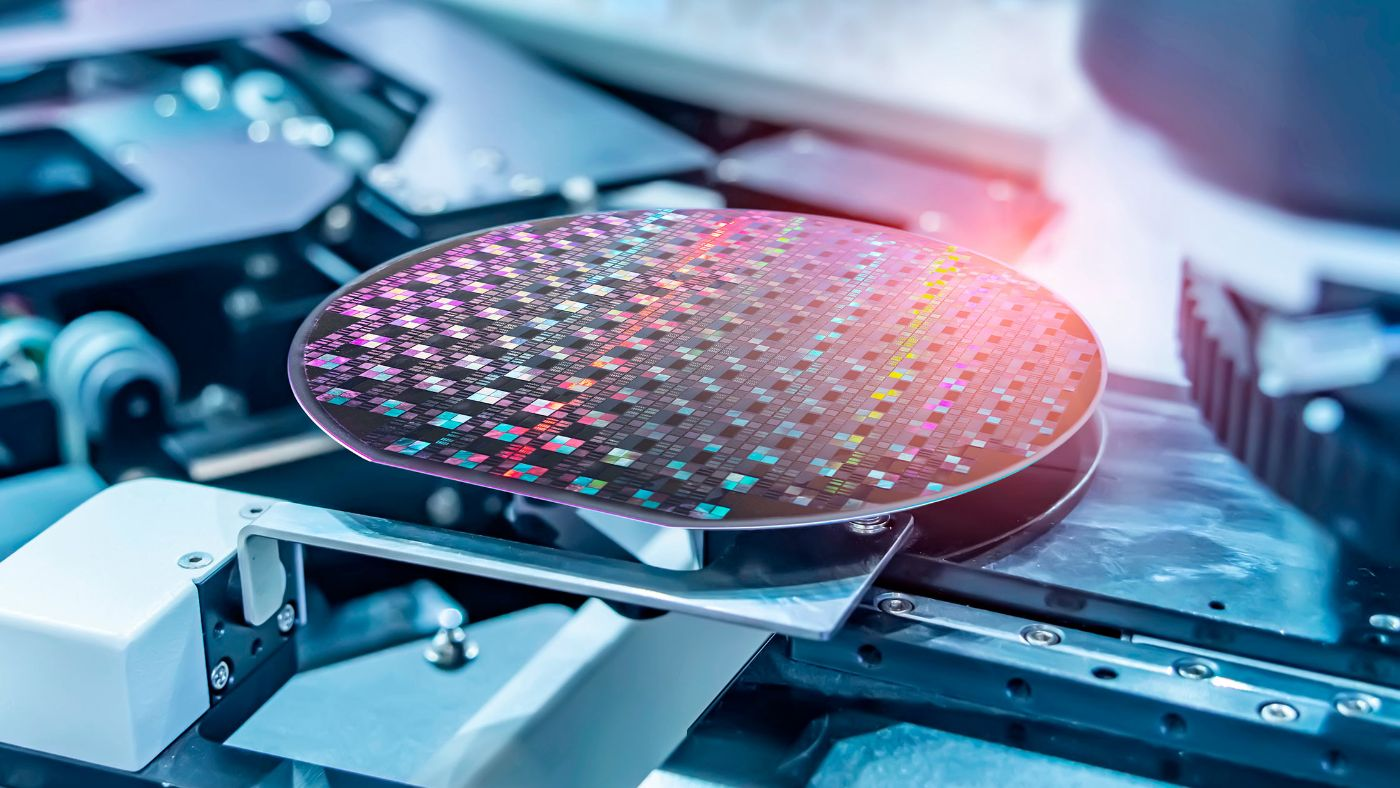
On the lithography floor, a 2°C hotspot across the wafer during soft bake will shift critical dimensions and burn through hours of exposure time. You can’t be chasing thermal drift after every batch. The wafer degas infrared heater keeps the thermal budget where it should be—on the resist profile, not on process variability. What matters, technically We run short-wave infrared with fast, direct radiative heating, tuned for how the wafer itself responds. That gives wafer-level thermal uniformity within ±0.1°C across the process window, and temperature repeatability that stays in spec, run after run. It lives in Class 1–100 cleanrooms, generates zero particles, and uses a sealed, low-outgassing design. You get stable output for 24/7 operation—no surprise downtime, and maintenance intervals you can plan around. Why it works in practice In wafer drying, degassing, photoresist soft bake, and hard bake, the infrared profile cuts ramp time and holds setpoint tightly. Throughput goes up without trading away yield. When the bake is repeatable, the photoresist chemistry stays predictable—fewer residues, fewer defects, and tighter CD control. The same thermal platform handles curing steps with controlled energy delivery, so you use less overall energy while still hitting the process intent. What you need to get right Matching the infrared spectrum and power density to the substrate stack matters. The heater integrates cleanly, but the tool interface and cooling plan have to line up with your chamber and exhaust constraints. Plan for thermal mass and shielding so you don’t cook adjacent optics and sensors. Set it up properly, and you get a stable process signature that holds up through qualification and day-to-day production.