On the fab floor, the photoresist bake isn’t optional—it’s the thermal budget. Let soft bake or hard bake drift by even a fraction of a degree, and critical dimensions go sideways. You see it instantly on the CD-SEM. We built our quartz boat heating lamps to take that variability out of the equation.
What matters, technically
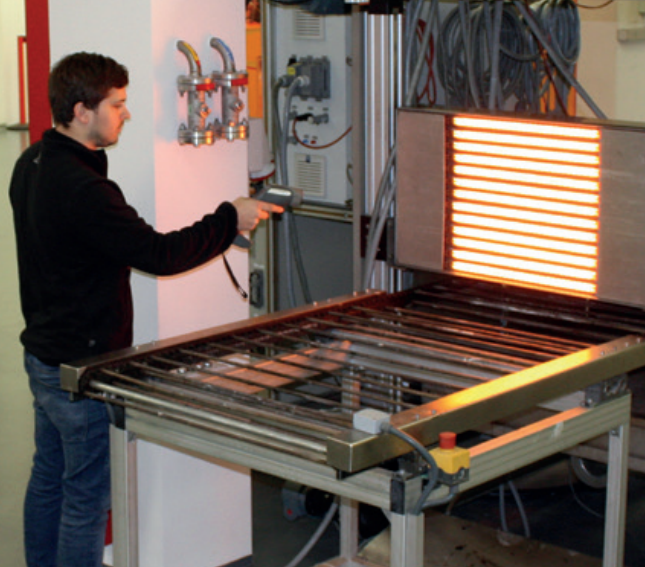
These lamps hit the wafer with short-wave infrared through high-purity quartz, so the heat is direct, fast, and tightly controlled. The key spec is wafer-level uniformity of ±0.1°C across the boat, which keeps solvent removal consistent and polymer flow stable. They run in Class 1–100 cleanrooms and hold steady with zero particle generation once they’re in steady state. Output repeatability stays tight over thousands of cycles. For the process engineer, that means the thermal profile isn’t a wild card—just another parameter you can lock and forget.
Why it holds up in lithography
In lithography, the bake step sets the table for overlay and etch selectivity. Our quartz heating lamps keep the boat temperature stable, cycle after cycle, so soft bake and hard bake stay in spec even when the lots are stacked high. The payoff is fewer excursions, less scrap, and line-of-sight yield you can plan around. Fast ramp-up and short dwell cut energy use, and the reliability profile keeps the line running 24/7 with fewer unplanned stops.
The practical details
The lamps integrate cleanly, but alignment to the boat geometry has to be exact. Use a stable power supply with matched connectors—otherwise you won’t hold the uniformity you need. Plan a short commissioning run to dial in the recipe and verify the thermal profile against your photoresist stack. Once it’s set, the process stays repeatable, and you’ll stretch maintenance windows out because the lamps run long between service calls.