

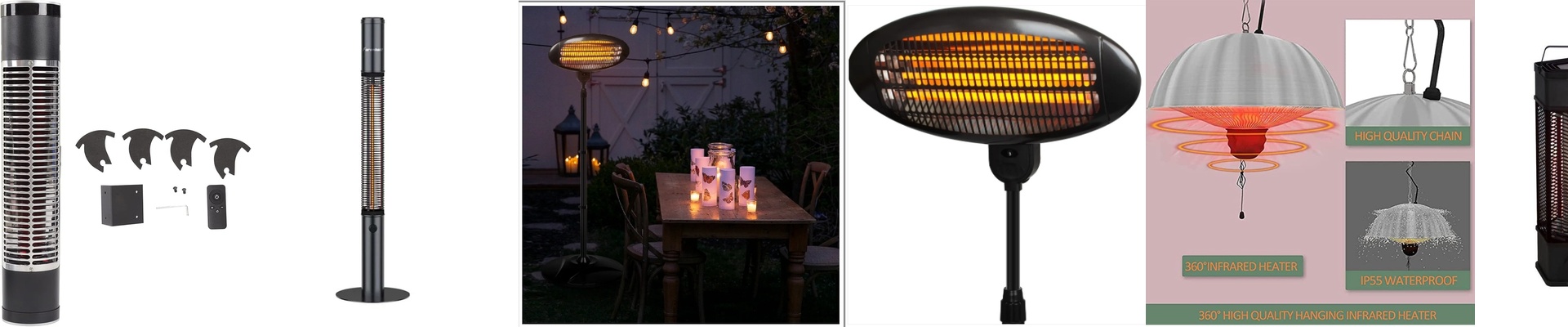
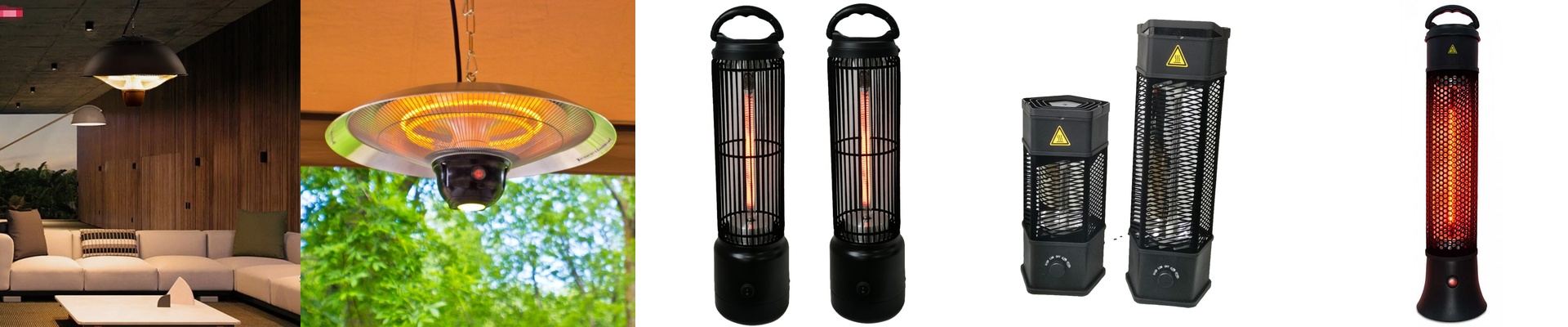
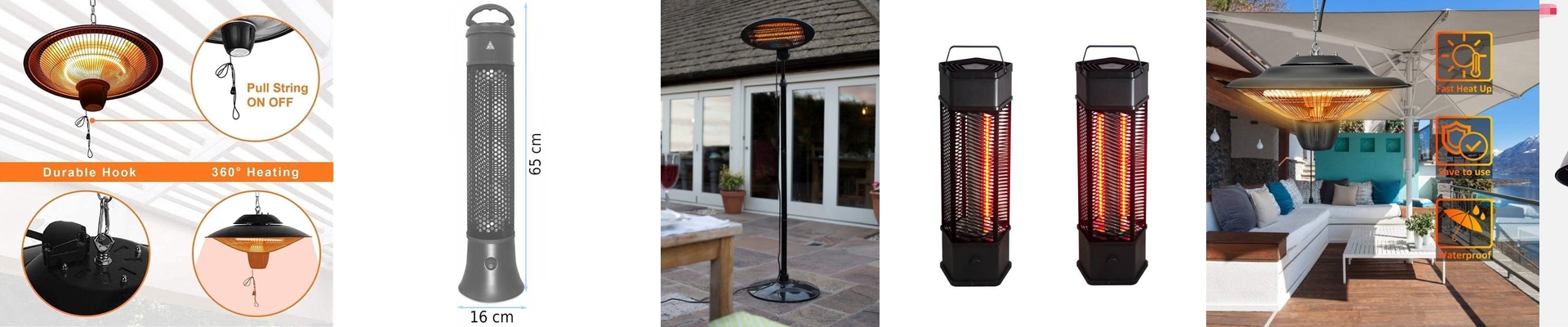
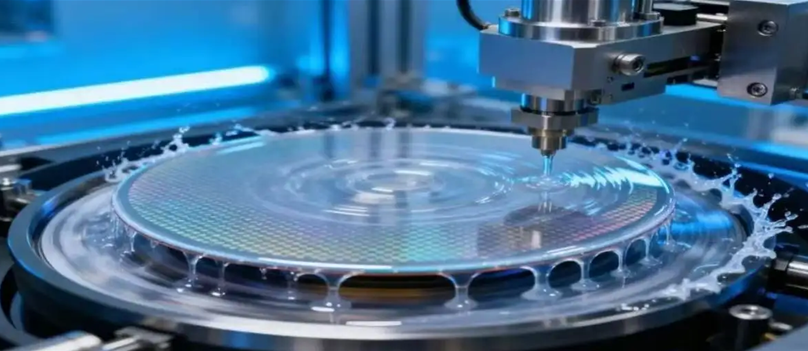
When you’re running a Class 100 cleanroom, “almost clean” doesn’t cut it. One tiny flake from a heating element—something you can’t even see—and your whole batch of wafers is trash. It’s a nightmare. That’s why we stopped using standard glass for our infrared lamps. Standard glass has impurities that just can’t handle the heat; they break down and cause problems. We switched to high-purity synthetic quartz instead. It stays stable. It stays clean. No more mystery gasses Most IR lamps use binders or coatings that start “off-gassing” the second they get hot. We just stripped all that junk out. Since we use high-purity quartz, the surface stays inert. You don’t have to worry about random chemicals landing on your wafers. Plus, we’re obsessive about the seal-off process. We keep the tungsten filaments away from any trace oxygen so the tubes don’t cloud over. If the tube stays clear, the IR efficiency stays high. Simple as that. Getting the heat where it belongs These lamps ramp up fast. Really fast. We focused on short-wave IR emission because you want the heat to actually penetrate the wafer substrate, not just warm up the air around it. It gives you a concentrated punch of heat, which means you can dial in your temperature control much more tightly. Just a heads-up: this kind of heat density is intense. Check your mounting brackets. If your chassis isn’t built to handle how quartz expands when it gets hot, you might put too much stress on the ends of the lamp. Fitting them in We designed these to be drop-in replacements. No fuss. The footprint is clean, so dust has nowhere to hide. And because the build quality is so high, you won’t see that ugly “browning” on the quartz nearly as often. That’s the best part—you don’t have to swap lamps as frequently, which means you aren’t breaking the cleanroom seal every other week. One last thing: keep an eye on your power supply. Make sure it’s stable. A few voltage spikes will fry a filament way faster than the quartz will ever wear out.