


On a morning when the cold settles in and won’t let go, the house feels dead—too quiet, too still. You step into the kitchen and the chill bites at your hands and feet, dragging your pace and fogging your head. You don’t want to wait around for the whole room to slowly come up to temperature. You want heat that shows up the second you need it. That’s where an infrared heater earns its keep—instant radiant warmth the moment you flip the switch.
What matters under the hood
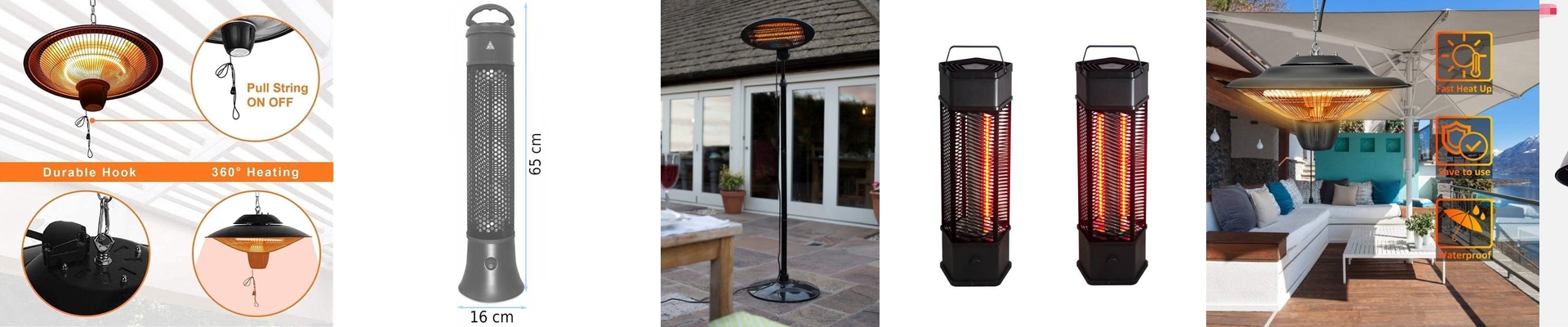
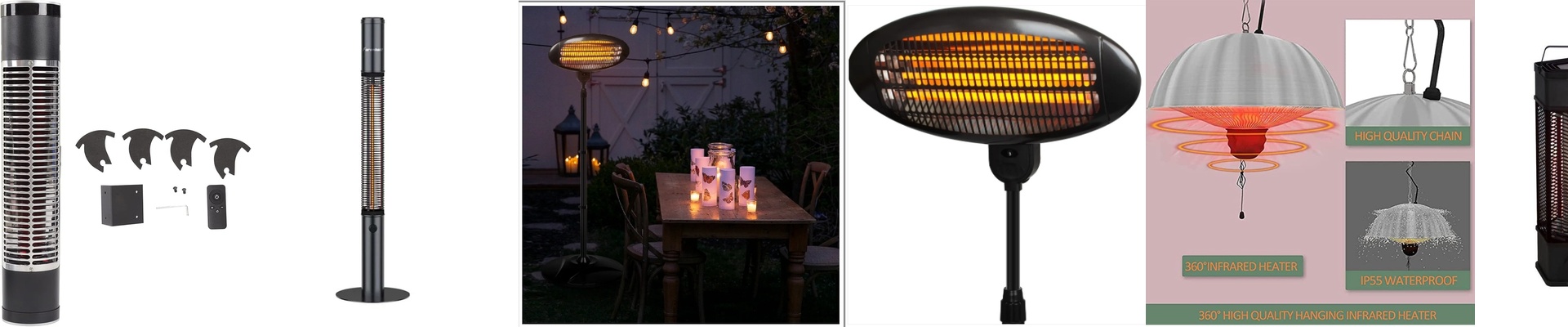
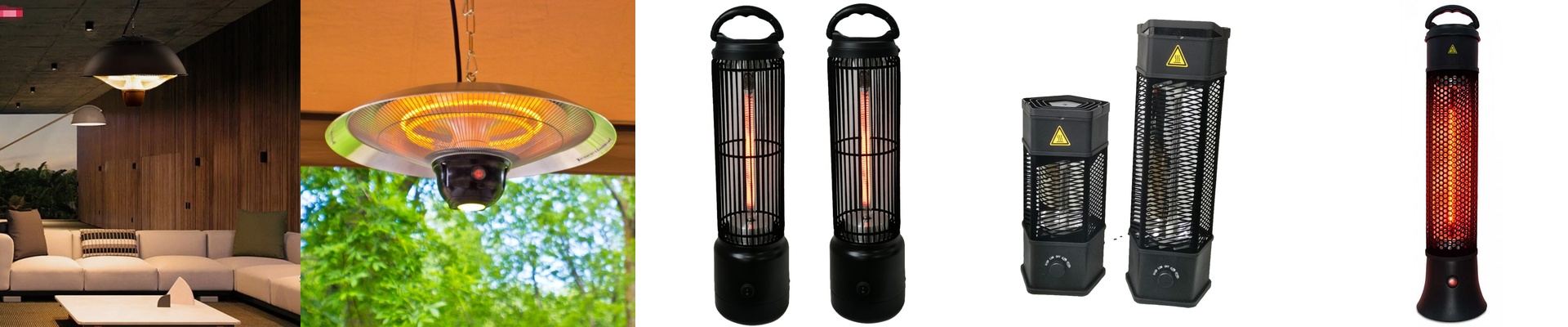
Infrared heaters turn electricity into radiant heat that travels straight to people and objects, not to the air. In our units, a carbon fiber element or a quartz tube comes up to heat within seconds, sending out waves that feel like standing in a patch of sun. The payoff is fast response—full output in 1–2 seconds—paired with directional coverage that puts the warmth right where you are. Many models run at 1200–1500W, plug into a standard 120V outlet, and include a built-in thermostat for steady comfort. On the safety side, look for tip-over protection and overheat protection; for outdoor use, check the IP rating and make sure the heater is rated for damp locations.
Why it clicks in this moment
When the morning is rushing you, speed is the difference. Infrared warmth hits immediately, so you feel more alert and comfortable while you’re making coffee, getting dressed, or putting breakfast together. That radiant heat helps loosen shoulders and backs that tighten up in the cold, turning the first hour into a gradual warm-up instead of a fight. Because the heat is focused, you don’t have to heat the entire house, which can help keep energy use in check. It’s just dependable, fast heat that makes a routine chore feel calmer.
The practical stuff
Infrared heaters warm people and surfaces directly, not the air, so in windy outdoor spots you can still feel a cool draft. For best results, place the unit 6–8 feet away, aimed at your torso and legs, and keep it clear of combustible materials. Indoors, maintain proper clearance and ventilation, and don’t run it for long stretches in small, tightly sealed rooms. Outdoors, choose a heater rated for outdoor use and plug it into a grounded outlet on a dedicated circuit.