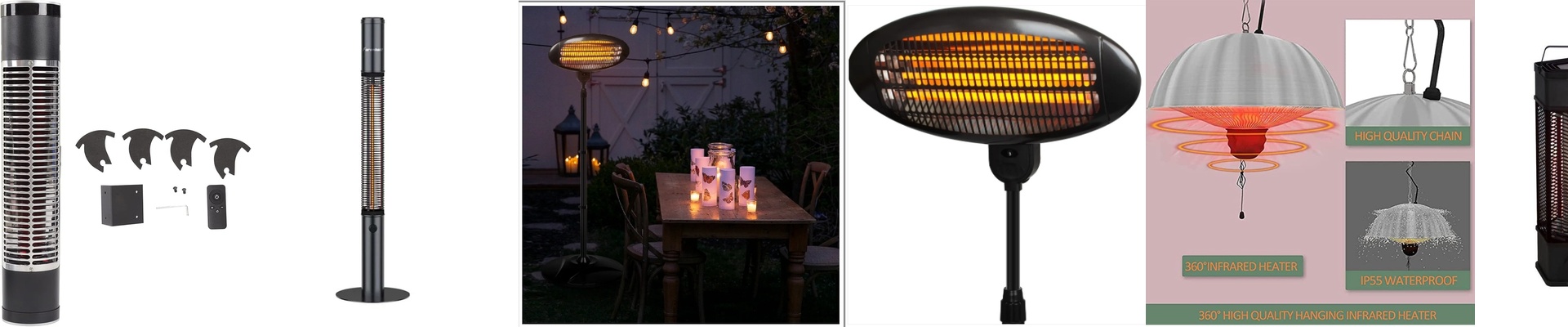


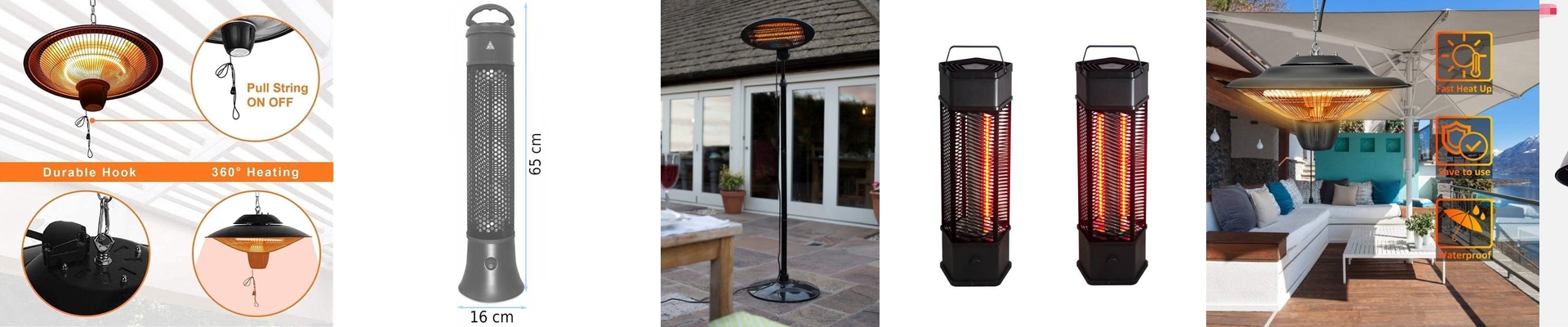

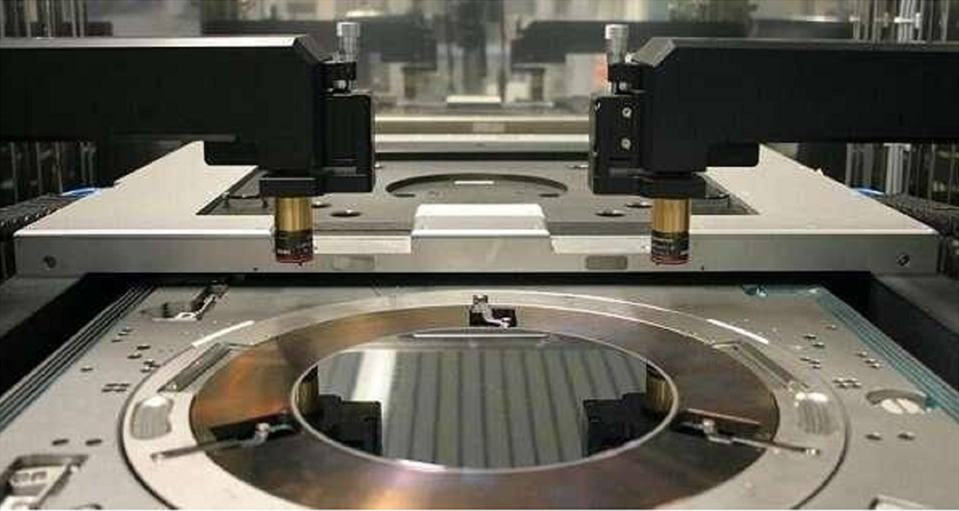
On the fab floor, a half-degree drift during photoresist bake is enough to throw linewidths off and start a yield bleed. You can’t treat temperature like a guessing game—you need thermal control that behaves like a real process parameter, not a moving target. What matters, technically We built the wafer dryer around repeatability: wafer-level uniformity within ±0.1°C, setpoint stability that holds across soft bake and hard bake, and ramp rates that respect the photoresist thermal budget. The heater stack uses quartz-stabilized elements with closed-loop control, so you don’t get overshoot every time the door cycles. Cleanroom behavior is baked in—Class 1–100 compliance, zero particle generation, and exhaust routing that doesn’t dump contaminants back into the air. Reliability is set for 24/7 running, backed by MTBF data and modules that are serviceable without tearing the line apart. Why it plays in lithography In lithography cells, this dryer shows up as tighter CD control and fewer rework lots. Photoresist profiles stay consistent lot-to-lot because the temperature profile repeats, period. Energy use drops, too—efficient thermal mass and fast recovery after batch changes keep the process moving instead of waiting on heat-up. Operators stop chasing drift and get back to running the line. Here are the practical details Installation needs a dedicated exhaust tie-in and clean power with tight line regulation. Without that, you’re fighting for setpoint stability from day one. The footprint is designed to retrofit into existing tracks, but confirm the gas and electrical interfaces against your specific tooling before you order. Commissioning should be a full thermal qualification run—wafer map, setpoint verification, and particle monitoring—so you can lock the process window and move on.