


Getting the Heat Right in Your Fab
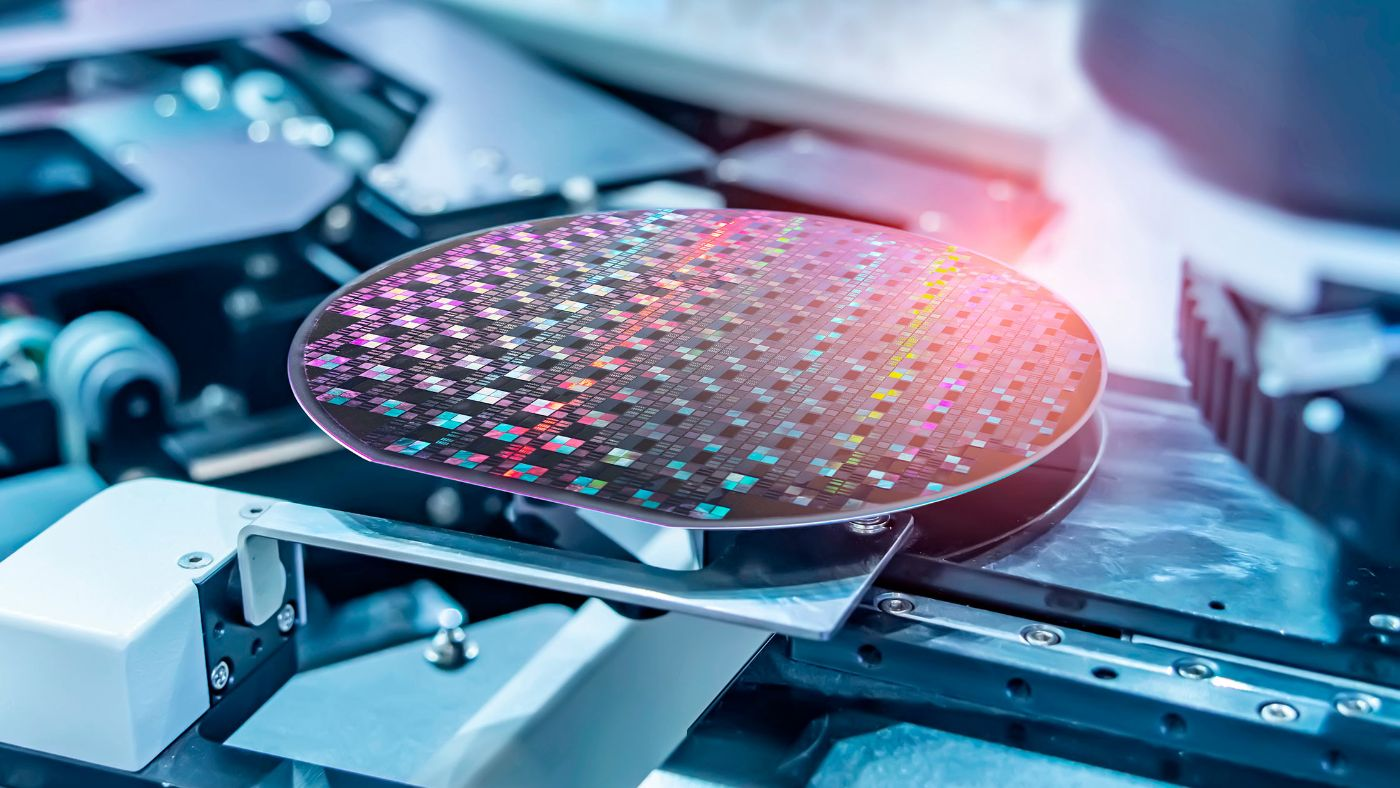
If you’ve ever dealt with wafer curing, you know the nightmare of warping or patchy chemical deposition. It usually comes down to one thing: the heat isn’t hitting the surface evenly. That’s why we lean so heavily on high-reflectivity IR systems. Instead of just letting heat spray everywhere, we use these reflectors to point shortwave radiation exactly where it needs to go. In a modern fab, these aren’t just fancy mirrors. They’re what actually keep your cycle times short and your energy bills from skyrocketing.
Where the Energy Actually Goes
Here’s the thing about standard IR lamps: they blast energy in every direction. 360 degrees. If you don’t have a reflector, you’re basically heating up the machine chassis—which is a total waste. We design our reflectors to catch that escaping energy and bounce it right back onto the wafer. By tightening that beam, you get a much denser hit of heat on the surface. The best part? You don’t have to crank up the wattage to get the job done. It keeps the whole assembly compact and efficient.
The Nitty-Gritty on Materials
Depending on your budget and needs, we usually go with gold-coated or high-purity aluminum. Now, gold is the gold standard for a reason—it handles the infrared spectrum better than anything else—but it’ll cost you more upfront. The real killer, though, is oxidation. Keep an eye on those surfaces. Once the coating starts to degrade, your heat distribution goes sideways. You’ll start seeing “cold spots” on your wafers, and that’s where the trouble starts. A quick tip: hook your systems into your digital controllers and watch the power draw. If you notice you’re pumping in more power just to keep the same temperature, your reflector is probably dirty or oxidized. Time for a swap.
The Trade-off
There is a catch. When you concentrate heat this intensely, things get hot—really hot. If your cooling manifolds aren’t up to the task, you’re asking for trouble. Pushing all that energy back into the curing zone without enough airflow or a solid heat sink is a recipe for disaster. You’ll end up overheating the lamp electrodes and burning out your tubes way sooner than they should go. It’s all a balancing act. Get the thermal load right, and everything just works.