


Getting the Most Out of Your Wafer Heating
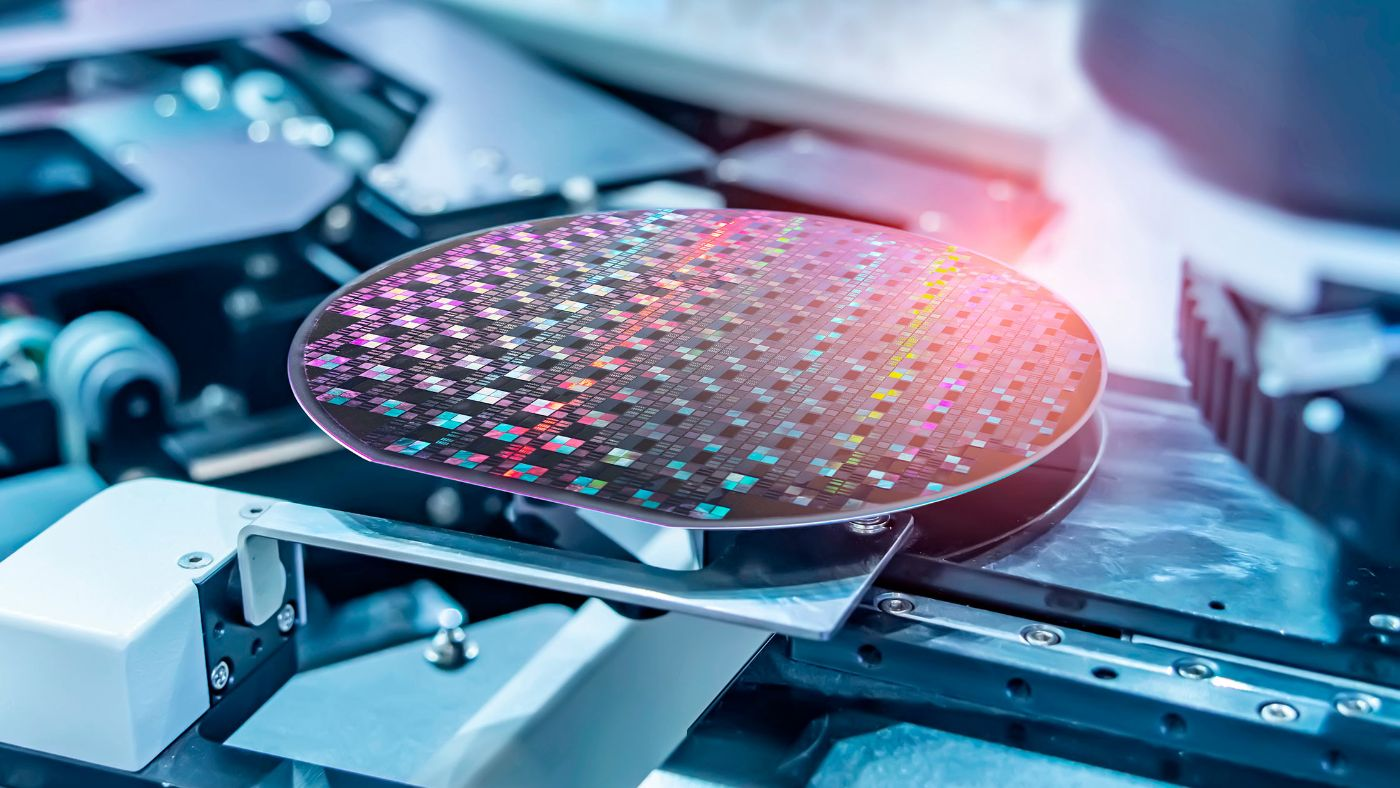
When you’re dealing with semiconductor wafers, you can’t have any atmospheric junk getting in the way. That’s why ozone-free IR lamps are the go-to. But here is the secret: the lamp itself is only half the battle. The real magic happens in how you actually move those photons. Why we go with gold Most people start with aluminum reflectors, but they soak up way too much energy. It’s a waste. We use high-purity gold coating instead. Why? Because gold is incredible at bouncing near-infrared light. Instead of the heat leaking into the lamp housing and wasting power, the gold layer kicks those IR waves straight back at the wafer. It makes the heat flux much stronger for every watt you put in. You get a tighter thermal profile and your ramp-up times get a lot faster. It just works better. Focusing on the surface In this business, if it isn’t uniform, it’s broken. A gold-coated reflector takes that wide, scattered light and turns it into a concentrated beam. This lets you shrink the footprint of your heating gear without losing any of that heat density. We set these things up so that every single watt is actually doing its job—heating the silicon, not the air around it. The real-world trade-offs Now, there is a catch. Gold isn’t cheap. Your upfront costs for the reflector assembly will be higher than if you stuck with polished aluminum. But you’re basically trading that initial spend for lower power bills and faster cycle times. In the long run, it usually pays for itself. One more thing—keep an eye on your cooling loops. Since the gold reflector is pushing so much energy toward the wafer, the way the lamp sheds heat on the back side changes. If your cooling system isn’t ready for that shift, you’re going to burn out your filaments way too soon. Just keep your airflow steady and your lamps will last.