
Engineering Safety for Hazardous Heating
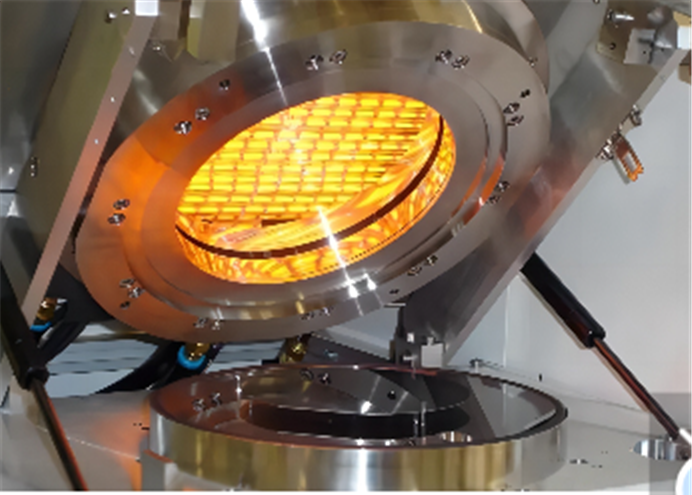
When you’re working around hazardous chemicals, regular heating gear just isn’t cut out for the job. It’s a real hazard. That’s why we built our infrared heating lamp with a gold reflector—designed from the ground up for these tough conditions. The whole point? To give you intense, focused heat without risking ignition or falling apart when chemicals splash around. Here’s the heart of it: a heavy-duty halogen infrared element, running at 400V and 2500W. That kind of power is what gives you fast, direct heat. But it also means you need serious containment. The tube is just 300mm long, so it fits into tight spots, even when you stack them. But that also packs a lot of heat into a small space. Just make sure the equipment around it can handle the extra warmth.
The Physical Design of Safety
Safety starts with how it’s built. That gold reflector isn’t just there to aim the heat. It’s a thermal shield. It bounces over 95% of the infrared energy forward, so the electronics behind it—and the seals—stay protected from that radiant heat. Inside, the halogen element sits in a high-purity quartz tube, sealed tight with industrial-grade encapsulation. That seal is chemically inert, so it shrugs off harsh cleaning agents. It also keeps the hot filament from ever touching a flammable atmosphere. And the R7s connector? It’s the standard for a reason. It holds firm at high temperatures, handling the electrical load without loosening or wearing out, even after thousands of heat-up and cool-down cycles.
Operational Reliability in the Field
Out in the real world, the gold reflector and sealed quartz tube are a team. The reflector keeps the heat on target, so you don’t waste energy heating up nearby parts. The encapsulation blocks chemicals from getting in, which means no corrosion and no early burnout. This setup was built for nonstop duty in rough environments. What you get is steady, localized heat that doesn’t put your workspace at risk. For engineers, that translates to fewer unexpected shutdowns and a heating pattern you can rely on—even when everything else around you is unpredictable.