



Cutting Carbon in Semiconductor Heating
Let’s be honest: semiconductor manufacturing is a power hog. Most of those old-school heating methods are just wasteful. They heat up everything—the air, the room, the walls—just to get a wafer to the right temperature. It’s slow, it’s expensive, and it’s a nightmare for anyone trying to hit carbon-neutral goals.
The secret is in the housing
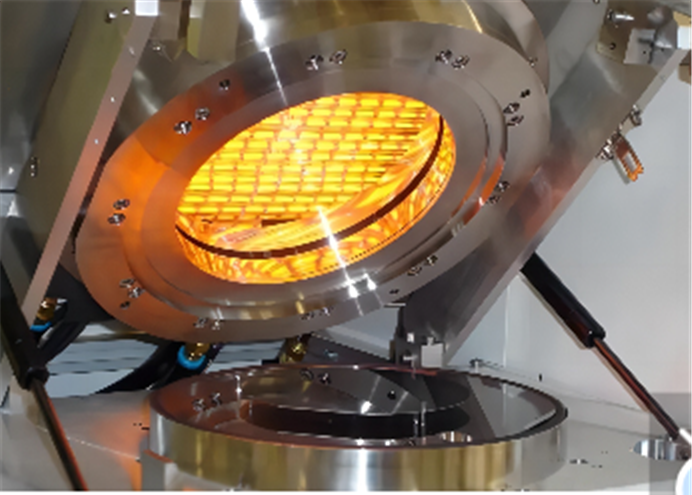
Most people look at the housing and see a metal bracket. I see a mirror. We build these housings out of high-grade stainless steel. Why? Because when things get scorching hot during wafer processing, you can’t have the metal oxidizing or flaking. But the real magic happens with the polish. We polish the inside surfaces to a mirror finish so the infrared (IR) radiation bounces straight back onto the target. Instead of letting heat bleed out into your cleanroom, you’re pushing it exactly where it needs to go. Your wafers get the heat they need, and your HVAC system doesn’t have to work overtime to cool the room back down.
Why stainless steel?
You might wonder why we don’t just use aluminum. It’s lighter, sure. But aluminum tends to freak out under extreme heat cycles. It warps. And the second your housing warps, your IR lamps lose their focus. Suddenly, you’re not hitting your target anymore. Stainless steel stays put. Yeah, it’s heavier. You’ll need a sturdier chassis to hold the extra weight, but that’s a small price to pay. The energy you save by not wasting heat far outweighs a few extra pounds of metal.
Making the “Green Factory” actually work
The big win here is simple: we’re heating the part, not the room. That alone slashes the carbon footprint of the fab. But we also thought about the people actually running these machines. There’s nothing worse than a lamp burning out and having to spend hours recalibrating a thermal shield. We designed these housings for quick swap-outs. If a lamp goes, you just pull it, wire in a new one, and you’re back in business in minutes. It keeps the machines running and stops you from wasting energy while the system sits idle during a long repair. It’s just smarter.