
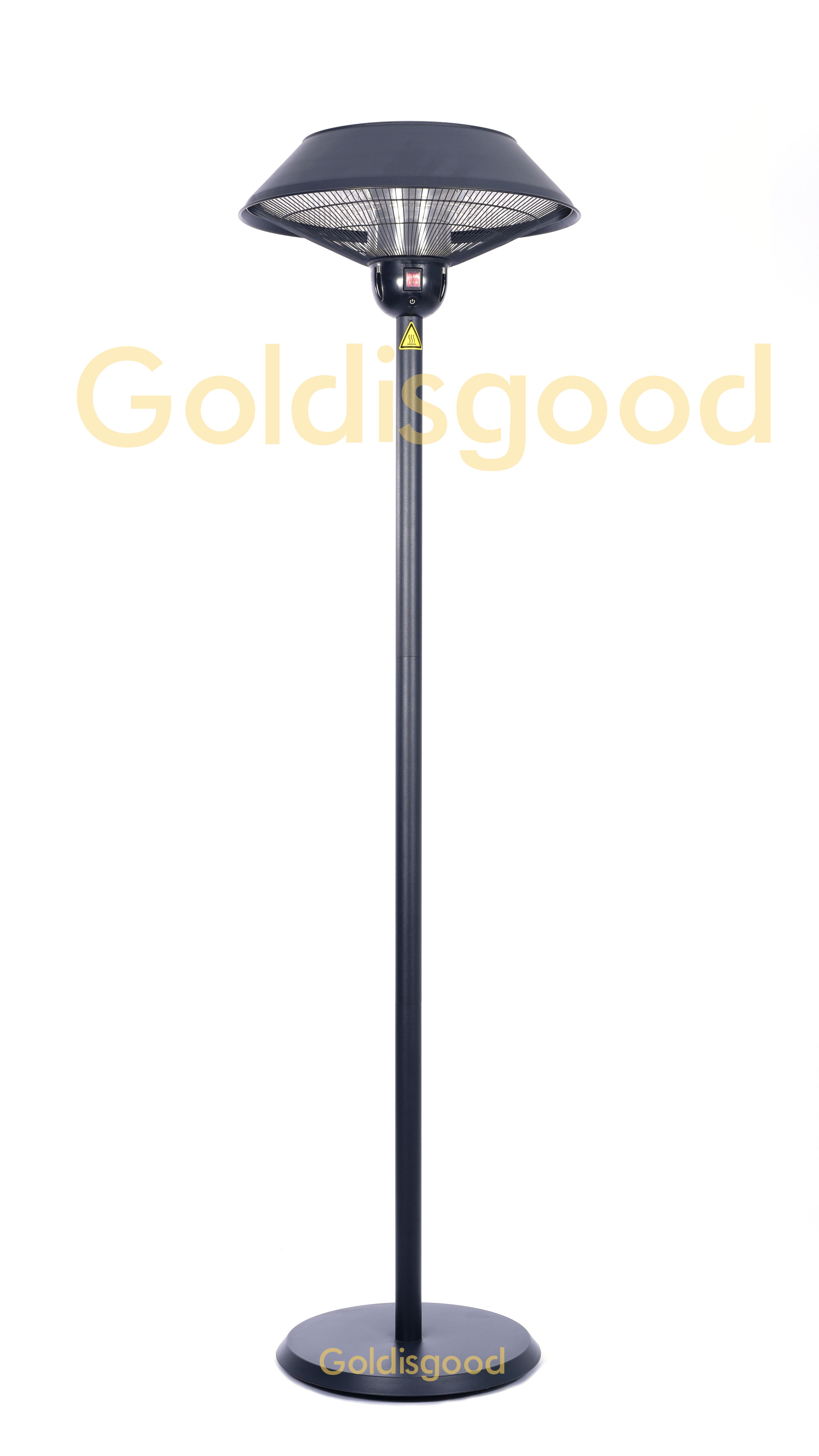
Why Your Bathroom Heater Needs Explosion-Proof Quartz
Let’s be honest: bathrooms are a nightmare for heating elements. You’ve got thick steam, random water splashes, and those sharp temperature jumps when you step out of a shower. If you use a standard quartz tube in there, you’re asking for trouble. One stray drop of cold water hitting a scorching hot tube?**Crack.**The glass shatters. It’s not pretty.
The Secret to “Explosion-Proof” Glass
To stop that from happening, we use specialized explosion-proof quartz. Now, standard quartz is way too brittle for a wet room. The explosion-proof stuff is different. It’s reinforced or coated to handle that sudden expansion and contraction when things get hot and cold. The best part? Even if the tube does crack, it doesn’t just blow up or spray shards across your floor. The design keeps the failure contained. It’s all about peace of mind.
How the Heat Actually Works
These heaters use short-wave infrared. Inside the quartz tube, there’s a tungsten filament that gets hot—fast. Instead of wasting time trying to warm up all the air in the room (which just floats away), this energy goes straight to your skin and the walls. It’s that instant “ahhh” feeling the moment you flip the switch. We make sure these tubes are crystal clear. If the glass absorbs the energy, it gets too hot and dies. By keeping it transparent, the heat passes right through to you.
The Trade-offs and the Setup
You can’t just slap these into a wall and call it a day. Because of all the steam, the housing has to be sealed tight. You’ve got to stick to the IP ratings—basically, make sure the guts of the machine stay dry. Here’s the catch: those safety coatings can block a tiny bit of the heat compared to raw, clear quartz. You lose a sliver of efficiency, but you gain a massive amount of safety. In a home bathroom, that’s a trade I’ll make every single time. One last pro tip: use high-temp silicone sealant for the mounts. It gives the tubes a little room to breathe and shift as they heat up, so they don’t put pressure on the glass.