


Keeping Your Wafers Spotless: The Truth About Heating
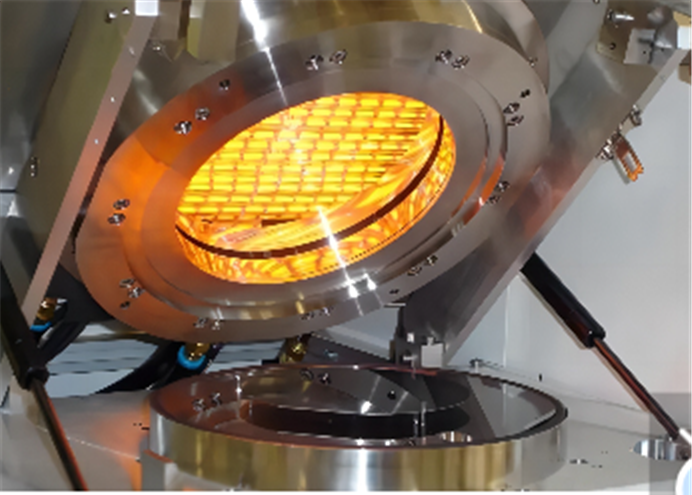
If you’re running a Class 100 cleanroom, you already know that air filters are only half the battle. The real headache? The stuff you can’t see. Outgassing and tiny particles shedding from your heating elements can wreck a batch before you even realize there’s a problem. That’s why we stick with high-purity synthetic quartz for our IR wafer heaters. It stops the contamination before it even starts.
Why the material actually matters
Here’s the thing: standard glass or the cheap quartz you find elsewhere tends to act up when things get hot. They can leach ions or shed micro-particles right onto your work. We use high-purity quartz because it just… stays put. It’s chemically inert, so you don’t have to worry about metallic impurities migrating onto your wafer surface. Plus, it lets short-wave IR radiation pass through without soaking it up. This is great because the tube stays relatively cool while the wafer gets all the heat.
Building for the real world
We’ve seen where industrial heaters usually fail, so we designed ours to avoid those traps. For example, we fuse our seals. No glues. No adhesives. That means there’s nothing there to off-gas and pollute your environment. We also use specialized connectors to make sure the electrical fit is tight. No arcing, no degrading over time—just a solid connection. One quick tip: if you’re running high-wattage setups for rapid thermal processing, be careful. The heat density is intense. Make sure your cooling manifolds are up to the task, or you’ll end up with a warped chamber housing.
The trade-off
Now, quartz is tough, but it’s brittle. It handles thermal shock better than most materials, but it’s not invincible. One bad mechanical bump or a sudden splash of cold water, and the tube will crack instantly. It’s a heart-stopping sound. To avoid that, we suggest using vibration-dampening mounts. It keeps things steady during machine cycling and prevents those annoying stress fractures. At the end of the day, we just stripped out the organic binders and stuck with high-purity silica. It’s a simple move. Use materials that don’t react, and you get a clean wafer. Simple as that.