
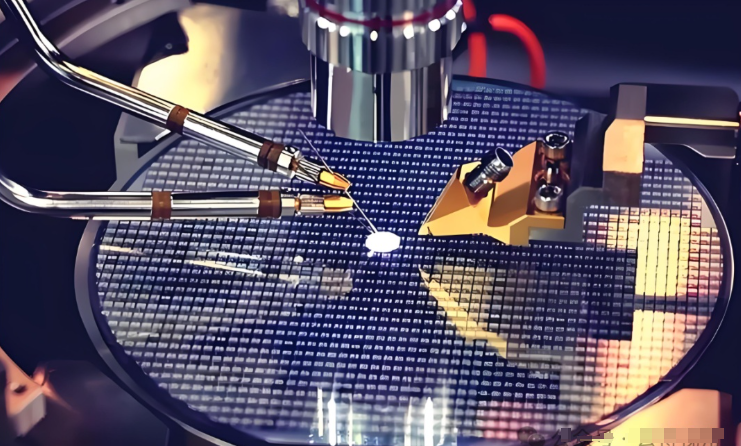
Keeping Your MEMS Wafers Spotless During Drying
If you’re running a Class 100 cleanroom, you already know the nightmare of outgassing or random particles showing up where they don’t belong. It usually happens during the drying phase. Most standard heaters just aren’t cut out for this—they tend to shed microscopic debris or leak volatile organic compounds (VOCs) the second they heat up. That’s why we stick with high-purity synthetic quartz IR lamps. Why quartz? It comes down to the material. We use fused silica with almost zero impurities, so you don’t have to worry about metallic contamination ruining your MEMS sensors. Unlike those metal-sheathed heaters, these quartz tubes act as a non-reactive barrier. The IR radiation goes straight through the liquid film on the wafer, drying it fast without ever actually touching the surface. No contact means no scratches. No cross-contamination. Simple. Getting the heat right To make the drying cycles move quickly, we use short-wave IR emission. The goal here is to put the energy directly into the wafer surface rather than wasting it by heating up all the air in the chamber. But here’s the thing: you have to be careful with power density. These lamps ramp up in seconds, which is great, but that intensity can cause thermal stress if your wafer isn’t perfectly centered. I always suggest using a precise PID controller. It keeps things steady and stops those nasty hotspots from warping your MEMS structures. Fitting them into your line We designed these as drop-in replacements, so they should fit right into your existing setup. We’ve stripped out all the unnecessary glues and switched to high-temp ceramics for the supports. That way, nothing flakes off into your production line. Now, there is a catch. High-purity quartz is chemically inert, but it’s also brittle. Your team needs to be gentle. Make sure they’re using lint-free gloves—every single time. Even one fingerprint leaves an oil residue that burns into the quartz once it heats up. You’ll end up with a permanent “dark spot,” and your heat distribution will be all over the place.