
Making Your Infrared Heat Actually “Smart”
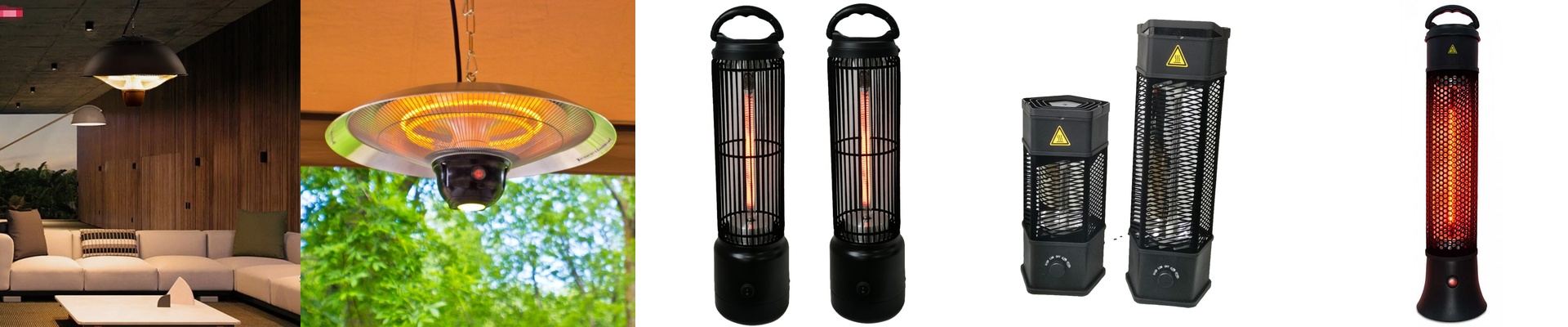
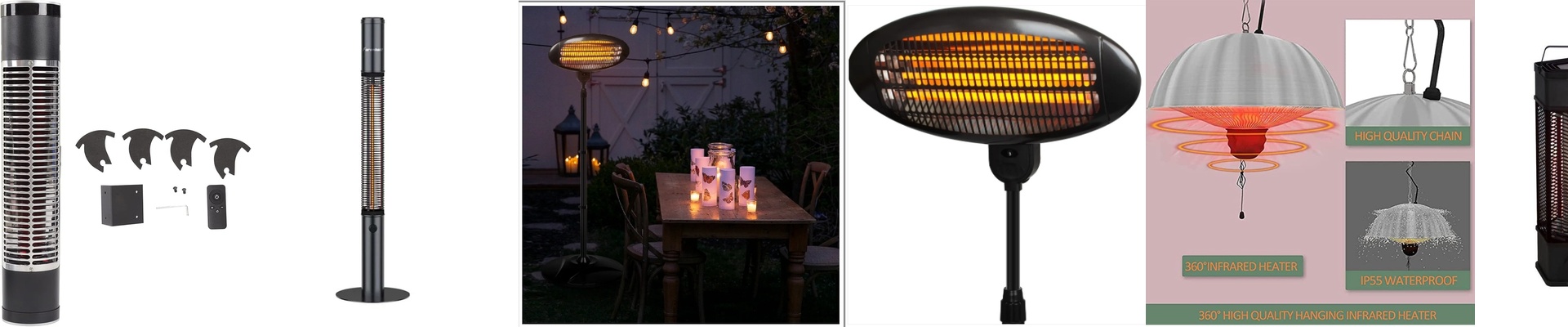
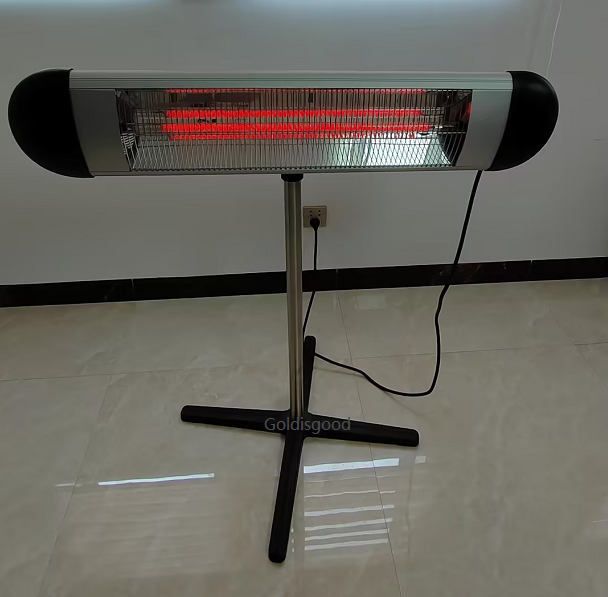
Most heaters just blow hot air around until the whole room feels lukewarm. Infrared is different. It doesn’t care about the air; it just hits you—and your furniture—with direct warmth. When you hook that up to a smart home setup, you stop messing with dials and start actually managing your comfort.
That “Instant” Feeling
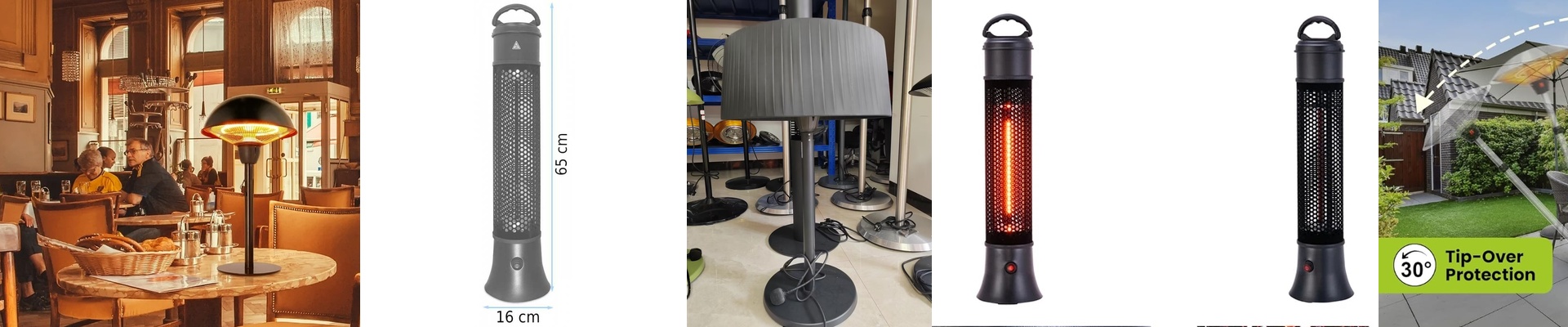
Traditional HVAC is slow. You turn it on and wait twenty minutes for the chill to leave the room. IR lamps? They’re almost immediate. I like to call it “instant spring.” By using short-wave emitters paired with a Zigbee or Matter controller, the heat kicks in the second you walk through the door or tap a “Warm” button on your phone. It’s fast. Really fast. And that changes how you use your space.
Don’t Melt Your Smart Plug
Here is a word of caution:do notjust jam a high-wattage IR heater into a cheap $10 smart plug you found online. You’ll probably fry it. These heaters pull a lot of power. To do this right, you need heavy-duty contactors or dedicated smart breakers that can handle the surge without tripping. The flow is pretty simple: your sensor tells the hub, the hub tells the relay, and the relay flips the switch on the heater. Plus, if you link this to occupancy sensors, you won’t accidentally spend a fortune heating a room that nobody is even sitting in.
The Tricky Parts
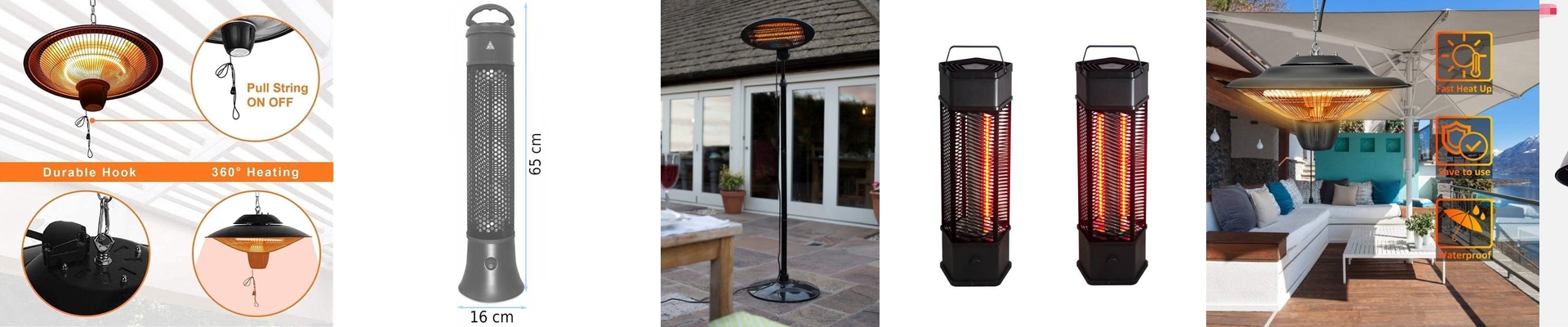
It’s not all plug-and-play. Since IR heat travels in a straight line, placement is everything. If you mount the heater too high or at a weird angle, you’ll end up with annoying cold spots. And here is a pro tip: keep your sensors out of the direct line of fire. If the IR beam hits the sensor, the system will think the room is a sauna and shut everything down way too early. I also suggest using a PID controller. It stops the heater from flickering on and off every few seconds, which saves your equipment from burning out and keeps your electricity bill from spiking.