

Recessed Infrared Ceiling Heaters: The Pick for Engineers Who Can’t Afford Downtime
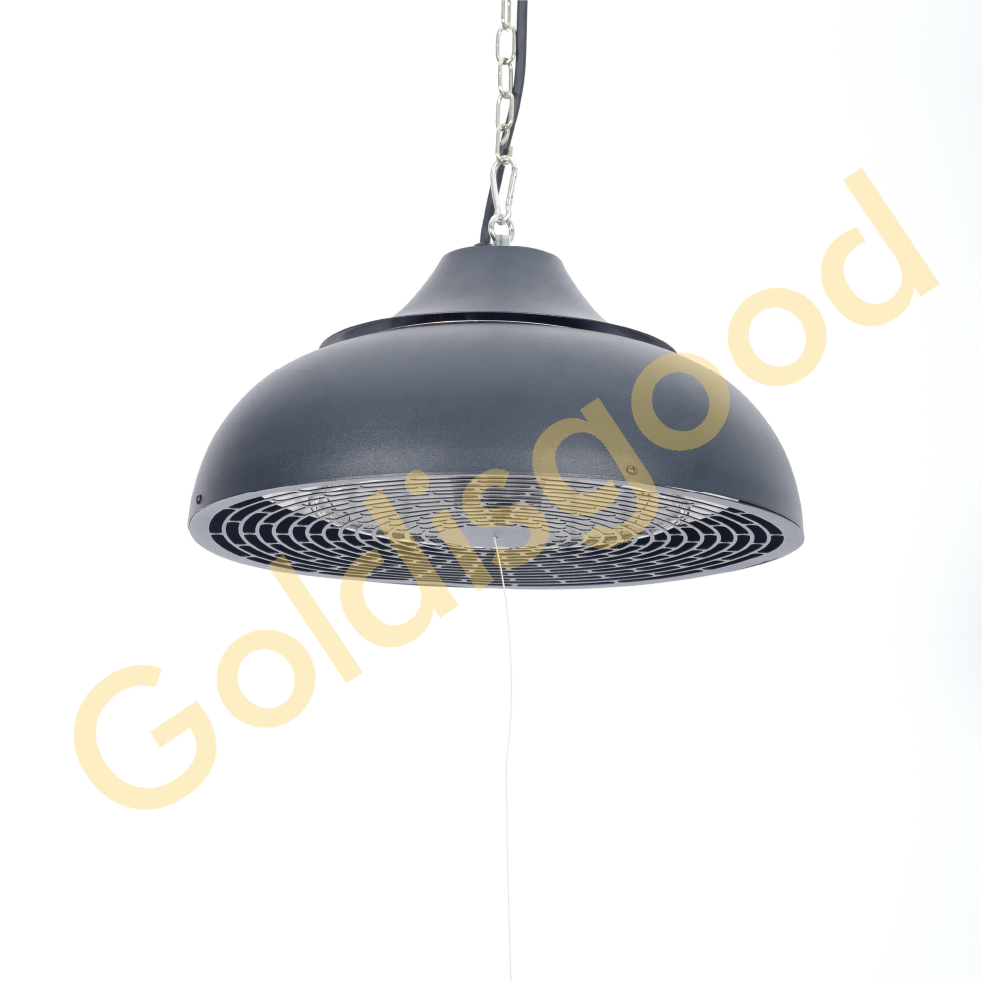
We built these heaters for the places where a cold floor doesn’t just make people uncomfortable—it stops the whole line. And every minute of downtime costs. These aren’t decorative pieces. They’re workhorses, engineered to pack serious heat into tight ceiling spaces and come back fast after a break. At the heart is a halogen infrared tube, designed to slip into tight spots without dropping the output you need.
Power, Voltage, and the Specs That Actually Matter
We size these heaters to match what your machines are pulling. A common setup runs on 400V, pulling 2500W through a 300mm tube. That kind of power density means you get heat—fast. And you can control it with precision. But it also means your electrical layout has to be solid. You wire it knowing the current is concentrated in a small footprint, so you plan for that intensity from the start. The 300mm length isn’t random. It’s about fitting cleanly into recessed mounts. The profile stays low, so you can put it in ceilings with tight clearance and still get full output. It’s a trade, though. Short tubes deliver intense heat, but the housing and wiring around them have to handle the heat load. Plan accordingly.
Materials and Design: Built to Take the Heat
The halogen element holds steady at high temperatures, so performance stays consistent over the life of the unit. The quartz envelope handles thermal shock without cracking, so cycling on and off doesn’t wreck reliability. The reflective coating is there for one reason: to push infrared heat where you need it—downward. Less wasted energy means quicker warm-up and steadier temperature control on the target surface. And we use an R7s connector because it’s made for high heat and quick swaps. Out in the field, if a tube goes, you can replace it in minutes instead of tearing the whole fixture apart.
In Practice: Maintenance That Doesn’t Drag Out
Here’s the real advantage, especially when you’re thinking in terms of a 5-year maintenance plan. The heating tube is modular—plug-and-play. When it fails, you pull the old tube and pop in a new one. No rewiring. No recalibration. No long, messy teardown. That matters when your production line runs on predictable service windows. The recessed mount keeps the heater out of the way, and the modular tube keeps maintenance fast. Just remember: plan for enough cooling around the unit. That 2500W density adds up, and your ventilation needs to match the load.