

Keeping Your Wafers Clean When Your Heaters Go South
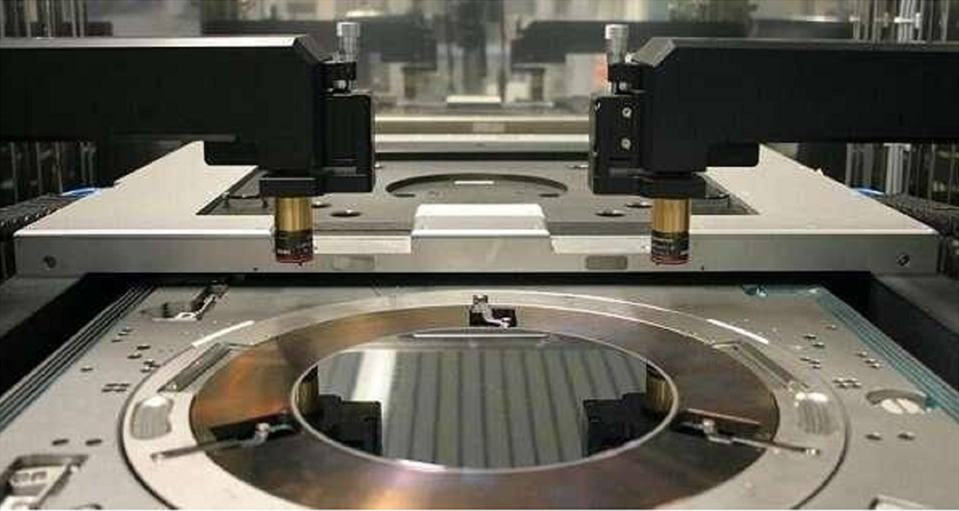
If you’re working with carbon nanotube (CNT) fabrication, you know the drill. You need those high-intensity infrared lamps to hit exact temperature ramps. But here’s the problem: when you’re pushing these things hard in a high-load production environment, tubes can rupture. It’s a nightmare scenario. A quartz envelope bursts, glass shards and chemical gunk rain down on your silicon wafers, and just like that, your yield is gone. Why do these tubes actually fail? Usually, it comes down to thermal stress or a nasty electrical arc at the pinch seal. To stop this, we use high-purity synthetic quartz. It has a low coefficient of thermal expansion, which is a fancy way of saying it can take a beating during rapid heating and cooling without just snapping. We also obsess over the filament tension. If the filament sags, you get hot spots. Those hot spots weaken the glass wall until it finally gives up. Stopping the debris We don’t just hope the glass holds; we plan for when it doesn’t. We use a dual-layer setup to keep your wafers safe. First, there’s a protective sleeve or a shatter-resistant coating. If the inner lamp pops, the sleeve catches the fragments before they can travel. Then, we throw in reinforced end-caps and connectors that fit perfectly, so the lamp doesn’t shift around when things start vibrating. The reality of the trade-off Here is the thing: you need high wattage for fast CNT growth. But that puts a massive strain on the quartz. You can’t just run these lamps at 110% forever and expect them to last. It’s just not how the physics works. To keep everything stable, you’ve got to get your cooling airflow right. If the ends of the tube don’t stay cool, the temperature difference becomes too much and the glass will eventually snap. Our heaters are designed to drop right into your standard IR arrays. But the real value is in that safety housing. It’s the only thing standing between a single blown lamp and a ruined batch of wafers.