


Cutting Carbon in Clean Rooms with Infrared
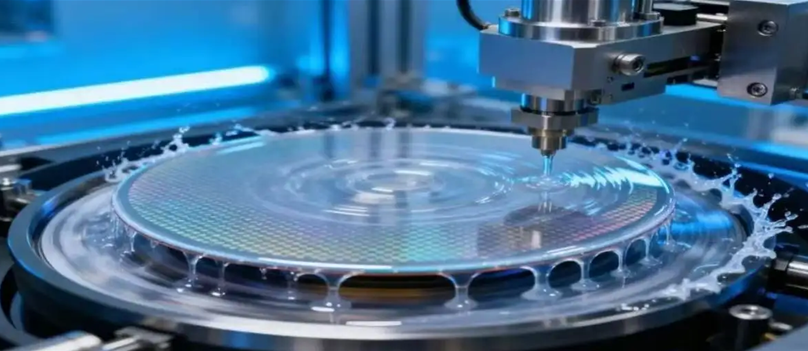
If you’ve spent any time in semiconductor fab, you know the deal with traditional convection ovens. They’re energy hogs. Why? Because they spend a massive amount of power just heating up all the air in the chamber before the wafer even feels a thing. It’s a waste. We’ve found a better way. Instead of heating the air, we use infrared (IR) heating to hit the wafer or substrate directly. It’s a simple shift, but it drops the energy load and shrinks the facility’s carbon footprint in a big way. How it actually works Think of it like stepping into the sun on a cold day. You don’t wait for the air around you to warm up; you feel the heat on your skin instantly. IR heaters do the same thing with electromagnetic radiation. No more waiting around for a “warm-up” period. Because the energy goes straight to the target, you use way fewer kilowatt-hours per cycle. Less power means fewer emissions. Period. The clean room reality Of course, you can’t just throw a heat lamp in a clean room. Outgassing and particles are a nightmare. To keep things pristine, we wrap everything in high-purity quartz. It keeps contaminants far away from the process zone. Since these systems usually handle large substrates, we run them on high-voltage setups to keep the heat dense and consistent. One tip: you have to get the wavelength right. Whether you go with short, medium, or longwave depends on your material. Shortwave IR digs deeper into the substrate, which makes the bake-out process move a lot faster. The trade-offs (because nothing is perfect) Now, IR isn’t a magic wand. While you’re saving energy on the heating element, those high-density lamps put out some serious localized heat. If your chassis and cooling manifolds aren’t up to the task, you’re going to feel that “heat soak.” If the cooling is too weak, your sensors will start to drift, and that’s where things get messy. The secret is in the zoning. We divide the oven into independent IR zones. This way, you aren’t pumping heat into areas that don’t need it. That’s where the real carbon savings happen—by only using power exactly where and when it’s needed.