
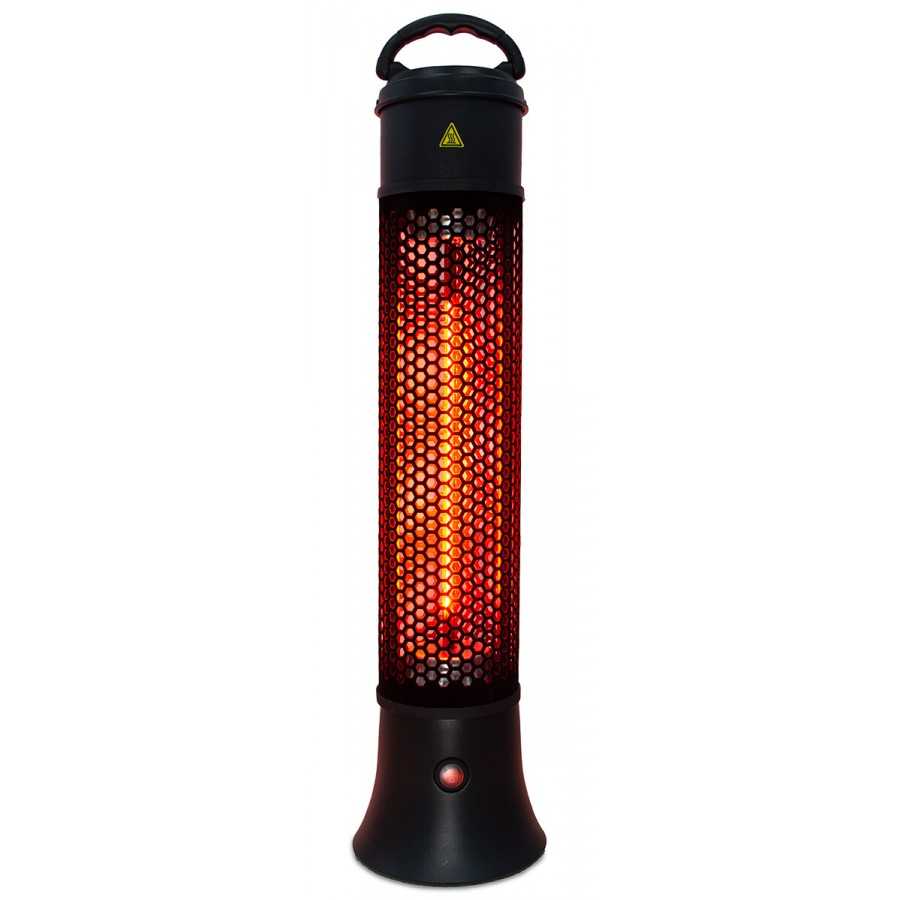
A light layer of dust on an infrared patio heater isn’t just an eyesore—it quietly drives your energy use up. On a cool evening, that translates to longer run times, the element straining more than it should, and a patio that ends up costing you more than it needs to.
What’s actually going on, technically
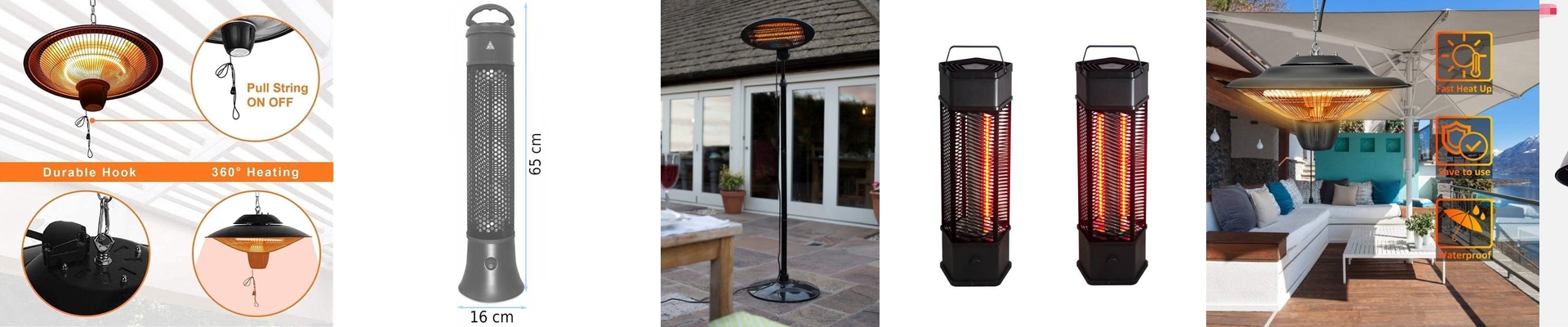
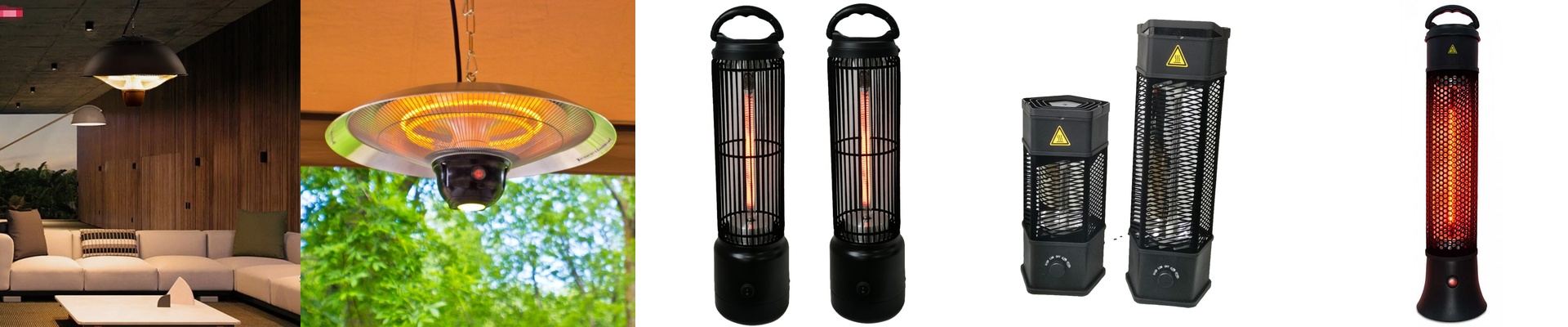
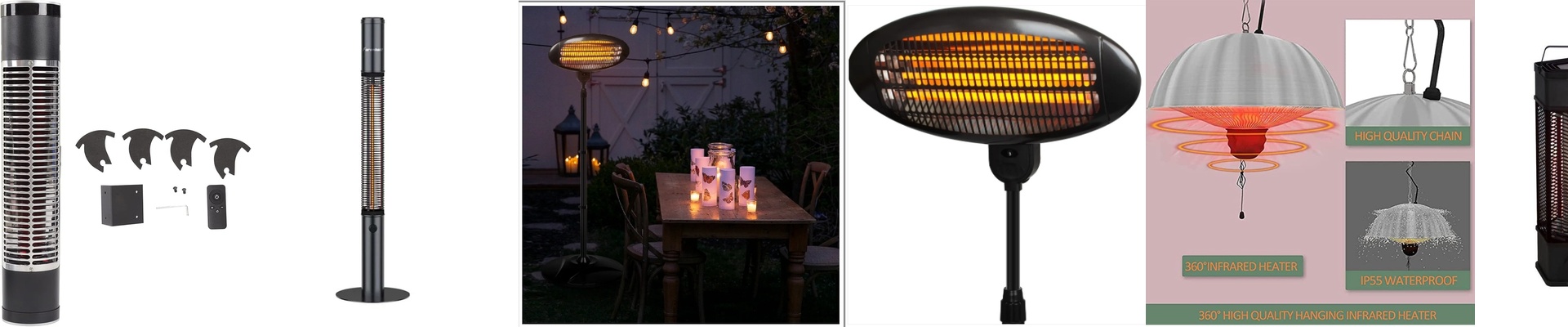
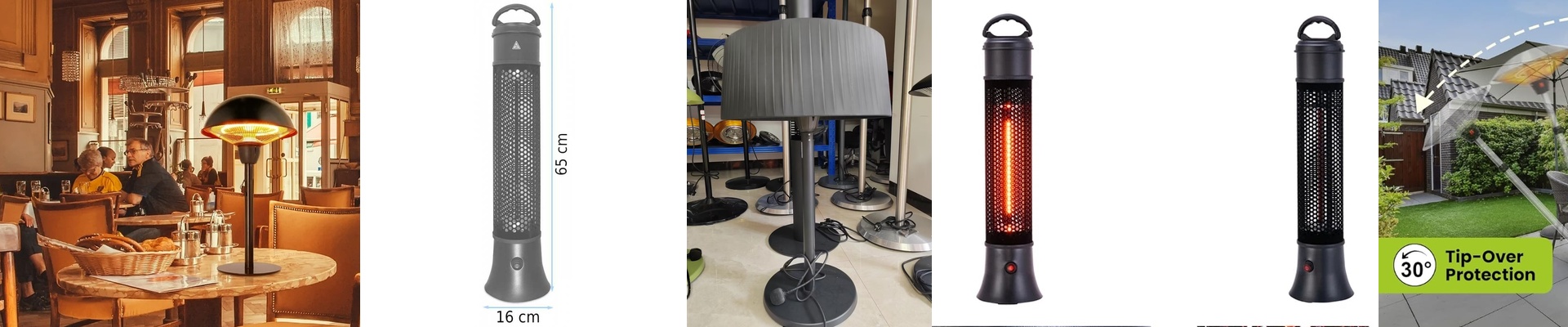
A wall-mounted infrared patio heater warms by radiating heat straight to people and objects, instead of trying to heat the air around them. Most models use a carbon fiber element or a quartz tube to deliver short-wave or medium-wave infrared warmth, which means fast heat-up and targeted comfort where you want it. Typical units run on standard 120V or 240V circuits, with outputs scaled for everything from a small patio to a larger deck. Look for a sealed build with a real IP rating for outdoor resistance, plus a thermostat for steady temperature control and built-in safety like tip-over protection.
Why cleanliness matters in the real world
When the heater is clean, infrared energy transfers efficiently—so you feel warmth faster and the thermostat cycles less. That means fewer run hours for the same comfort, and that can show up as lower energy use. Regular upkeep also fights corrosion and reduces stress on the element, helping the heater hold its output season after season. In practice, you get fewer cold spots, more consistent comfort, and a patio that stays usable when the temperature dips.
The details that bite you if you ignore them
Installation matters. Mount the heater on a solid, stable surface with the proper clearances, and run it on a dedicated circuit so you don’t overload anything. Keep it well away from combustible materials, and follow the wiring instructions—especially for 240V connections. Plan for access. If you can’t reach the unit easily, cleaning and inspection become a chore you’ll skip. In very wet, coastal, or heavily salted air, go with a model that has a higher IP rating and plan to check connections more often.