


The Truth About Wiring Your Semiconductor Heaters for a Greener Fab
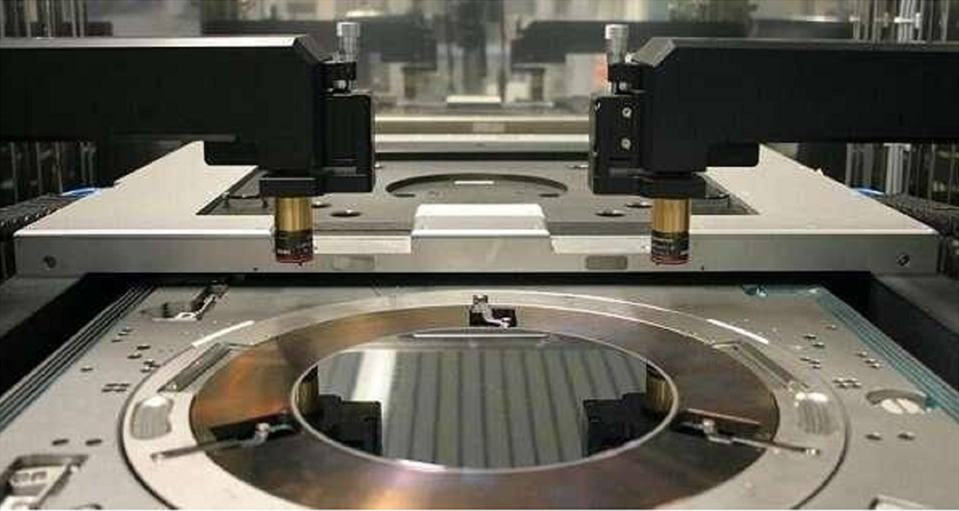
If you’re trying to cut carbon in a semiconductor fab, just swapping in infrared (IR) lamps isn’t enough. You can’t just drop in the tech and hope for the best. The real headache is the infrastructure. If your wiring can’t handle the heat density, you’re just leaking energy or waiting for a component to fry. That’s why PTFE (Teflon) wiring isn’t just a “nice to have”—it’s a must. Dealing with the Heat Here’s the thing: IR systems are great because they heat the wafer directly, leaving those old resistive ovens in the dust. But they create these intense, localized hotspots. If you use standard PVC or silicone wires, they’ll melt. Worse, they’ll off-gas, which is a nightmare for your cleanroom and a fast track to a short circuit. PTFE stays steady up to 260°C. It keeps the power moving exactly where it needs to go—into the heating element—without bleeding energy into the surrounding air. Saving Space (and Airflow) When you’re wiring up for 300mm wafers, space is always tight. It’s a squeeze. Because PTFE has such thin insulation, the wires are slimmer but can still handle the voltage. This is a huge win. More open space means better airflow around the heater, which means your cooling fans don’t have to work nearly as hard. It’s a simple physics win. The Catch Now, it’s not all perfect. PTFE is stiff. If your tool has moving parts or you’re constantly in there for maintenance, you have to be careful. You can’t just bend these wires at sharp angles, or they’ll fatigue and crack. You’ve got to get the bend radius right during the build, or you’ll be replacing wires way sooner than you’d like. At the end of the day, moving to IR systems is a great way to shrink your energy footprint. Using PTFE wiring just makes sure you actually keep those gains instead of losing them to downtime or electrical waste. It’s the practical move for anyone who wants to hit those carbon targets without the tool constantly breaking down.