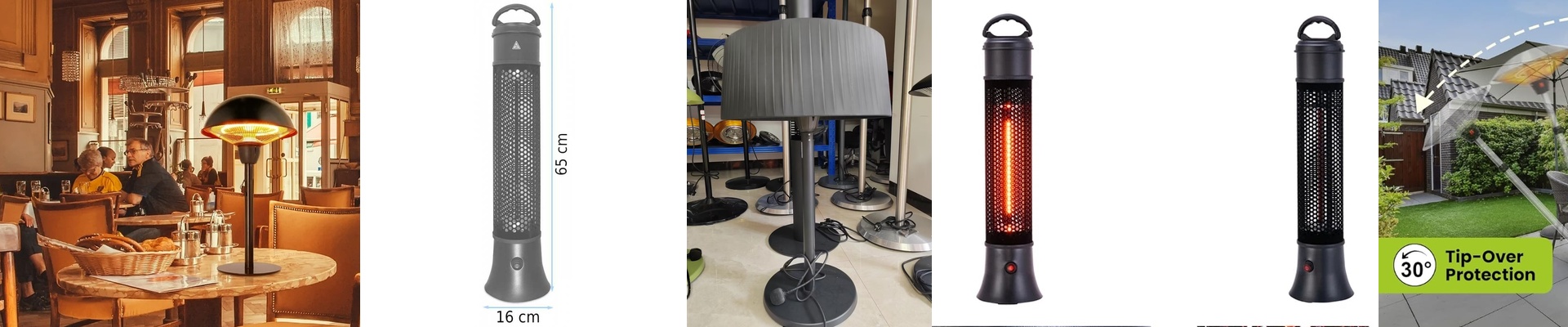

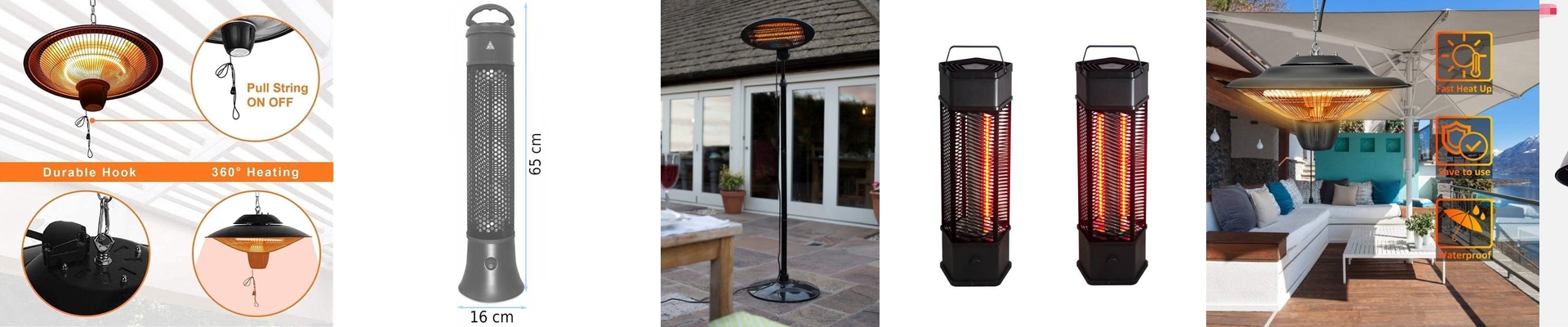
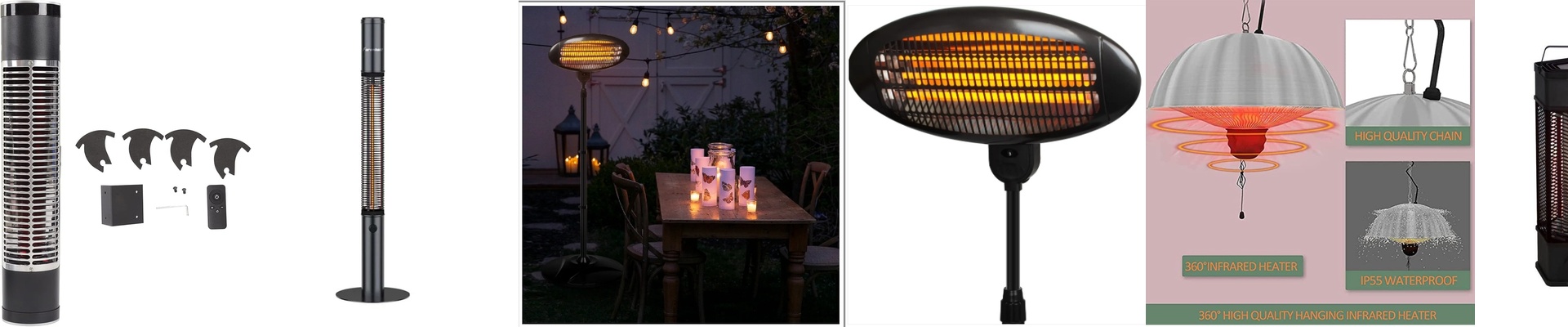
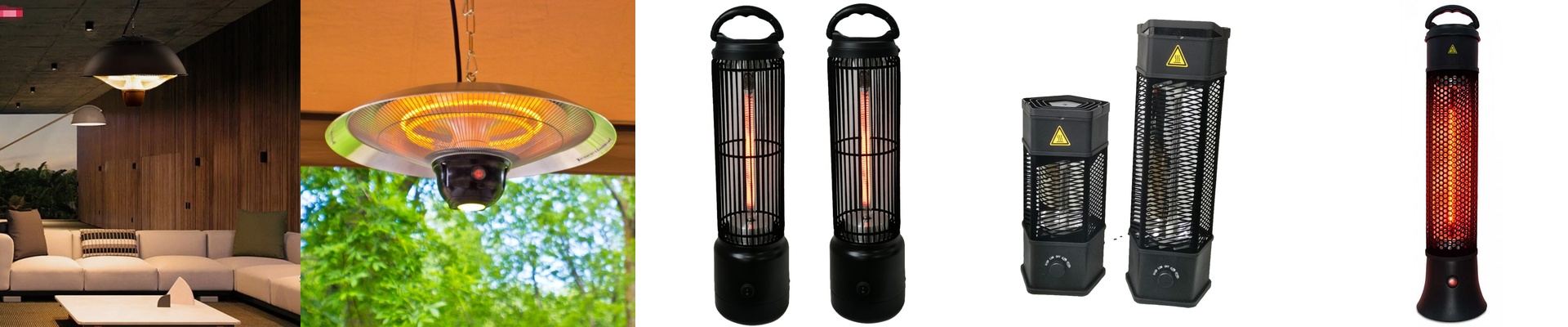
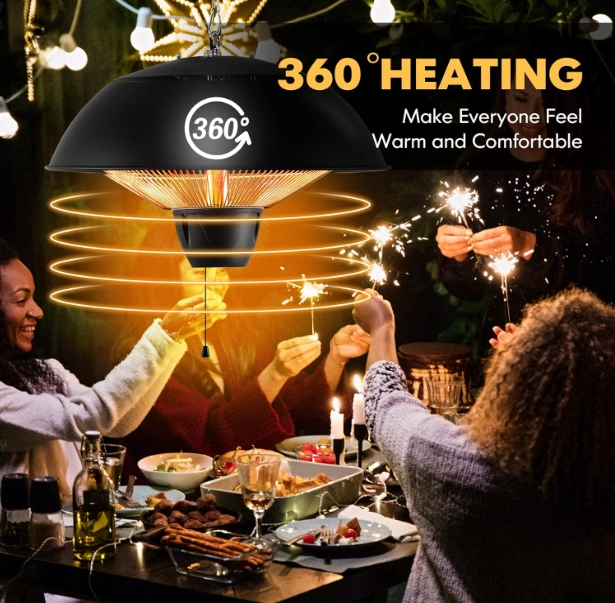
Cold corners aren’t just drafty—they settle in your bones. You feel it while you work, read, or try to unwind, and your whole pace slows down. A compact room heater that puts warmth where you need it cuts through that without turning the whole house into a sauna.
What’s going on under the hood
We built this around infrared radiant heat. That means the warmth goes straight to people and objects, instead of wasting time heating air that immediately slips away. The carbon fiber element comes up fast, hits output quickly, and keeps glare low. The footprint is small enough to live on a desk, beside a chair, or under a workbench without getting in the way. It’s rated for standard 120V outlets and pulls a modest current—ideal when you want localized comfort, not a full-house reheat. The adjustable thermostat helps you hold a steady temperature, so you’re not constantly chasing spikes and dips. On the safety side, tip-over protection shuts the unit off if it gets knocked over, and the exterior stays cool to the touch during normal operation.
Why this approach makes sense
In a small bedroom, finished basement, or sunroom, big heating systems tend to run longer than they need to. You end up wasting energy while the space right around you stays cool. This heater focuses on the zone you’re actually in, so you feel cozy sooner and keep running costs in line. Indoors, that direct infrared warmth is easier on comfort when you’re reading, crafting, or stretching. Muscles loosen up, and the air feels steadier—no harsh, drying blasts. It’s the kind of heat you notice the minute you step into it, and the size makes it simple to move wherever the day takes you.
A few practical notes
Because infrared heats people and surfaces directly, the air farther away can still feel cooler.For the best results, position the heater within a few feet of where you’re sitting. This unit is designed for indoor use in dry environments. If you need something for bathrooms or covered outdoor spots, pick the model that’s rated for those conditions. Keep the heater clear on all sides for proper airflow, and use a dedicated outlet—don’t share the circuit with heavy appliances.