


Stop Wasting Heat: Why Gold Reflectors Actually Matter
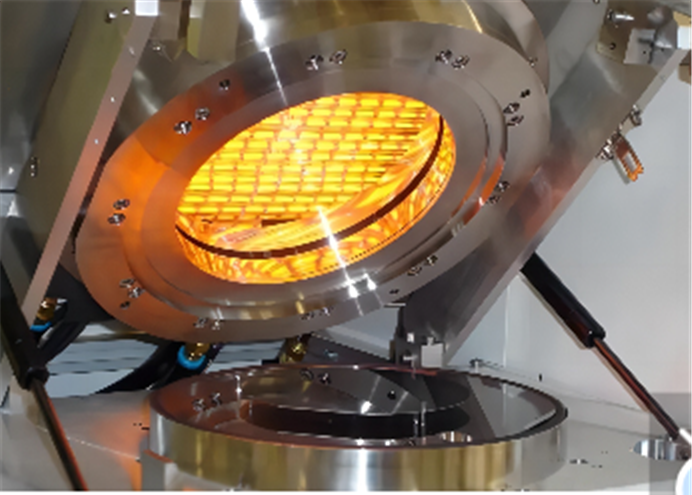
If you’ve spent any time in a clean room, you know the struggle of getting a wafer to the right temperature without making a mess of your energy efficiency. Here’s the problem: a standard IR lamp throws heat in every single direction. It’s a 360-degree blast. Without a reflector, half of that expensive power is just leaking into your bench housing. It’s a waste. That’s why we use gold-coated reflectors. They basically act like a mirror, flipping all that wasted energy right back onto the wafer where it belongs. Why gold? Sure, aluminum is cheaper. But aluminum drinks up too much of the infrared spectrum. Gold is different. It bounces back up to 98% of IR radiation. What that means for you is more heat on the target without having to crank the wattage. Plus, it keeps the rest of your gear from overheating, which is a win for everyone. The “Hotspot” Warning When you focus a beam like this, you’re cranking up the heat flux. You’ll hit your target temperatures way faster, and your cycle times will drop. It feels like a cheat code for productivity. But there’s a catch. Because the heat is so concentrated, you’ve got a high-intensity hotspot. If your lamp is off by even a couple of millimeters, you’re asking for trouble. You could end up with uneven heating or, worse, you’ll just burn out the center of your wafer. Take your time during installation. Get that focal point dialed in perfectly. Keeping things clean These lamps are designed to be simple drop-in replacements for your existing benches. We use high-purity quartz so you don’t have to worry about outgassing contaminating your work. We also vacuum-deposit the gold layer, so it won’t flake off as the lamp heats up and cools down. Just a heads-up on maintenance: gold is picky. If you go in there with aggressive solvents while cleaning your bench, you’ll strip that coating right off. Once that happens, your efficiency goes down the drain. Stick to the approved clean room wipes. If you set them up right, you get more energy into the substrate while keeping your total power bill low. It’s just smarter physics.