


Making Your Clean Room Thermal Process Actually “Smart”
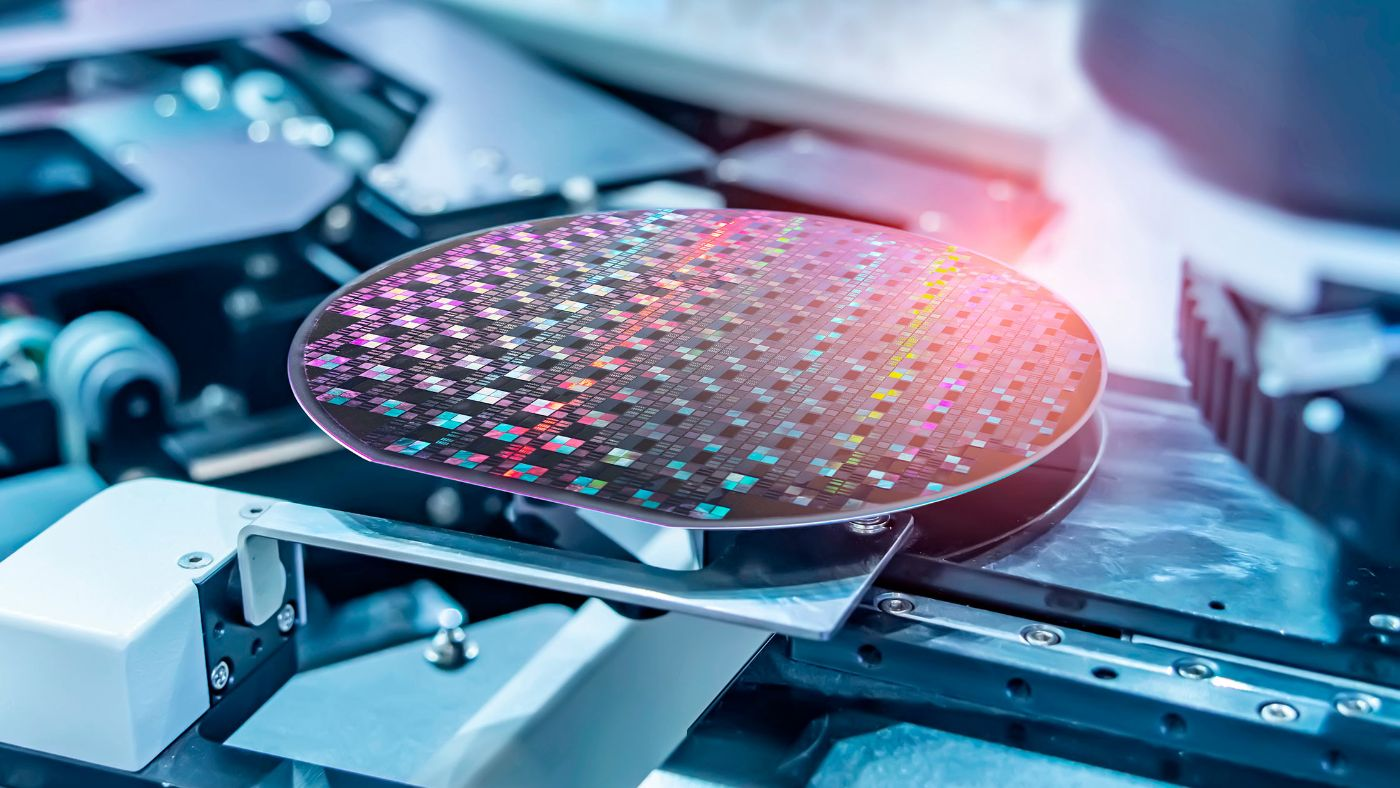
If you’re trying to drag a semiconductor fab into the Industry 4.0 era, you’ll quickly realize it takes more than just installing some fancy new software. You need hardware that actually plays nice with your data. Here’s the problem: old-school convection heating is just too slow. It’s clunky. In a clean room, relying on air to move heat is a gamble because it messes with your laminar flow and risks kicking up contaminants. That’s why we lean on high-efficiency infrared (IR) systems. They use direct radiative heat. No air medium, no fuss, and way less risk. The magic of real-time control A “Smart Fab” is really just a fab that uses its data. Since IR systems react almost instantly, they’re a perfect fit. When you hook these up to a PLC with PID control, everything changes. You aren’t guessing anymore; you’re seeing the thermal profile happen in real-time. We’re talking about modulating power in milliseconds. Compare that to resistive heaters, which have this annoying thermal lag. With IR, your wafer temperature ramps are tight. That means less scrap hitting the bin during those nerve-wracking curing or bonding phases. It’s a huge relief. Saving some breathing room Clean room floor space is ridiculously expensive. Every inch counts. IR emitters give you a ton of heat in a tiny package. And if you go with short-wave IR, you can actually push the heat source further back from the substrate without losing energy. It gives you some much-needed elbow room for your sensors and robotic arms to do their thing. The reality check (The trade-offs) Now, it’s not all sunshine. High-density IR systems are power-hungry. If you’re planning a high-wattage array, double-check your electrical panels. You have to be ready for that initial inrush current, or you’ll be tripping breakers all day. Then there’s the waste heat. Even though IR is targeted, the chassis still gets hot. If your HVAC isn’t beefy enough to soak up that extra load, your ambient temperature will start to drift, and you’re right back where you started. But once you get that sorted? You stop “setting and forgetting” your heaters. Instead, you get a production line where every single thermal cycle is logged, verified, and tucked away in your data.