

Stopping the Heat Leak: Waterproof IR for Your Rinse Cycle
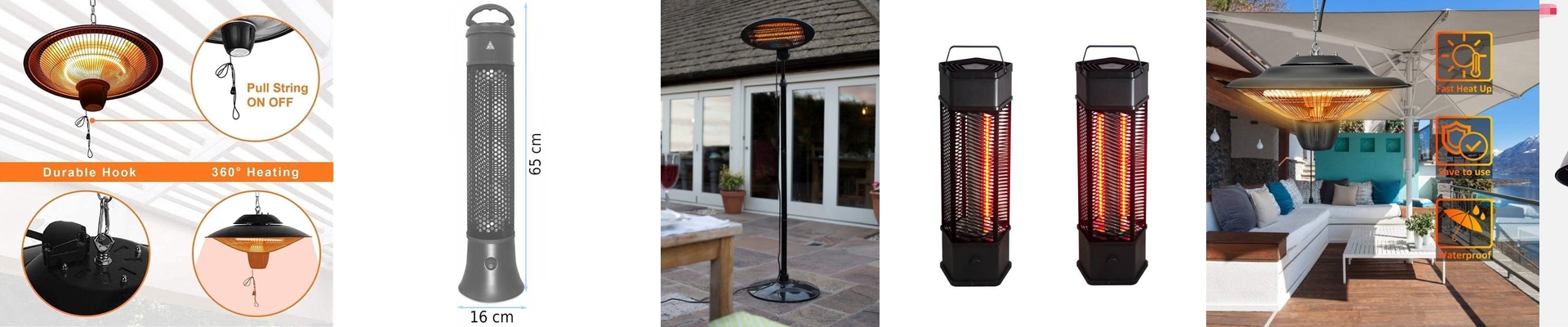
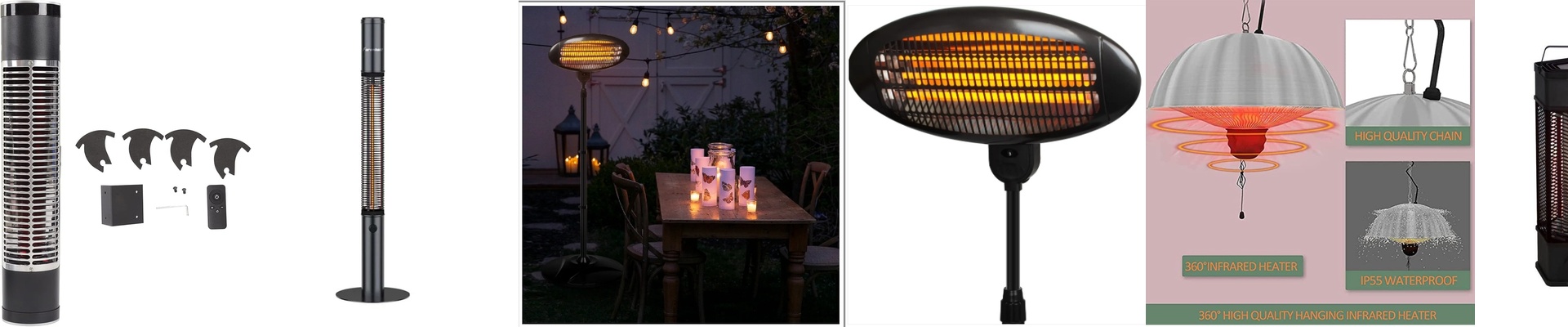
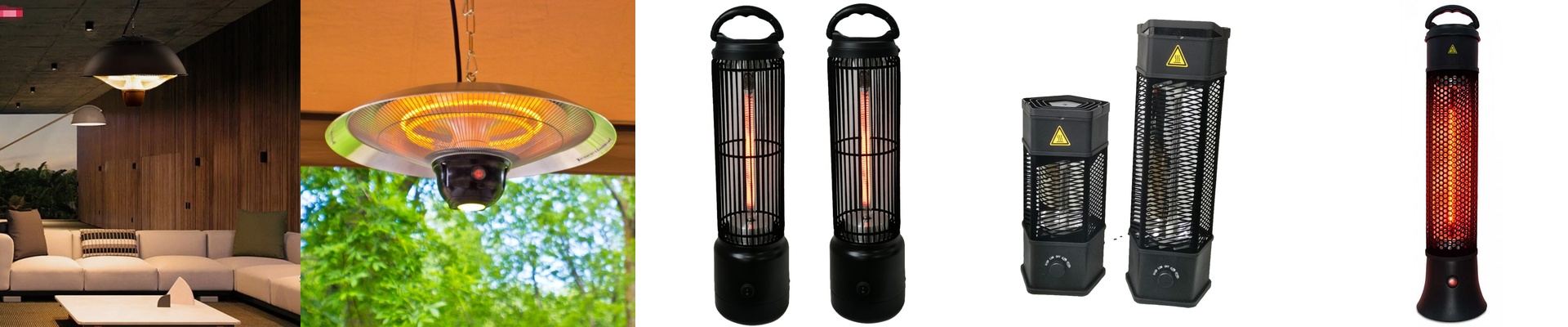
Let’s be honest: the rinse stage in a Fab plant is usually where thermal energy goes to die. You spend all this effort getting your substrates to the right temperature, only to watch that heat vanish the moment they hit the water. That’s why we use waterproof infrared (IR) lamps. They let us grab that heat back and keep things steady, all without worrying about a stray splash causing a massive electrical short in a wet zone. Why IR? Because it’s fast. We go with high-wattage lamps because they hit hard and hit fast. If you’re running a digitalized line, you can’t afford to wait around for a heater to warm up. The beauty of IR is that it doesn’t bother with middle-men. It doesn’t need to heat up air or oil first; it just beams energy straight into the part. This is a huge win for your floor space. You get a ton of heat in a tiny footprint. It’s efficient. Simple. Dealing with the damp Standard IR lamps and rinse water don’t mix. At all. One splash or a bit of chemical vapor and you’re looking at a burnout. To fix that, we wrap these units in industrial-grade waterproof housings and use specialized connectors to keep the moisture out. Since they’re sealed tight, you can actually tuck the heat source right up against the rinse zone. And if you’re running a smart setup, these plug right into your PLC. You can watch the power draw in real-time and tweak the wattage based on how fast your wafers or panels are moving. It stops you from cooking the parts, which saves on your power bill and keeps the lamps from burning out too early. The catch (because there’s always one) Here’s the thing: high-density IR puts out a lot of ambient heat. If you cram these lamps too close together in your layout, your HVAC system is going to struggle. You’ve got to find that sweet spot between lamp wattage and your facility’s cooling capacity. If you ignore the cooling, your sensors and electronics will start to sweat. And when the gear gets too hot, things start breaking. It’s a trade-off, but as long as you plan for the airflow, it works like a charm.