
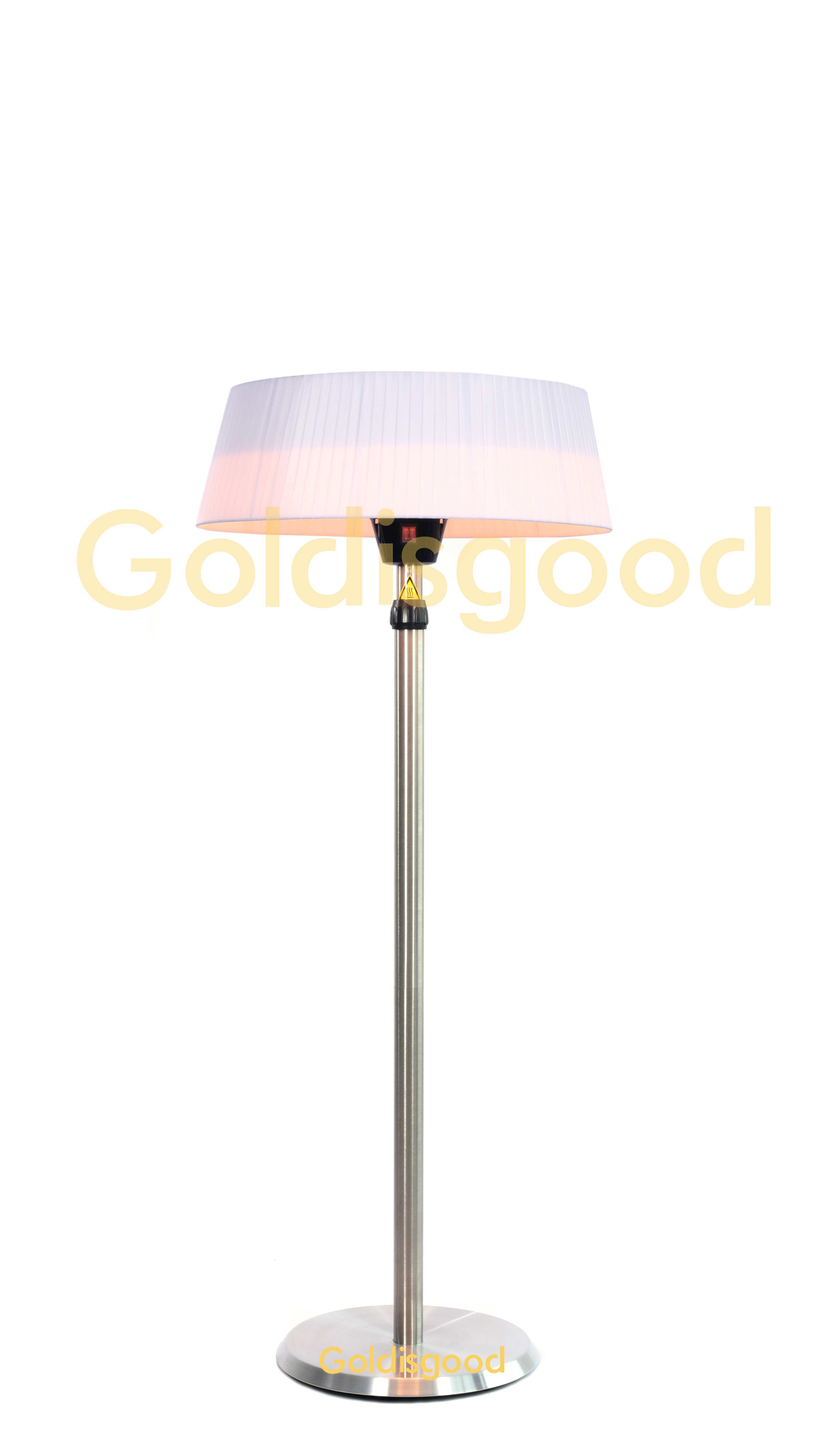
Voltage swings don’t come with a warning label. One night the line is solid, the next it’s dipping or spiking—especially in outdoor and semi-outdoor setups where the wiring is long and conditions shift fast. For an infrared electric heater, that instability isn’t just a nuisance. It forces the element and electronics to work overtime, heat unevenly, and wear out sooner. The payoff is flickering cycles, more service calls, and a patio or workshop that feels unpredictably warm right when you need it.
What actually matters under the hood
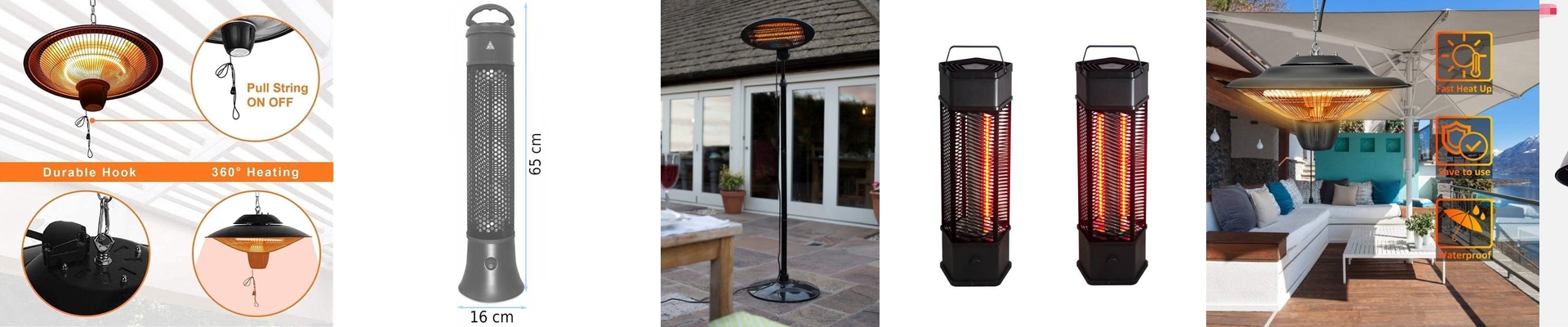
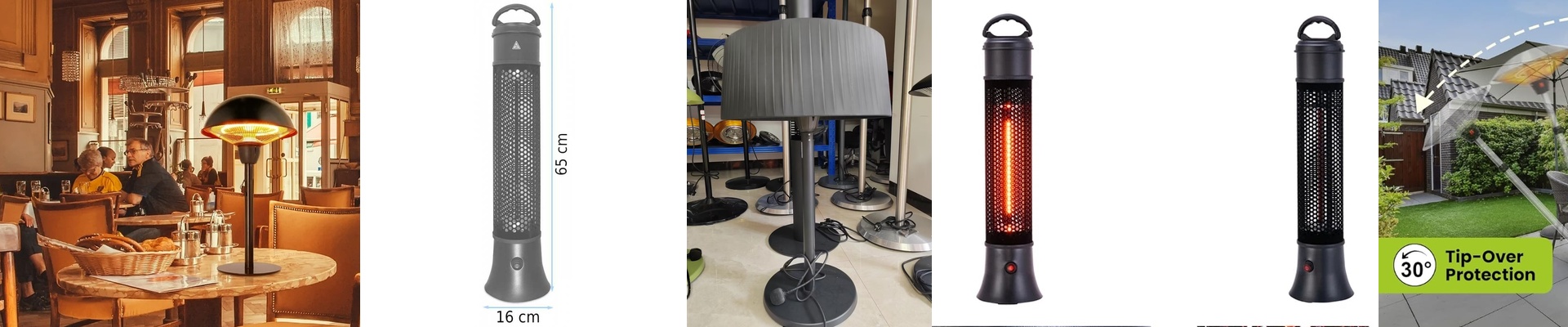
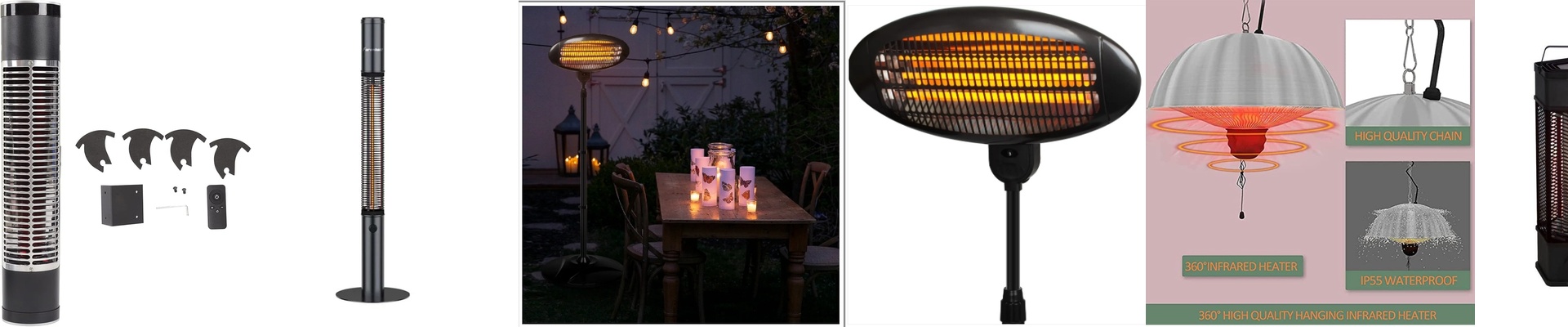
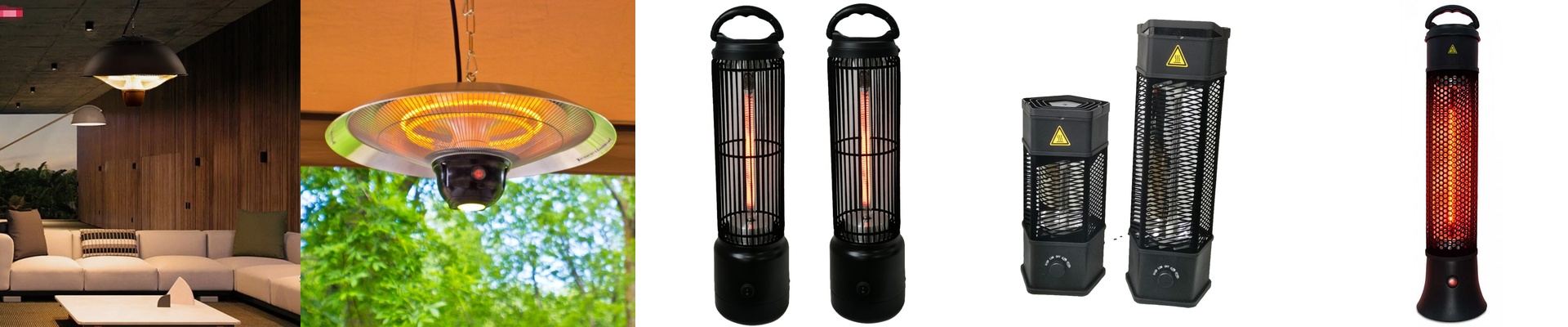
We build our custom electric heaters around radiant infrared warmth, using a high-efficiency element paired with a voltage compensation circuit. When supply voltage drops, the circuit holds power steady so the element temperature doesn’t budge. When voltage surges, it clamps the excess energy to protect the core. That matters because infrared heat is all about surface temperature—keep it stable, and you get stable output, consistent comfort, and less thermal stress. The heater runs off a standard electric supply, and we size the internal path to handle typical fluctuations without losing performance. A built-in thermostat keeps the space at the set feel, while tip-over protection and a sealed housing keep operation safe. For outdoor use, go with the IP-rated versions built to shrug off rain and wind.
Why this approach holds up in the real world
Outdoor heating works best when it fades into the background—no fuss, just warmth. With voltage compensation, the heater stays steady through the small grid shifts that tend to show up at dusk, when neighbors’ loads change, or when a long extension run meets a gusty night. You get even infrared warmth across a seating area, a quicker warm-up, and fewer temperature swings. For businesses, that translates to more consistent guest comfort and fewer interruptions. For homes, it means the patio stays a true extension of the living room, even when the weather turns.
Practical notes that save headaches
Match the heater to the circuit and keep the line as short and well-grounded as you can. Very long extension cords add resistance that can change how the compensation circuit behaves, so we recommend plugging straight into a properly rated outlet. If you plan to run multiple heaters on the same circuit, check the total load. And while the protection circuit handles most spikes, extreme electrical storms can still deliver surges beyond normal levels—consider a whole-home surge protector for extra peace of mind.