
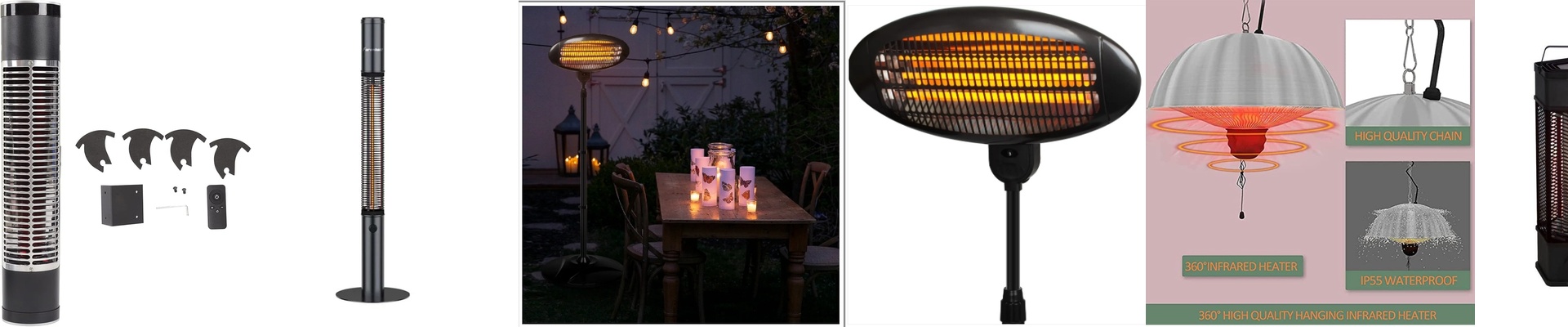
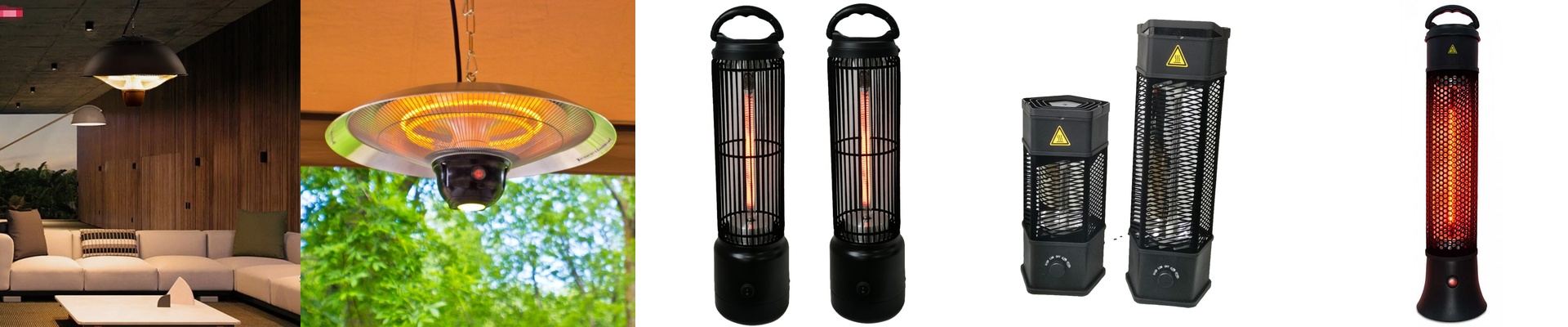
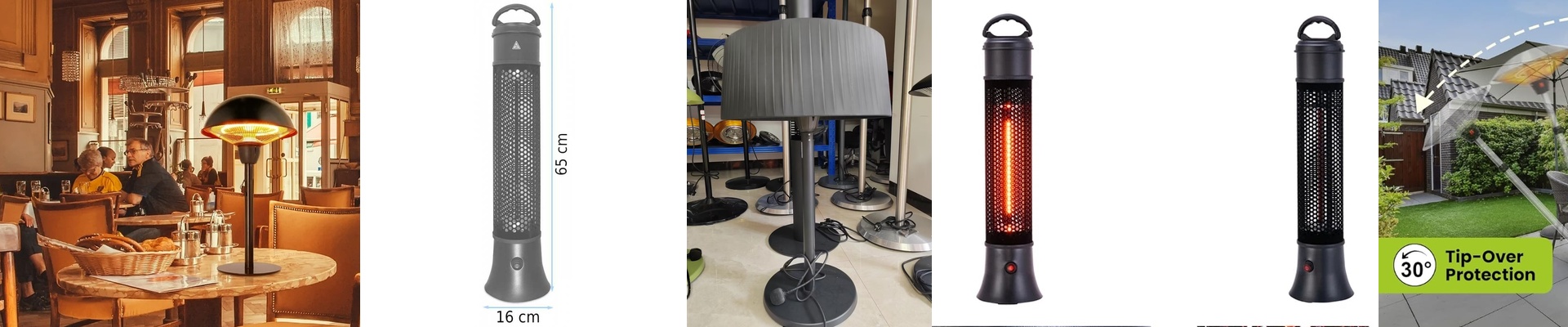
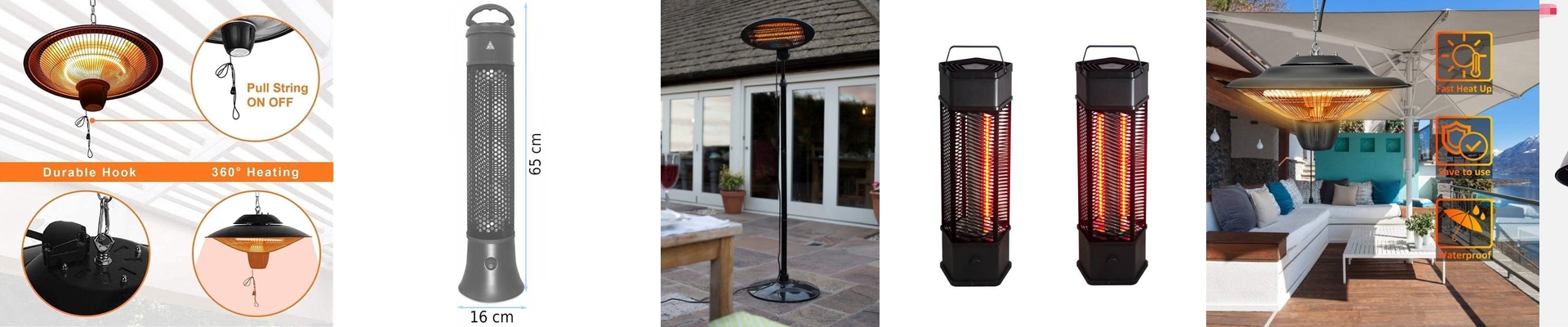
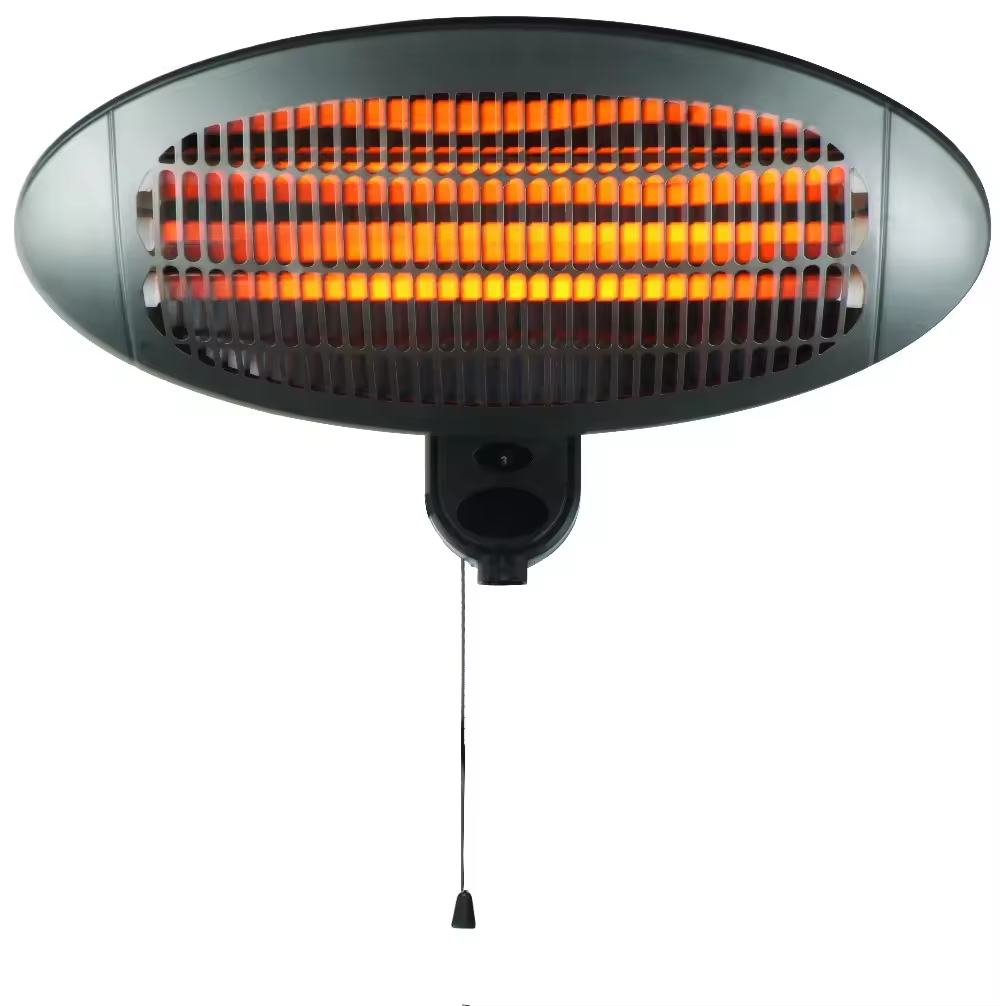
Energy costs keep climbing, and every degree on the thermostat starts to feel like a negotiation. You shouldn’t have to choose between comfort and the bill—especially when the cold settles in. A smart electric heater that leans on infrared warmth gives you a practical way to heat only the spaces you actually use, when you use them. The payoff is a home that feels cozy without the meter spinning out of control. Here’s what matters under the hood. Infrared heat starts at the element. In our smart electric heaters, a carbon fiber or quartz emitter turns electricity directly into radiant heat. It warms people and surfaces first, not the air. That means comfort hits fast, and there’s less heat loss along the way. The controls keep things tight: an adjustable thermostat, multiple heat settings, and programmable timers so you can match heat output to occupancy. Safety is built in—tip-over protection shuts the unit off if it gets knocked, and overheat protection cycles the heater to prevent runaway temperatures. For outdoor use, look for an IP rating that tells you the heater can handle damp conditions. Why this approach makes sense right now. With energy prices rising, the real win is targeted heat. Instead of running the central system all evening, you can warm a living room, a sunroom, or a covered patio with a smart electric heater that delivers infrared warmth on demand. Because radiant heat warms objects and people directly, you often feel comfortable at a lower ambient temperature—and that can translate into real savings. Smart scheduling cuts the waste, so you’re not heating an empty room. You get warmth where you want it, when you want it, and the meter stays easier to live with. A few field notes to keep things working the way they should. Infrared electric heaters shine in draft-prone or open areas where air-based heating struggles. They perform best when aimed at seating areas and given a clear line of sight—objects can cast warmth-shadows. For indoor use, confirm the unit is rated for the room size and carries the right safety certifications. For outdoor use, verify the IP rating and make sure the power cord and plug are suitable for wet conditions. One practical point: because radiant heat is directional, coverage is strongest within the beam angle. That means positioning matters more than it does with convection heaters.