


Keeping Your Cleanroom Actually Clean: The Secret to Class 100 Heating
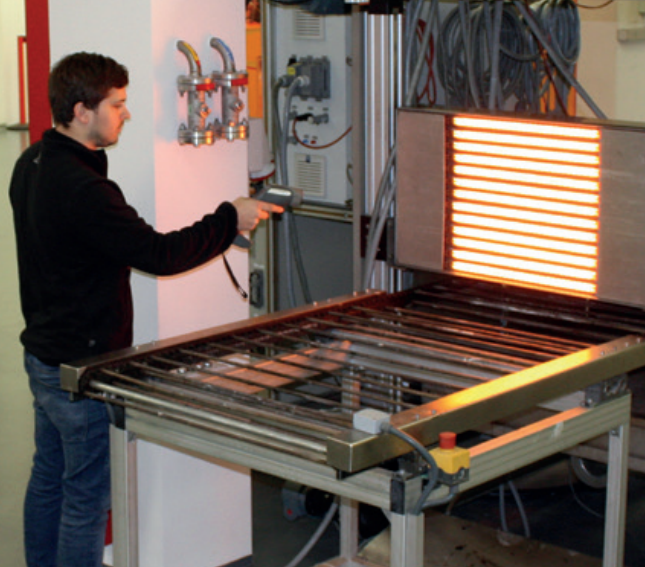
If you’re running a Class 100 cleanroom, you know the drill. There is absolutely no room for error. One tiny flake of debris or a bit of “outgassing” from a heating element, and your whole batch is toast. Most standard heaters just aren’t built for this. They tend to flake or shed microscopic bits of junk every time they heat up and cool down. It’s a nightmare. That’s why we use high-purity quartz twin-tube lamps with a gold coating. Why gold? It’s not just for looks. We add a thin layer of gold to the quartz to change how the heat moves. Standard quartz lets a lot of energy just drift away. But the gold? It bounces that infrared radiation right back toward your target. You get a much tighter, more intense heat on your workpiece. Plus, you aren’t pumping unnecessary heat into the room, which means your HVAC system doesn’t have to work overtime to keep things cool. The nitty-gritty on materials We stick with high-purity synthetic quartz. It’s a different beast than cheap glass—it won’t break down or start “smoking” when things get hot. We also use a twin-tube design. This basically doubles the filament surface area without making the lamp huge. You get the power you need without taking up a ton of space. A quick heads-up on installation These are designed to slide right into your existing curing or drying lines. We put a lot of focus on the seal between the quartz and the electrodes so nothing leaks out. But here is the thing:gold is picky. If your team touches the gold layer with bare fingers, the oils from their skin will actually burn into the coating the first time the lamp heats up. This creates “hot spots” that can kill the tube way sooner than it should. Please, make sure everyone uses lint-free gloves. Give them a quick wipe with isopropyl alcohol before you wire them up. It takes two seconds and saves you a massive headache later. Where this actually helps These lamps are perfect for when you need to ramp up the heat fast but can’t risk any airborne particles. Whether you’re processing semiconductor wafers or sterilizing high-end medical gear, the goal is simple: heat the part, not the air.