


Why IR Heating is Beating Hot Air in the Fab
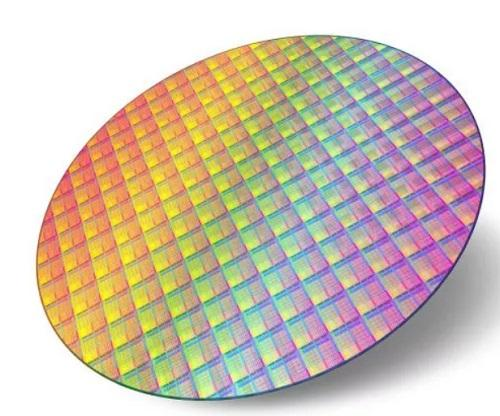
Most semiconductor lines still do things the old way: they heat up the air, and then they hope that air heats up the part. It’s a bit like trying to warm up a house by blowing a hair dryer into the hallway. There’s a massive lag. That’s why so many of us are moving toward infrared (IR) heating. It basically cuts out the middleman. Instead of waiting on the air, the energy hits the substrate directly. The real cost of waiting Think about the physics for a second. Hot air relies on convection, which is just a fancy way of saying it’s slow. You have to wait for the air to get hot, and then you have to wait for that heat to actually soak into the material. It’s a slog. IR lamps? They’re instant. You flip the switch, and the target responds immediately. When you’re running a high-volume fab, those seconds matter. If you can shave just 30 seconds off a heating cycle per wafer, you’re looking at thousands of extra units every single shift. That’s a lot of money left on the table if you’re still using air. Stop heating the whole room Here’s the other thing: air circulation systems are leaky. You lose a ton of heat through the ducts and the chassis. It’s a waste. With IR, you’re targeting. You put the energy exactly where the part is sitting. You aren’t paying to heat the entire cleanroom just to get one wafer to 200°C. Plus, the gear is smaller. You can actually fit more processing stages into your floor plan without feeling like you’re tripping over equipment. The catch (because there’s always a catch) Now, IR isn’t some magic fix for everything. Since the heat is so concentrated, things can go south quickly if your lamps aren’t aligned. You can end up with hot spots that ruin your parts. You’ll need tight PID controllers to make sure you don’t overshoot your temperature. And if you’re switching over from hot air, get ready to recalibrate your sensors. But the biggest headache? The cooling. Since you’re heating the part up so fast, your cooling stage has to keep up. If your cooling system is too weak, you’ve just moved the bottleneck from the start of the line to the end.