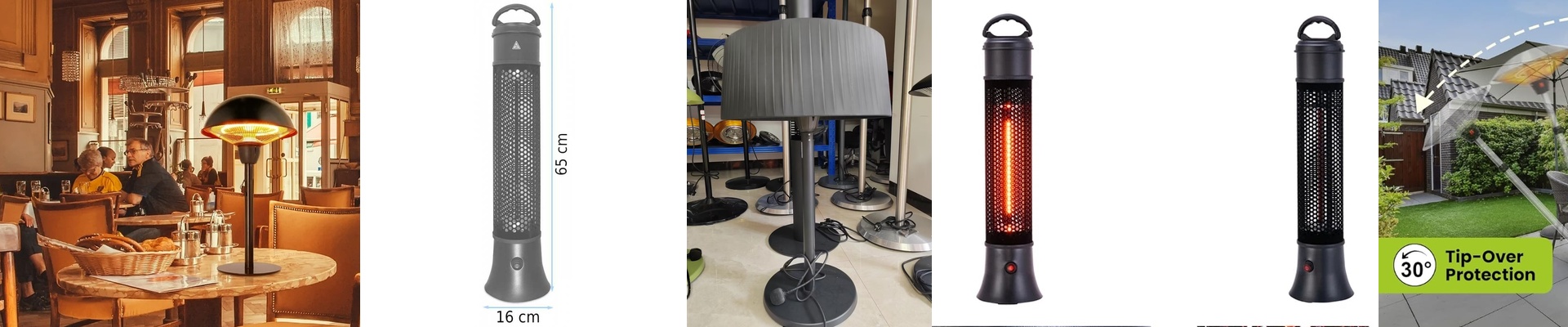

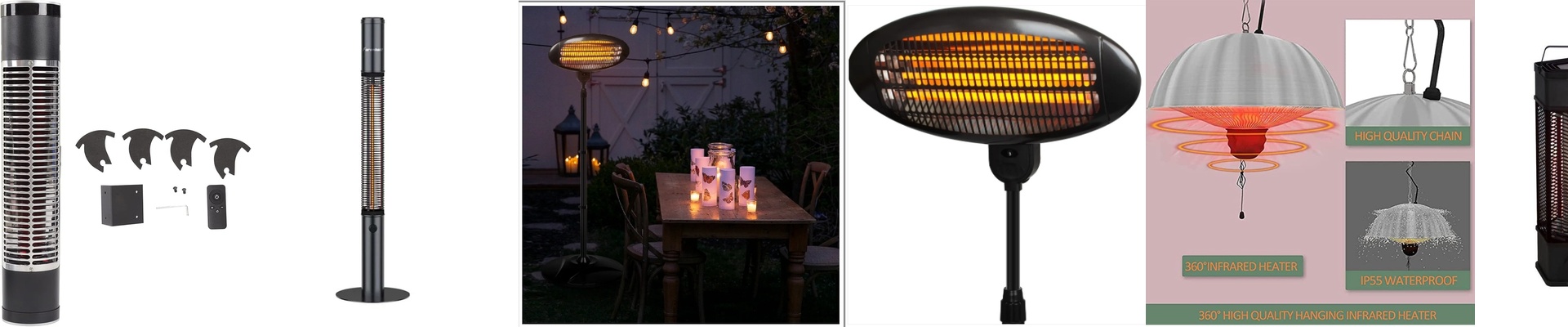
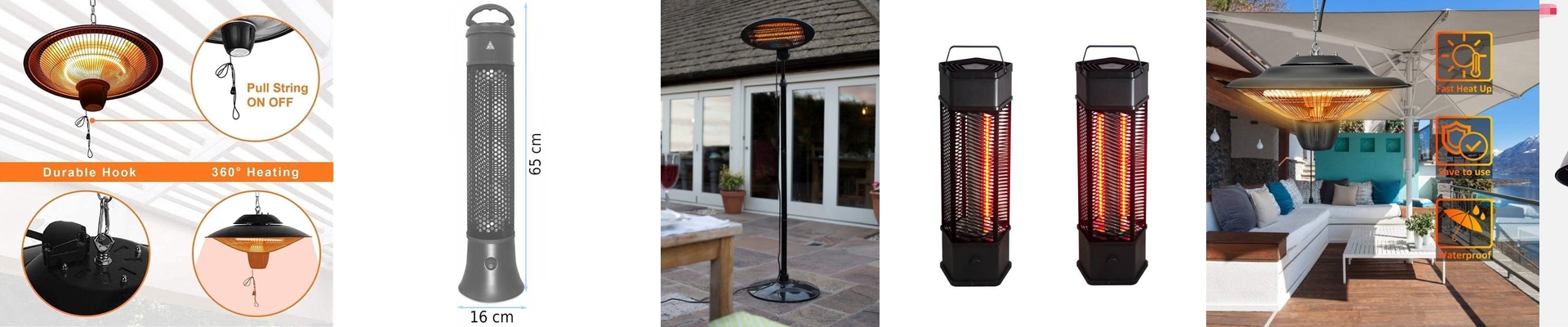
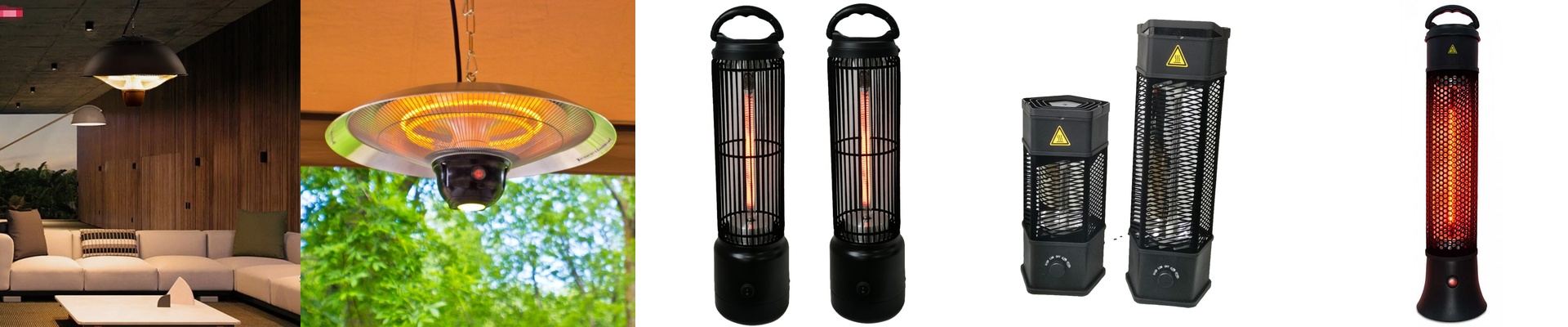
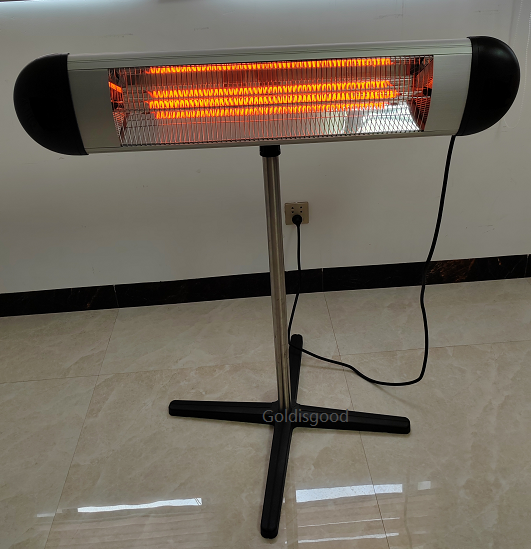
On the production floor, the worst call is the one that comes in on the coldest night of the year—customer says the heater just went quiet. We build our ceramic PTC infrared heaters to deliver steady, comforting warmth, and we treat reliability like a feature you can feel before you even plug in.
What matters under the hood
Inside each unit is a ceramic PTC element designed to self-regulate. As it heats up, its resistance climbs, which naturally caps current and keeps temperatures from running away. That behavior is why PTC heaters give even infrared warmth without the harsh hot spots you get with older coil designs. The payoff: quieter operation, a more consistent surface temperature, and less thermal stress that can cut lifespan short.
Why this holds up in the real world
Every heater gets a full-power, 100% load burn-in at the factory. Not a spot check. Every single unit runs at full rated load until it proves itself. That step catches weak solder joints, marginal parts, and early failures that standard sampling can miss. The result is straightforward: fewer warranty returns, fewer on-site failures, and a heater that starts strong and stays strong. For you, that means dependable outdoor heating, predictable energy draw, and a season spent enjoying the patio—not chasing down problems.
The practical details you need
Ceramic PTC heaters are self-limiting, so they’re very safe in normal use. But performance still depends on clean airflow and a stable power supply. Plug into an outdoor-rated, grounded outlet. Keep the heater well away from curtains, furniture, and moisture. Match wattage to your space. Undersizing feels weak; oversizing can be too intense up close. Give it a few feet of clearance, and you’ll get the even, radiant warmth that makes evenings outside feel effortless.