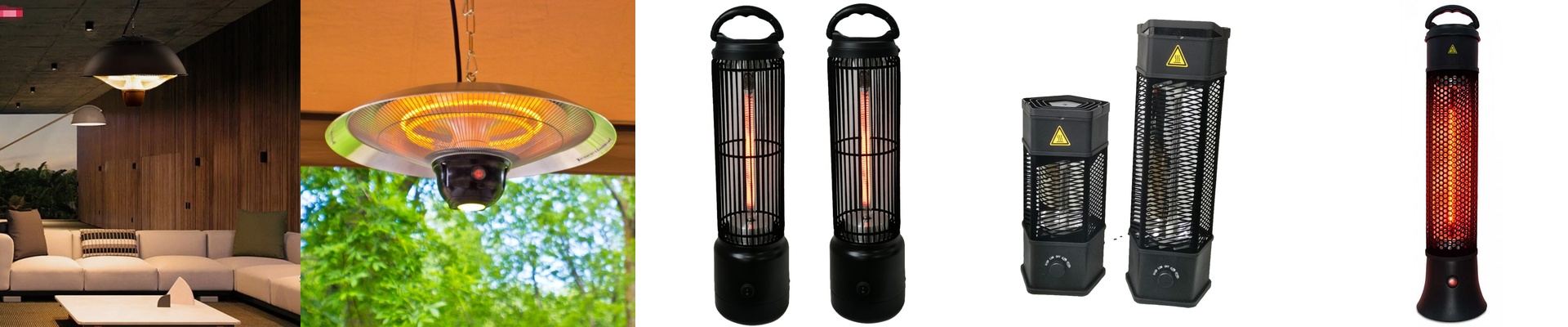
Stop Heating the Ceiling: A Smarter Way to Warm Your Shop
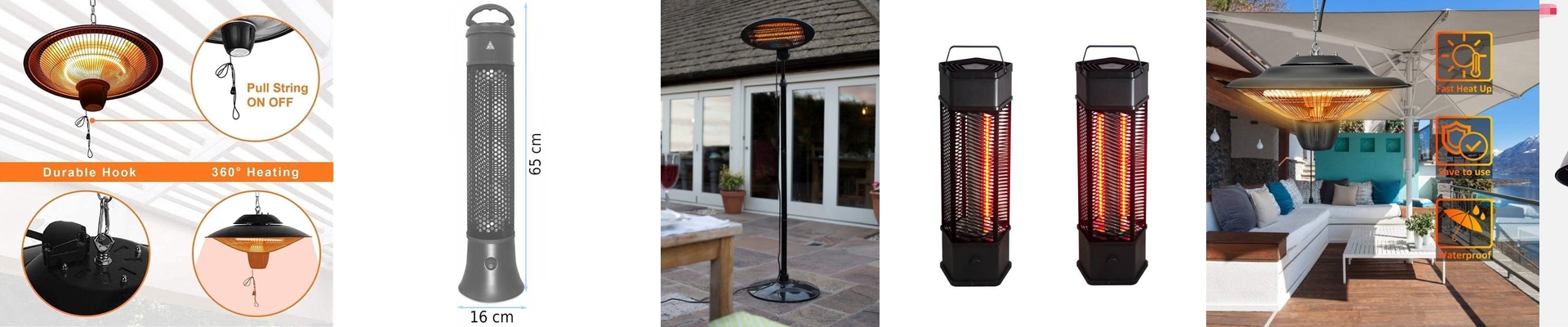
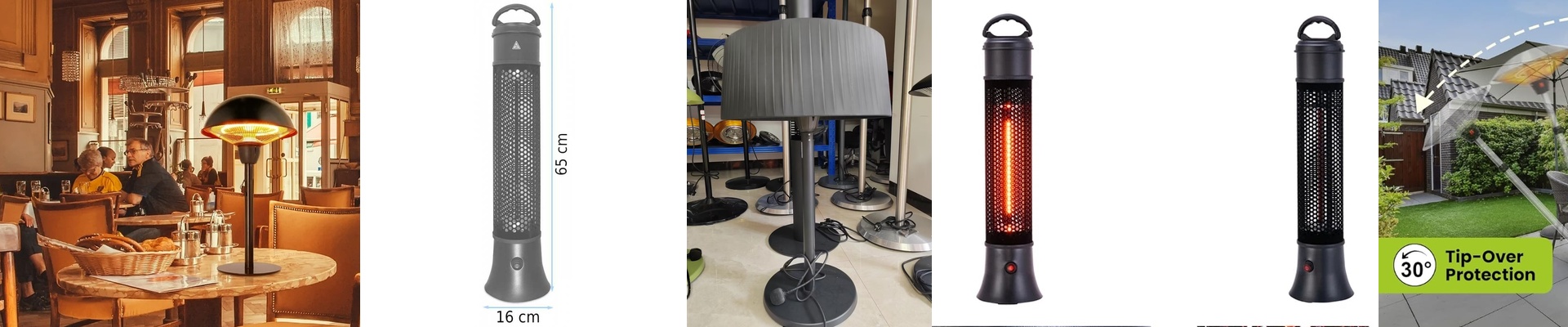
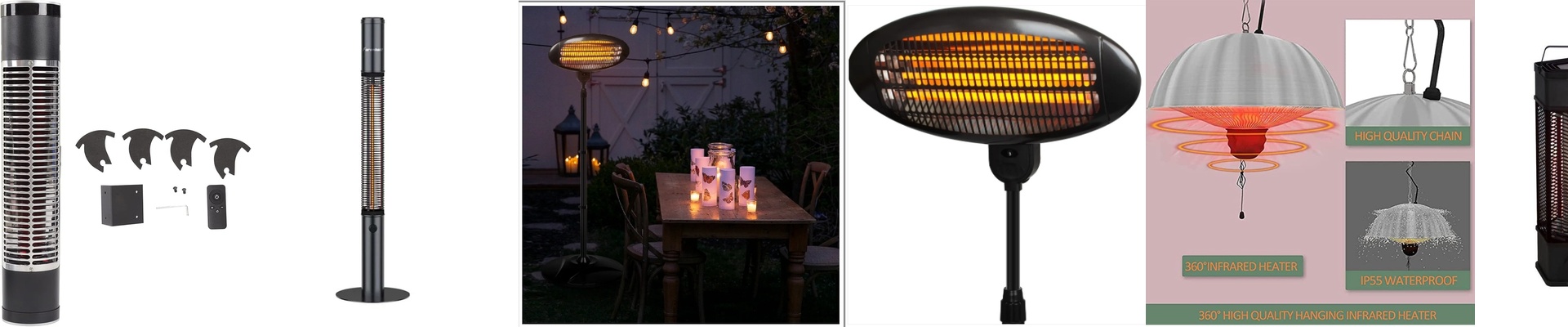
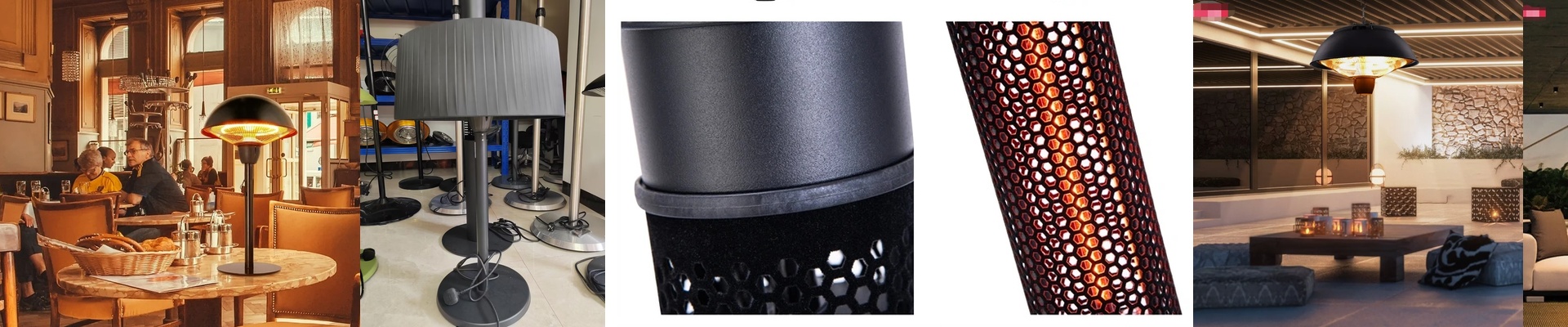
If you’ve ever worked in a high-ceiling factory, you know the struggle. You crank up the heat, but all that warmth just floats straight up to the rafters. Meanwhile, you’re standing on the floor, shivering in your boots. It’s a waste of money and a nightmare for whoever is actually doing the work. That’s why we use infrared (IR) radiators. Instead of trying to warm up all that empty air, these things beam heat directly onto the people and the equipment. It’s like stepping into sunlight on a cold winter day. You feel it instantly.
Making the System “Smart”
Now, adding these to a smart building system isn’t about some fancy tech trend. It’s about your electric bill. Industrial heaters pull a massive amount of power, and leaving them on all night is basically burning cash. By hooking the IR arrays up to a hub—using things like Zigbee or Modbus—you can set up “instant-on” heating. Here’s how it works: IR lamps don’t wait for the air to warm up; they just vibrate the molecules in whatever they hit. You hit a button, the filaments glow, and the floor is warm in seconds. You only heat the zone right when the shift starts. Simple.
The Gear You Actually Need
You can’t just grab a smart plug from the hardware store and plug in an industrial radiator. These units run on 220V or 380V circuits, and they’ll fry a consumer plug instantly. We use heavy-duty relays and dedicated contactors. The smart controller sends a tiny signal, which then tells the big, heavy-duty switch to let the power flow. Plus, you can link this to occupancy sensors. If the shop is empty, the heat stays off. If the temperature dips below 15°C, the system kicks in on its own.
A Few Things to Watch Out For
There is a catch, though. When you flip a massive array of heaters on all at once, it creates a huge spike in current. If your electrical panel is old, you might just pop the main breaker. To stop that from happening, we usually set up a staggered startup. Instead of everything hitting at once, the heaters kick in one by one over a few seconds. It keeps the grid stable and keeps the lights on.