
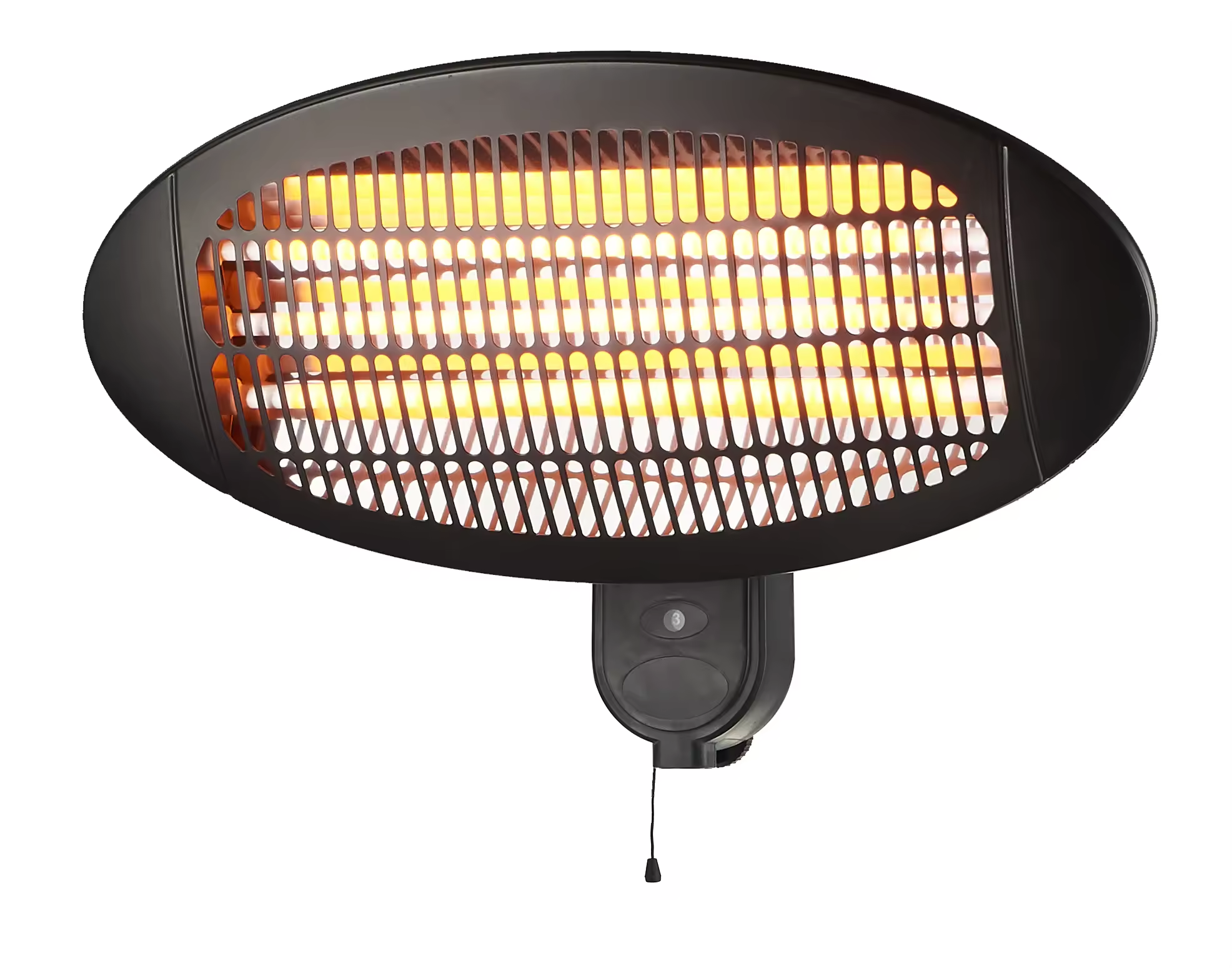
Why we stopped making “disposable” bathroom heaters
Most infrared heaters are built like a black box. Everything is sealed tight. Which sounds great—until a heating element burns out after a few years. Then, you’re stuck. You can’t just fix one little part; you have to throw the whole expensive fixture in the trash and start over. We thought that was pretty ridiculous. So, we changed how we build our bathroom modules.
Swapping parts, not systems
We shifted to a modular setup. Basically, we made it so you can swap out the heating tubes without having to rip the entire chassis apart. If a tube gives up the ghost after five years, you don’t need a full-blown renovation. You just pop the old module out and drop a new one in. It’s that simple. To make this actually work in the real world, we used standardized connectors. No soldering. No messy rewiring. No calling in a specialist to spend three hours in your bathroom. It turns a massive headache into a five-minute job.
The tricky part: Heat
Here’s the thing: high-density infrared tubes get incredibly hot. Making a system modular is great for repairs, but it means we have to be obsessive about the housing. We have to make sure that heat doesn’t soak into the plastic or metal frames. One quick tip:**keep your ventilation gaps clear.**If the housing gets blocked, those modular connectors can overheat, and that’s how you end up frying your wiring terminals. Give the unit some room to breathe.
Thinking about the long haul
We design everything around what we call the “five-year window.” The reality is that infrared filaments eventually thin out and break. It’s just physics. Instead of pretending the heater lasts forever, we treat the heating element like a consumable—kind of like a lightbulb. It makes the whole experience way cheaper over time. You stop paying for a brand-new machine every few years and only pay for the parts that actually wear out. It’s a smaller footprint, less waste, and you always know exactly what your maintenance is going to look like.