


Stop Heating the Air: A Better Way to Dry Semiconductors
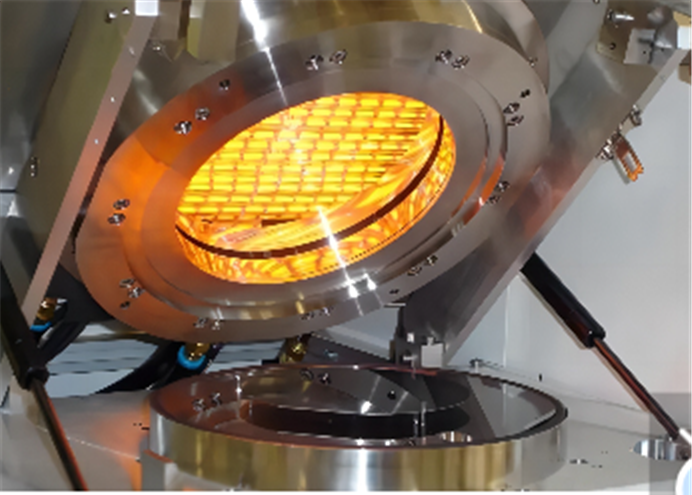
When you’re making semiconductors, getting rid of moisture is non-negotiable. But for a long time, the go-to move was to use these massive convection ovens. The problem? They’re energy hogs. You end up heating the entire chamber—every inch of air—just to dry a tiny part. It’s a waste. That’s why we shifted to digital IR dryer controllers. Instead of warming up the whole room, we use radiant heating to hit exactly what needs drying. How the IR side of things actually works Think of the digital controller as the brain. It uses PID loops or PWM signals to tell the lamps exactly how much power to push. Because the energy goes straight to the wafer or substrate, you stop paying to heat the air around it. It’s a huge win for your energy bill. Plus, these controllers are built for speed. We’re talking about hitting your target temperature in seconds, not minutes. It just feels snappier. The hardware side (and the headaches) We usually pair these controllers with shortwave or medium-wave IR lamps. Now, if you go with high-wattage lamps, your drying cycles get even faster. But there’s a catch. Those lamps pull a lot of juice. You’ve got to make sure your wiring and breakers can actually handle that initial surge of power when the system kicks in. And a quick tip: keep an eye on your cooling. If the area gets too hot, that ambient heat can drift and mess with your sensor readings, which is a pain to troubleshoot. Actually hitting those “Green” goals We all hear a lot about carbon neutrality, but it’s hard to actually do. Switching to digital IR control makes it a lot easier because you’re slashing your kWh consumption. The gear takes up less space and doesn’t pump out nearly as much waste heat. Better yet, the controller tracks your power usage in real-time. When it comes time for a carbon audit, you aren’t guessing—you have the hard numbers right there. You’re basically trading in those old, sluggish thermal heaters for a system that only sips power when the part is actually in the beam. You get the same throughput, but you stop wasting energy. It’s just a smarter way to work.